


 Best Gold Stocks to Buy Now: AABB, GOLD, GDX
  Oil Prices Surge Above $106 After Deadly Saudi Airport Attack
  Oil Prices Fall as Russia Signals Higher Diesel Exports
  Samsung, SK Hynix Shares Plunge as China Chip Competition Grows
  Visa Wins China Approval to Prepare Domestic Payments Expansion
  Oil Prices Mixed as Russia Diesel Deal and Houthi Attacks Raise Supply Concerns
  Nvidia’s China AI Chip Market Share Falls to 34% as Huawei Gains Ground
  Bumble Shares Surge 50% on $1 Billion Buyout Talks
  US Dollar Slips From 18-Month High Ahead of Key Inflation Data
  S&P 500 Rally Masks Losses for Over 40% of Stocks in 2026
  IMF Warns US Debt Crisis Needs Fiscal Action, Urges China to Boost Consumption
  Ripple Mints 19.6 Million RLUSD Amid Banking Expansion


 Add as a preferred source on Google
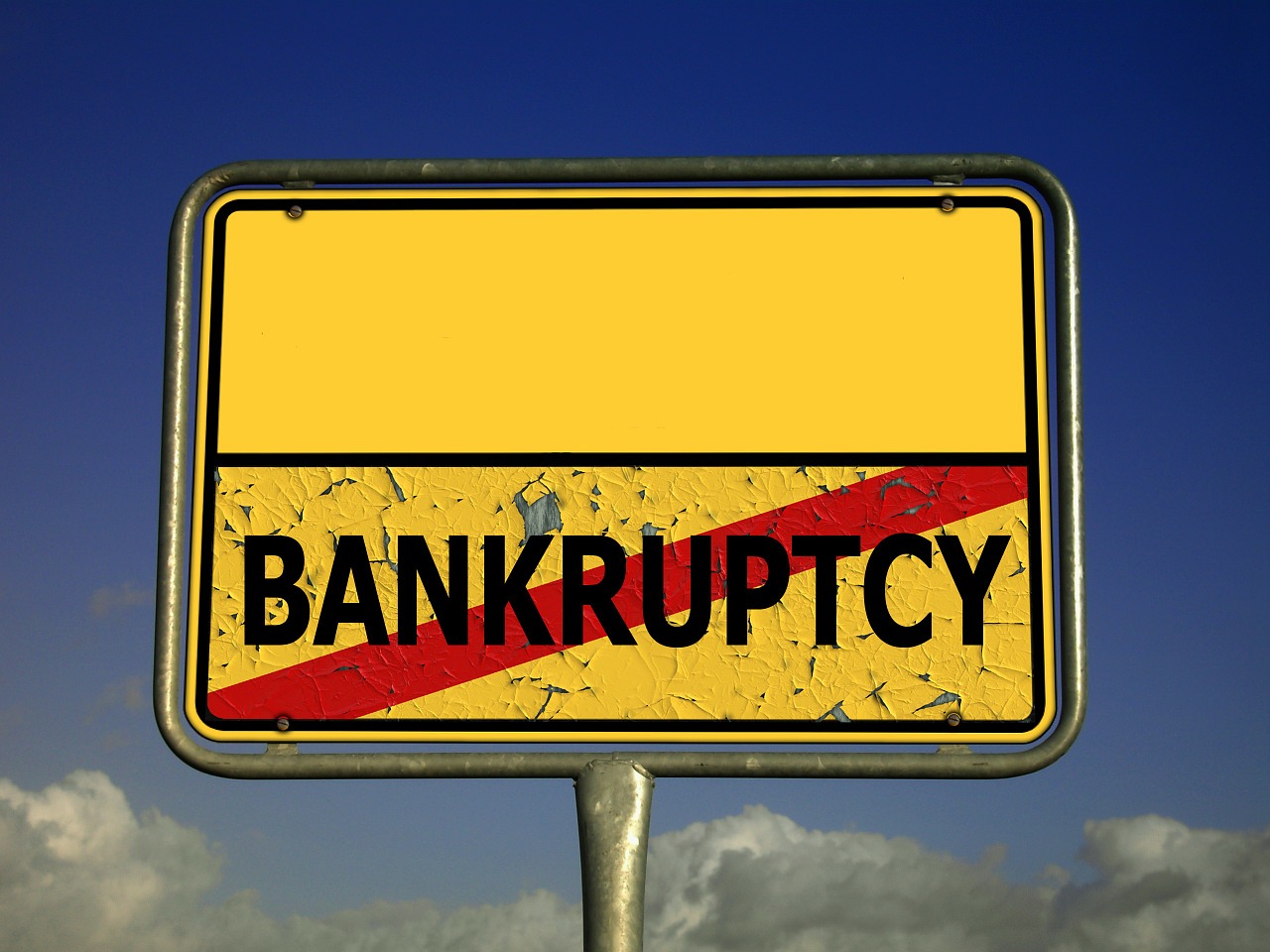
According to credit rating agency Standard & Poor, US default rates edged up sharply in February and has reached highest level since 2009, surpassing the levels seen during the collapse of Lehman Brothers. In February it has jumped to 3.3%, compared to 2.8% in January.
These numbers may not look big but one needs to consider FED's large balance sheet and near zero interest rates, which might be keeping a lid over the numbers. Moreover when conditions deteriorate these numbers could edge up pretty fast. Back in 2007, US corporate default rate was 1.02%, that edged up to 2.96% during Lehman collapse and a staggering 12% in 2009 before FED introduced easing. Standard & Poor is forecasting that default rates will edge closer to 4% by end of 2016.
Latest data shows downgrade is on the rise. In February S&P upgraded only 20 companies while downgrading 110, bringing the ratio to 5.5:1. Spread is also on the rise. Average spreads between CCC or lower corporates and US treasuries have reached more than 20%. This phenomenon is also impacting investment grade bonds, where spread is also on the rise.
US is at a critical juncture, when any adverse shock in the economy such as China hard landing could once again push it to the brink.







