


 SEC Seeks ISS Client Voting Records in Proxy Adviser Probe
  South Korea GDP Surges on Chip and AI Boom
  UK Food Inflation Forecast to Hit 6.4% by Mid-2027
  Guatemala Receives 2,300 Mexicans Deported From US
  Brent Oil Tops $100 as Middle East Conflict Threatens Supply
  Japanese Yen Nears Seven-Month High as Oil Approaches $100
  Texas Republicans Turn Against AI Data Centers as Election Backlash Grows
  Trump Targets 1,000 U.S. Space Launches Annually by 2030
  Gold Prices Rebound as Dollar Weakens, Fed Decision Looms
  US Tightens Cuba Sanctions, Targets Officials and State Entities
  Canada Retaliatory Tariffs on U.S. Goods Take Effect
  Brazil Warns EU of Retaliation Over Animal Products Ban
  Trump Administration Moves to Strip ABA of Law School Accreditor Status
  US Sailor’s Father Detained by Immigration Authorities
  France Targets Shein, Temu With Fast-Fashion Fees
  Google Changes EU Spam Policy Amid Antitrust Scrutiny


 Add as a preferred source on Google
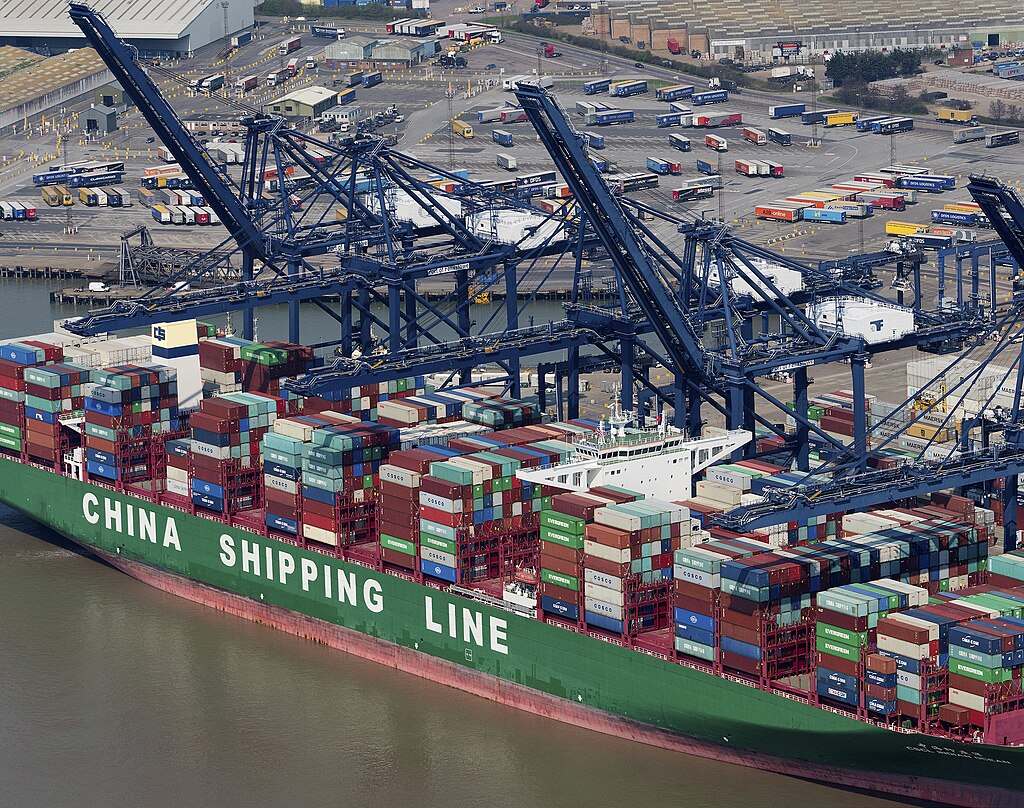
China announced on Sunday steep anti-dumping tariffs—up to 74.9%—on imports of POM (polyoxymethylene) copolymers from the U.S., European Union, Japan, and Taiwan. The decision follows a year-long investigation by China’s Ministry of Commerce, launched in May 2024 after the U.S. raised tariffs on Chinese EVs, semiconductors, and other tech goods.
POM copolymers are high-performance engineering plastics used as metal substitutes in auto parts, electronics, and medical devices. The ministry stated that dumping practices had materially harmed domestic producers. Preliminary duties were first applied in January 2025 through security deposits.
Under the final ruling, U.S. imports face the steepest duties at 74.9%, while EU exports are hit with 34.5%. Japanese imports receive a 35.5% tariff, with the exception of Asahi Kasei Corp, which will be subject to a lower 24.5% rate. Taiwan faces general duties of 32.6%, though Formosa Plastics and Polyplastics Taiwan receive reduced rates of 4% and 3.8%, respectively.
The move comes amid signs of potential easing in U.S.-China trade tensions. On Monday, both nations announced a 90-day truce involving reciprocal tariff reductions, signaling a temporary thaw in the prolonged trade conflict. Chinese state media outlet Global Times has called for extending the agreement to solidify progress.
Meanwhile, at the Asia-Pacific Economic Cooperation (APEC) meeting in South Korea, member nations warned of "fundamental challenges" to the global trade system. The imposition of these anti-dumping duties underscores persistent trade friction despite broader diplomatic overtures.
The new tariffs on POM copolymers may impact global supply chains, particularly for industries reliant on high-grade plastic components. As trade relations continue to evolve, businesses will closely watch how such policy shifts influence material costs and sourcing strategies.







