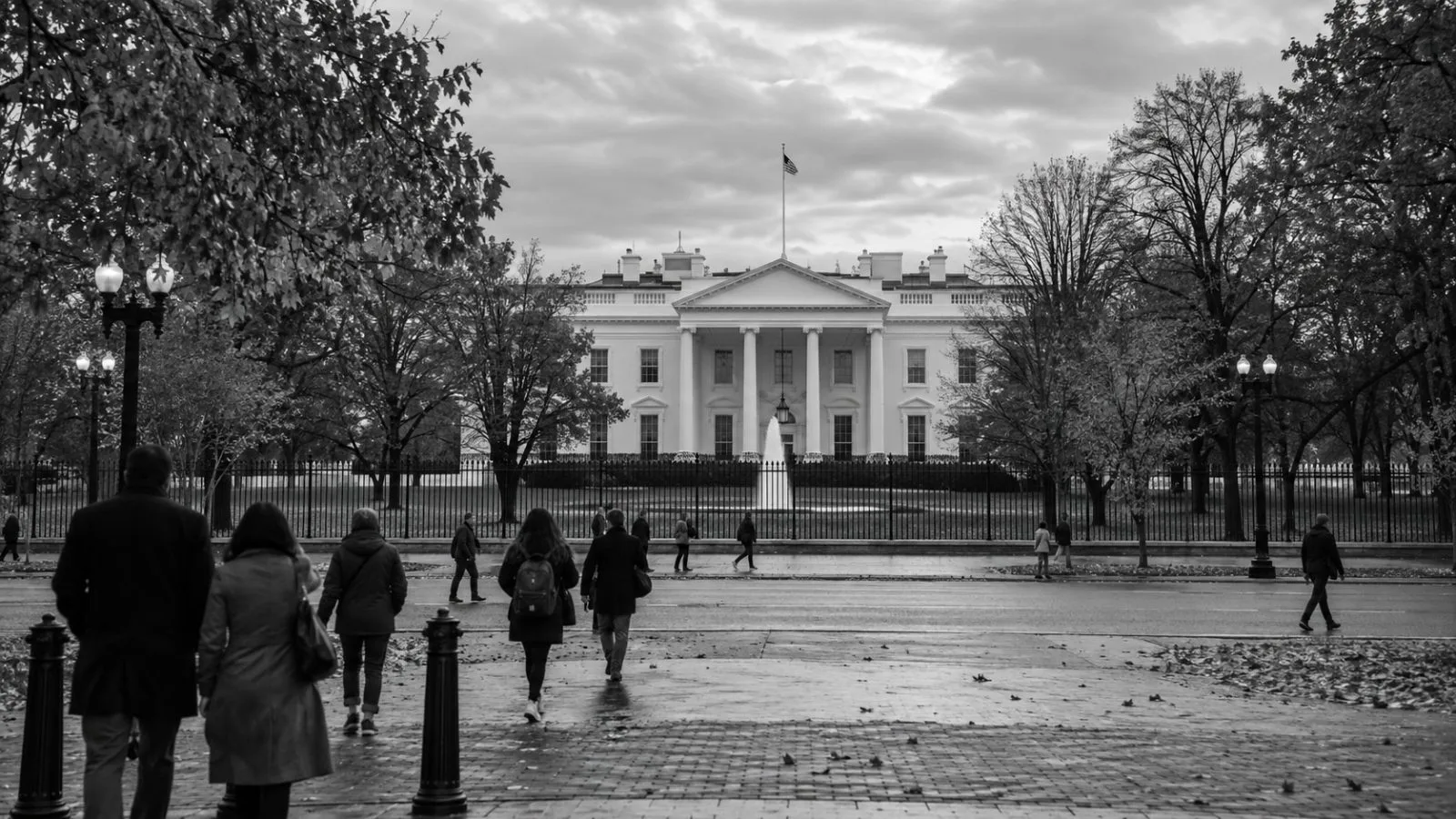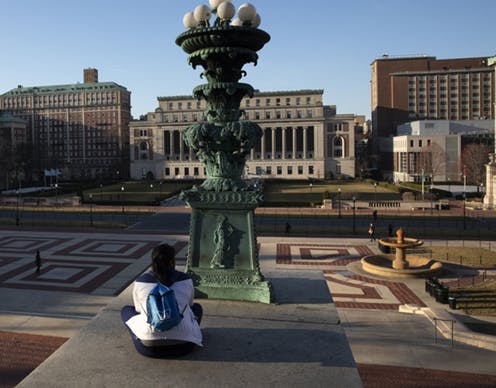
Columbia University has agreed to a series of demands from the Trump administration to begin negotiations on restoring federal funding suspended over claims the school tolerated antisemitism. The Ivy League university’s concessions, outlined in a 4,000-word statement by interim president Katrina Armstrong, include overhauling its disciplinary procedures, hiring campus peace officers with arrest powers, and appointing a senior official to review departments related to Middle Eastern studies.
The administration had pulled millions in grants, citing antisemitic incidents linked to campus protests over the Israel-Gaza war. The funding halt disrupted vital research projects, including those involving AI in nursing and women’s health.
One major point of contention was Columbia’s Middle Eastern, South Asian, and African Studies (MESAAS) department. While the Trump administration called for academic receivership—stripping faculty control—Columbia instead promised oversight by a new administrator to ensure academic balance across departments like the Middle East Institute and Center for Palestine Studies, as well as global hubs in Tel Aviv and Amman.
Critics say the agreement sets a troubling precedent. Historians and faculty unions likened it to the McCarthy era, accusing the government of using financial leverage to suppress academic freedom. Student leaders also voiced frustration over the university’s failure to consult students and faculty before complying.
Columbia stated that many of the administration’s demands—like protest rules and mask policies—were already being enforced. It noted that 36 peace officers were undergoing certification under New York law.
The White House has not responded to Columbia’s statement. With over 60 universities warned of similar actions, the outcome at Columbia is being closely watched across academia as a potential blueprint for federal intervention in higher education governance.