


 Iraq Seeks 6 Million Bpd OPEC+ Oil Quota
  Countries Tighten Social Media Bans for Children
  Trump Administration Pauses Visa Appointments Worldwide
  Asian Currencies Mixed as Yen Rallies on BOJ Bets
  US Stock Futures Mixed as Strong Jobs Data Boosts Fed Rate Hike Bets
  Japan GDP Growth Beats Forecast, Boosting BOJ Rate Hike Bets
  Trump’s ‘New America’ Proposal Draws Backlash in New Mexico
  US Judge Dismisses Imran Ahmed Deportation Lawsuit
  Google Changes EU Spam Policy Amid Antitrust Scrutiny
  UK House Prices Fall for First Time Since 2023
  FDA Names Permanent Drug and Biologics Center Chiefs
  Trump Administration Removes Confederate Memorial Criticism From Arlington Website
  U.S. Probes Apex Logistics Over Nvidia AI Chip Shipments to China
  Iran Vows Tougher Response as U.S. Sanctions Squeeze Economy
  US Resumes Immigrant Visa Processing for Hungary, Poland
  China Boosts Gold Reserves by 650,000 Ounces as Prices Rally
  China Exports Surge 25% in August as Trade Surplus Hits $119 Billion


 Add as a preferred source on Google
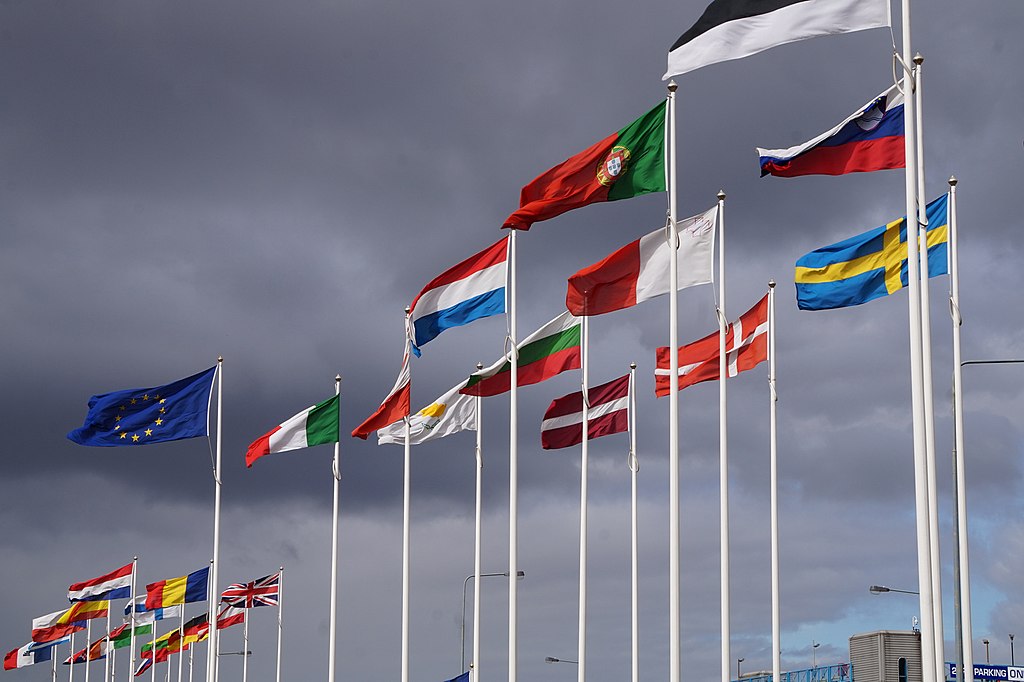
The European Union has condemned President Donald Trump’s decision to double tariffs on imported steel and aluminum, warning of swift countermeasures that could escalate global trade tensions. Announced Friday near Pittsburgh, Trump raised existing steel and aluminum tariffs from 25% to 50%, aiming to protect U.S. industry and bolster a $14.9 billion Nippon Steel–U.S. Steel deal.
The European Commission responded sharply, calling the move a threat to transatlantic economic stability and global supply chains. “This decision adds further uncertainty to the global economy and increases costs for consumers and businesses on both sides of the Atlantic,” a spokesperson said. The EU is finalizing consultations on expanded retaliatory tariffs, set to take effect by July 14 unless a negotiated solution is reached.
The U.S., the world’s largest steel importer in 2024 with 26.2 million tons (excluding the EU), is likely to see broad price increases across sectors due to the tariff hike. Trump’s decision follows earlier trade tensions with China over critical minerals and marks a renewed push for protectionist policies in his second term.
The reaction from global trade partners was swift. Canada’s Chamber of Commerce criticized the tariffs as a threat to North American economic security, while Canada’s United Steelworkers called it a direct attack on its workers. Australia’s Trade Minister labeled the move “unjustified and not the act of a friend.”
The new U.S. tariffs on steel and aluminum products are scheduled to take effect Wednesday, intensifying pressure on global metal producers and risking further trade retaliation.







