


 New Zealand Labour Backs Social Media Ban for Under-16s
  Huawei Launches Mate XT2 Foldable Phone in China
  Novo Nordisk Eyes Turnaround as Oral Wegovy Challenges Eli Lilly in Weight-Loss Drug Race
  Guatemala Receives 2,300 Mexicans Deported From US
  Should I take zinc or eat oysters to ward off colds, boost my immune system or improve fertility?
  South Korea, US Discuss Chip Investments Amid Tariff Plans
  SEC Seeks ISS Client Voting Records in Proxy Adviser Probe
  Nvidia Eyes $2.5 Billion Investment in Thinking Machines Lab
  OpenAI Launches GPT-6 Astra With Advanced AI Agent Capabilities
  Nvidia Pauses AI Cloud Financing Deals Amid Antitrust Concerns
  Apple’s Phil Schiller Steps Back as Leadership Shake-Up Accelerates
  U.S. Issues Cuba Health Alert as Illnesses Rise
  MediaTek Shares Jump 10% on Nvidia’s $3.5 Billion Investment
  US Sailor’s Father Detained by Immigration Authorities
  Alcohol is one of the most dangerous drugs, yet its presence is ubiquitous in social settings and celebrations
  Adobe Names Anil Chakravarthy CEO as AI Push Accelerates
  GLP-1 Weight-Loss Drug Use Surges Among U.S. Children


 Add as a preferred source on Google
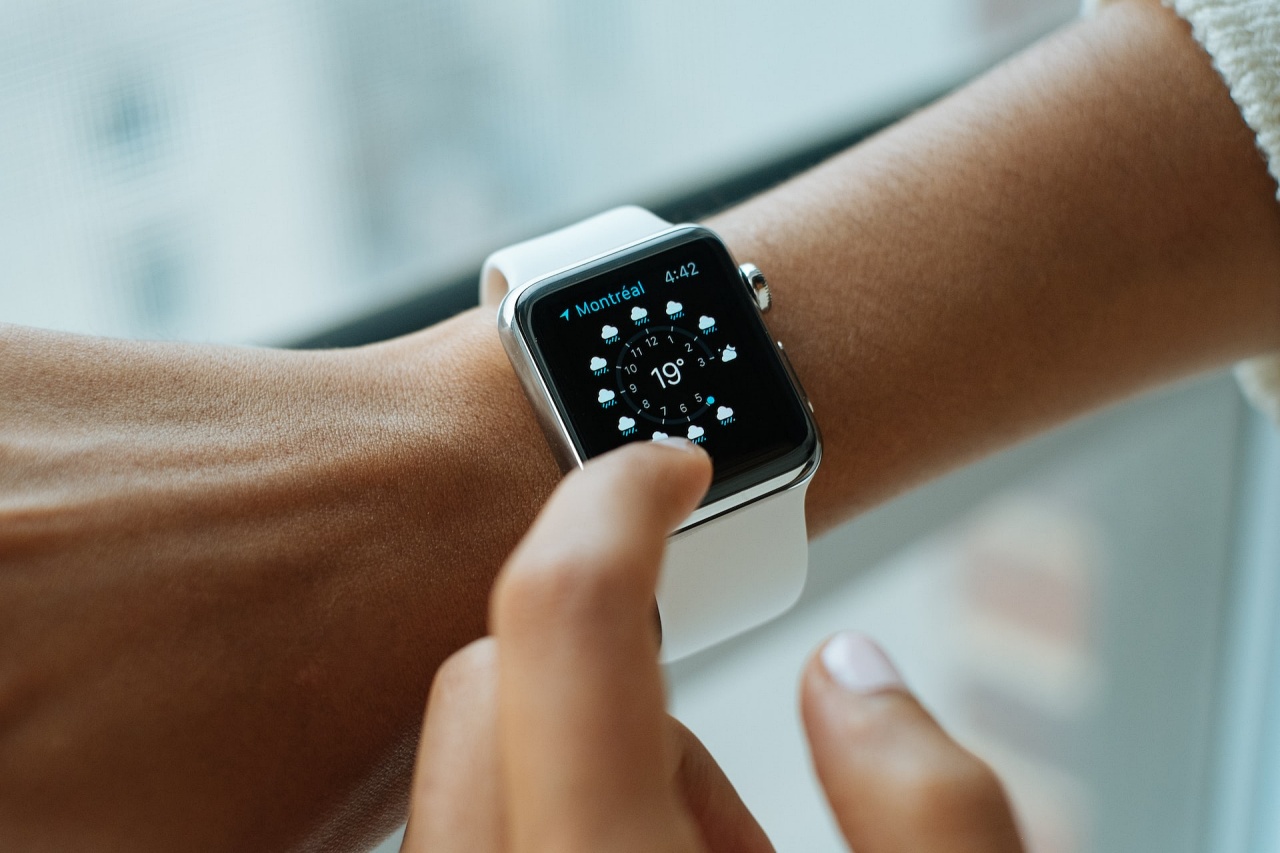
Apple has received clearance from the U.S. Food and Drug Administration (FDA) to launch a hypertension detection feature on select Apple Watch models. The health regulator confirmed the approval late Friday, giving Apple the green light to expand its smartwatch health capabilities.
The new feature, powered by the optical heart sensor, was introduced alongside the latest Apple Watch and iPhone lineup during Apple’s September 9 event. It will be available on Apple Watch Series 9, Series 10, Series 11, and the premium Ultra 2 and Ultra 3 models. Apple plans to roll out the feature globally across 150 countries and regions, including the U.S. and EU, before the end of September.
Using advanced algorithms, the smartwatch will passively monitor blood vessel responses to heartbeats over 30-day cycles. If consistent signs of hypertension are detected, users will receive a notification. While Apple notes the tool may not catch every case of high blood pressure, it is expected to alert nearly one million people who may be at risk.
This move underscores Apple’s ongoing push into digital health technology. With hypertension affecting millions worldwide and often going undetected, the new feature could help users identify early warning signs and seek medical advice.
The approval comes as Apple intensifies competition in the wearable health tech market, where rivals like Samsung and Fitbit are also introducing advanced health-tracking tools. According to Bloomberg, Apple could begin rolling out the hypertension detection feature as early as next week.
By integrating FDA-approved hypertension monitoring directly into its popular smartwatch, Apple strengthens its positioning as both a tech innovator and a health partner, providing users with actionable insights to support long-term wellness.







