India’s economy is expected to have expanded by around 7.3% in the July–September quarter, according to a Reuters poll of economists, driven largely by stronger rural demand and solid government expenditure. While household consumption—responsible for nearly 60% of the nation’s GDP—picked up thanks to improved agricultural output, the broader growth picture remains uneven as urban demand and private investment continue to lag.
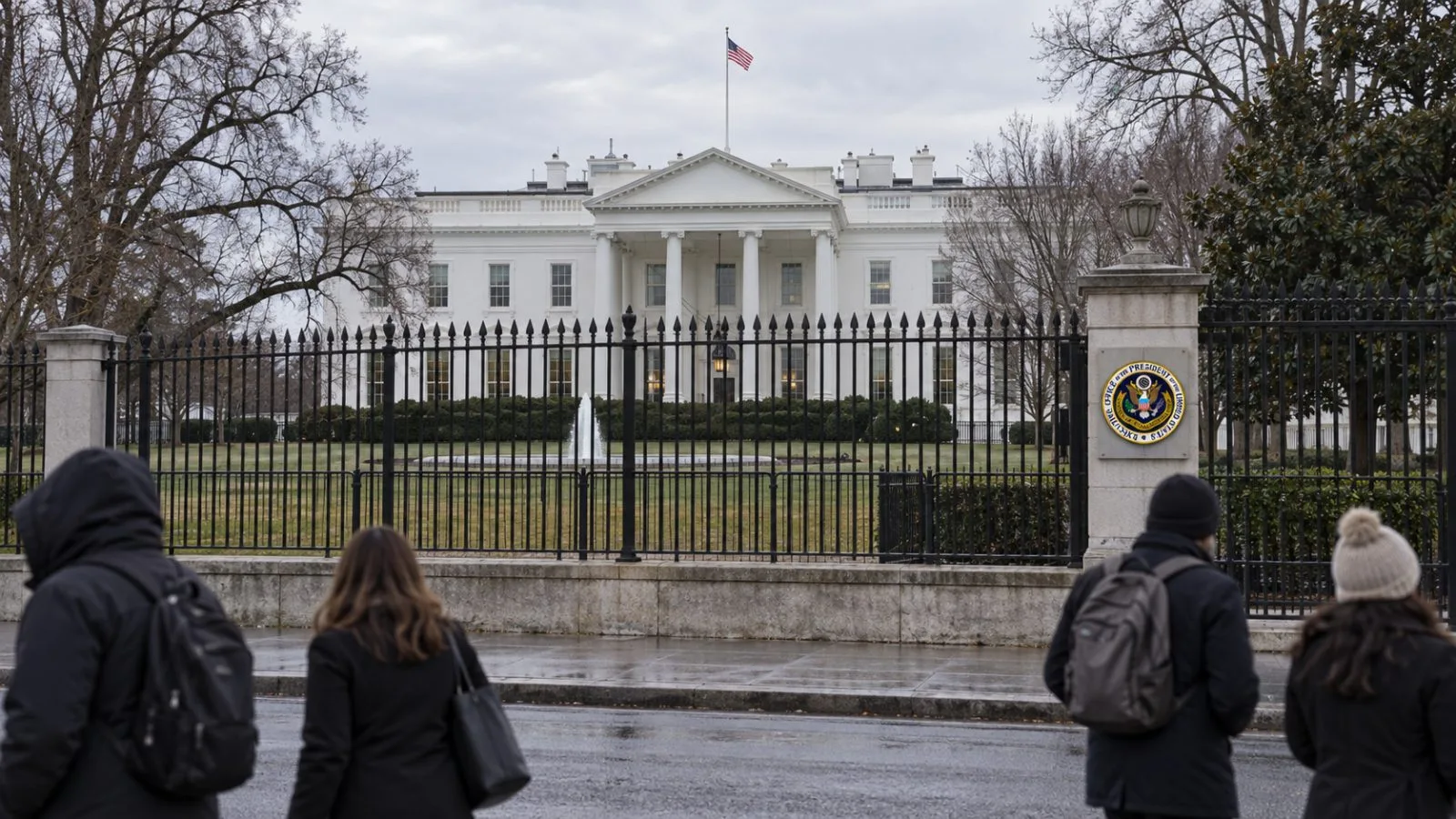
Economists note that increased government spending, a primary growth engine in recent years, likely continued to support activity through the quarter. This resilience comes even as global conditions toughened, including U.S. President Donald Trump’s tariff hike to 50% on Indian goods, which has contributed to a net outflow of $16 billion in foreign equity investments so far this year.
Despite India remaining one of the world’s fastest-growing major economies, analysts caution that part of the robust growth reading may be inflated by a very low GDP deflator, the indicator that adjusts nominal data for inflation. With wholesale prices nearly flat and consumer inflation averaging only about 2% in the period, real GDP figures appeared stronger even though nominal GDP growth likely eased to 8.3% from the previous quarter’s 8.8%.
Deutsche Bank’s Kaushik Das noted that private consumption and central government capital expenditure remain the primary drivers, while private sector capex is slowing amid global uncertainty. Looking ahead, economists expect growth to moderate to 6.8% next quarter and 6.3% by March 2026, reflecting a cooling trajectory.
Recent GST cuts implemented on September 22 may provide some boost to demand, yet analysts warn the impact could be limited. With households already burdened by high debt levels, much of the potential savings may not convert into spending. Still, soft inflation forecasts suggest that the statistical uplift from a low deflator could persist through the rest of the fiscal year, offering temporary support to real GDP readings.