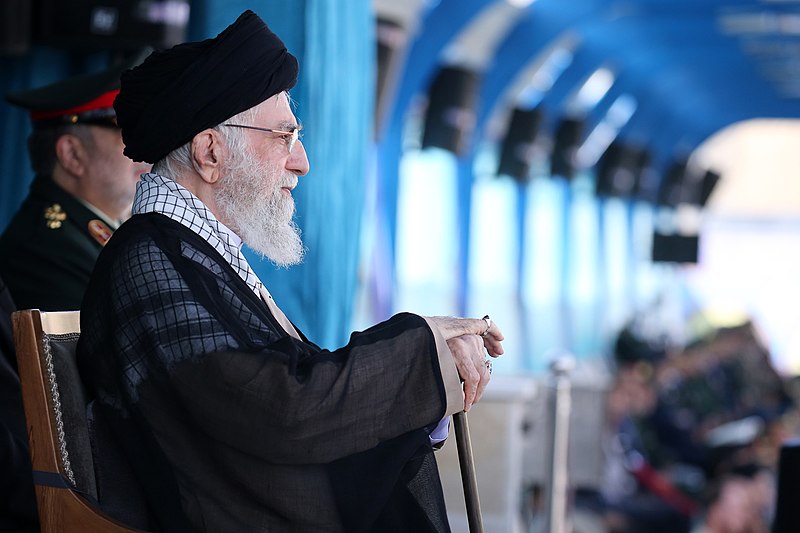
Protests calling for the fall of Iran’s clerical regime continue to this day despite crackdowns from security forces on the demonstrations. A top Iranian army commander warned that should Supreme Leader Ali Khamenei order a harsher crackdown, those deemed “rioters” have no place in the country.
According to Iran’s semi-official Mehr news outlet, the country’s Army Ground Forces Commander Kiumars Heydari warned Wednesday of what may happen to “rioters” in case Tehran ordered a tougher crackdown on the protests. Heydari said that the rioters would have no place in the country.
“Should he decide to deal with them, rioters will no longer have a place in the country,” said Heydari.
Protests in the country have been taking place since September following the death of Mahsa Amini, who died while in the custody of the country’s morality police for allegedly flouting the strict dress code imposed on the women. Amini’s death sparked public outrage, with women and students leading the demonstrations in the biggest show of opposition since the 1979 Revolution.
The protests have also brought on additional scrutiny to Iran’s clerical rulers, with several countries announcing sanctions on Tehran. Tehran has sought to blame the United States and Israel for the unrest, accusing its adversaries of trying to destabilize the country.
Dozens of demonstrators have been killed in the demonstrations, along with a number of security forces. Authorities have indicted 1,000 people that participated in the unrest.
Heydari’s comments come 40 days after a clash in the Sunni town of Zahedan, which has turned into a flashpoint for the escalated demonstrations. Rights organization Amnesty International said 66 people were killed by security forces in Zahedan on September 30, while authorities in Zahedan fired its police chief and the head of the police station near the place where the killings happened.
Some of the worst unrest has taken place in areas that are home to minority ethnic groups that have long-standing issues against the Islamic Republic.
Previous protests in Iran were usually focused on election results and economic hardships. The current demonstrations appear focused on changing the country’s political order.