


 US Senate Midterms 2026: Key Races That Could Flip Control
  Flavio Bolsonaro Backs Brazil’s 40-Hour Workweek Reform Ahead of Runoff
  Zelenskiy Says Ukraine Received No Warning Before Russian Missile Attack
  US Condemns China Sanctions on Taiwan Allies Belize and Paraguay
  European Auto Stocks Rise as EU-China Trade Deal Targets Hybrid Imports
  India Voter List Protests Reach Supreme Court as Opposition Demands Election Chief's Resignation
  North Korea Fires Ballistic Missiles Amid Rising Tensions With South Korea
  US Supreme Court Denies Release of Anti-ICE Activist Kyle Wagner
  Most Americans Oppose Election Betting on Prediction Markets, Poll Finds
  Elon Musk Donates $366 Million to 2026 US Midterms
  Trump Plans White House Shake-Up of Key AI Safety Agency
  Trump Sanctions International Criminal Court, Sparking EU Backlash
  Trump Denies China, Russia Are Helping Iran in War
  US Authorities Raid Ilhan Omar’s Home Amid Immigration Fraud Probe
  Pakistan Declares Emergency in Khyber Pakhtunkhwa, Suspends Imran Khan’s PTI Government
  Panama Declares Emergency After 7.7 Earthquake Triggers 200 Aftershocks


 Add as a preferred source on Google
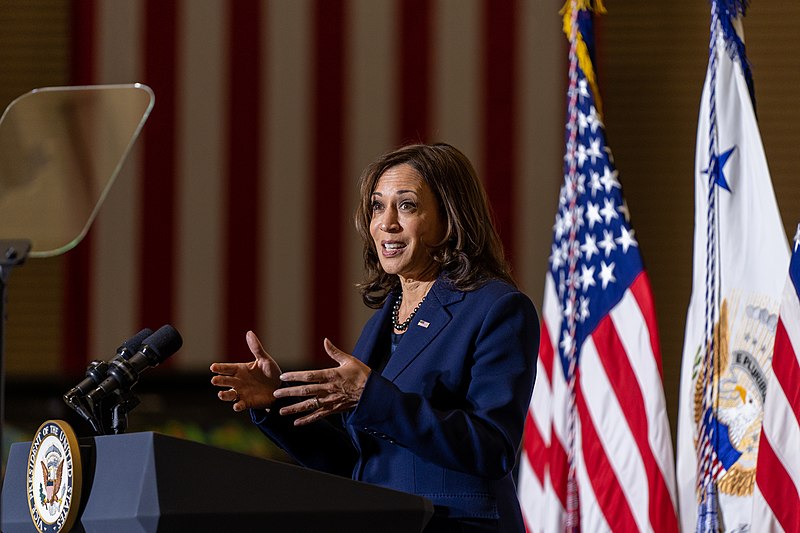
US Vice President Kamala Harris this week addressed maternal health in the country. In a recent White House event, Harris also introduced a plan to lower the US maternal mortality rate.
At the White House Maternal Health event, Harris unveiled the administration’s plan to tackle the high maternal mortality rate. The plan includes improvements to pregnancy and postpartum care.
“Maternal mortality and morbidity is a serious crisis and one that endangers both public health and economic growth,” said Harris at the event.
The plan would call for states to expand the postpartum coverage under Medicaid from two to 12 months, as well as assigning “birth-friendly” hospitals. Today, the Centers for Medicare and Medicaid Services have updated its guidelines for state Medicaid programs in order to expand coverage and begin the process of choosing the best health centers for mothers to receive maternal care.
Harris said during the event that a group made up of 20 companies and nonprofits have pledged $20 million for improving maternal health in the US and $150 million worldwide.
The US maternal mortality rates are high compared to other developed countries, especially in recent years, twice the number in France, Canada, and the United Kingdom. Black and Native American women are also more likely to die from pregnancy-related causes compared to White women. Maternal health is also part of the Biden administration’s Build Back Better Act, with a $3 billion investment in maternal health initiatives.
This follows US President Joe Biden’s signing into law the Protecting Moms Who Served Act, providing $15 million for childbirth preparation classes, parenting classes, and breastfeeding support for veterans.
In other related news, Harris cast the tie-breaking vote in confirming another Biden nominee for judiciary posts. Rachael Rollins was confirmed by the Senate this week, making her the first Black woman to become the US attorney for Massachusetts. Rollins’ confirmation was done through party lines, making it the first time a Biden-nominated candidate for a position was not confirmed unanimously.
Rollins, a progressive prosecutor in Boston, was long-awaited to be confirmed due to several delays and opposition from Senate Republicans.







