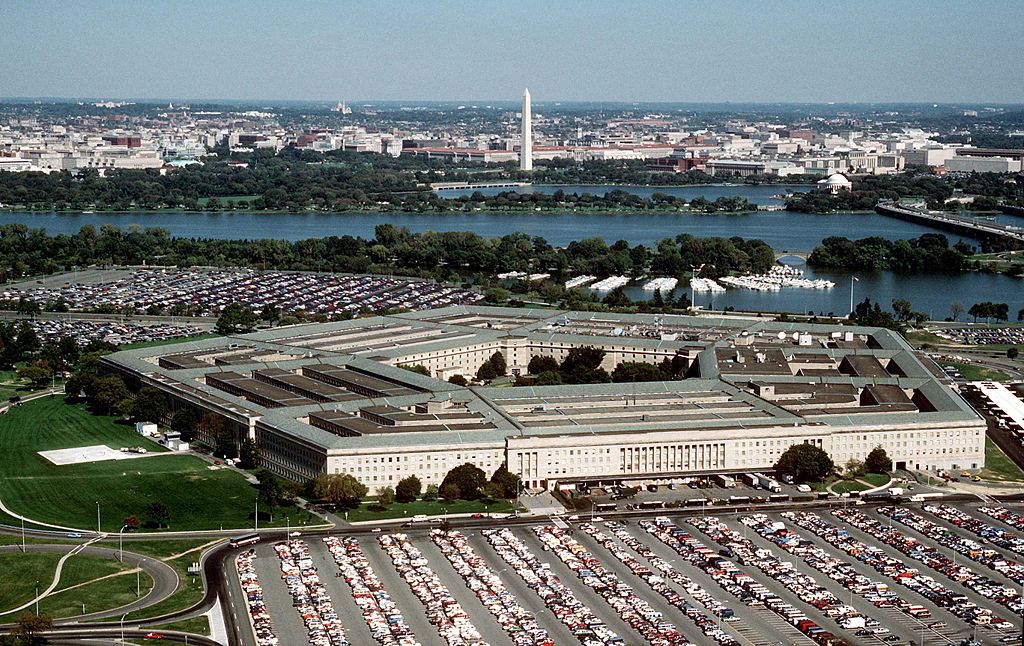
More than 30 leading news organizations, including Reuters, The Associated Press, Bloomberg, The New York Times, and CNN, have refused to sign a new Pentagon access policy they say threatens press freedom and transparency. The policy, which sets a Tuesday deadline for compliance, requires journalists to acknowledge rules that could see them labeled as “security risks” and lose their Pentagon credentials if they seek information deemed sensitive or classified.
Pentagon spokesperson Sean Parnell defended the policy, saying it simply requires acknowledgment, not agreement. However, major outlets argue the policy undermines the First Amendment and press independence. “It restricts how journalists can report on a military funded by nearly $1 trillion in taxpayer money,” said The New York Times’ Washington Bureau Chief Richard Stevenson. Reuters echoed the sentiment, emphasizing its commitment to impartial reporting and constitutional press protections.
Under Defense Secretary Pete Hegseth—who has proposed renaming the Pentagon the “Department of War”—the policy marks a significant tightening of media access. Hegseth, a former Fox News host, described the rules as “common sense,” claiming they safeguard national security. President Donald Trump backed Hegseth, criticizing the press as “disruptive.”
While most major outlets rejected the agreement, One America News (OAN) confirmed it had signed after legal review. The Pentagon Press Association, representing more than 100 news organizations, urged reconsideration, warning the policy “gags Pentagon employees” and could enable retaliation against journalists.
Critics say the new rules could make it easier to prosecute reporters under the Espionage Act for soliciting information. Despite revisions acknowledging that publication of sensitive material is generally protected, the Pentagon maintains that journalists’ rights “do not override” national security concerns—raising alarm over future transparency in U.S. military reporting.