


 Trump Says Iran War Could End Soon After Midterms
  Bosnia Election Puts EU Bid and Foreign Influence in Focus
  India-US Trade Deal Talks Hit Plateau, Sitharaman Says
  G20 Divided Over US Push to Curb Industrial Overcapacity
  Flavio Bolsonaro, Lula Head to Brazil Presidential Runoff
  Xi Rest Breaks Cut Trump Summit Schedule, WSJ Reports
  Takaichi Pledges to Control Japan Bond Issuance
  Paraguay Opposition Wins Key Mayor Races in Blow to Colorado Party
  US Waives Egypt Military Aid Conditions Over Iran War Role
  Flydubai FZ1073 Co-Pilot Accused of Terror Attack
  California Woman Arrested Over Alleged Spying on Taiwan President’s Son
  Iran Plans Stronger Response if US Attacks Resume
  Ukraine Faces $56 Billion Budget Gap as War Costs Soar
  Ukraine to Intensify Strikes on Russian Oil Refineries
  OPEC+ Keeps November Oil Output Targets Steady
  Tsai Ing-wen to Visit US for Stanford Security Conference


 Add as a preferred source on Google
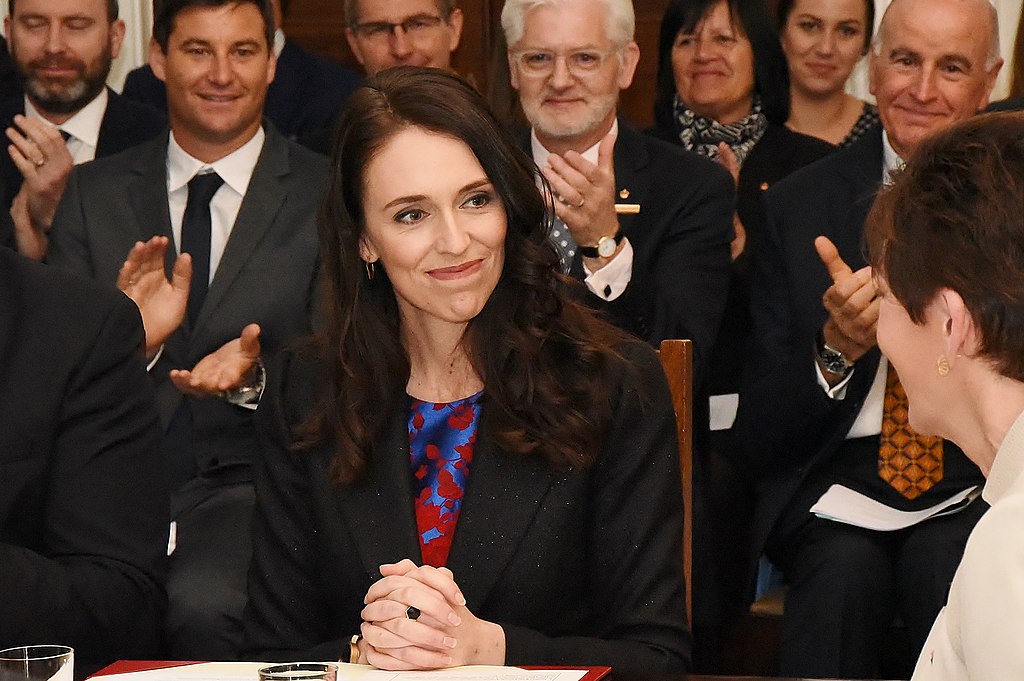





Labour is celebrating a landslide victory tonight after winning 49% of the vote. The result means Labour could govern alone — the first time this has happened since New Zealand introduced a mixed member proportional (MMP) electoral system in 1993.
In her victory speech, Prime Minister Jacinda Ardern said the result gave Labour “the mandate to accelerate our [COVID-19] response and our recovery, and tomorrow we start”.
In the new parliament, Labour will have 64 seats, while National has 35, the Green Party ten, ACT ten and the Māori Party is expected to return to parliament with one seat.
The numbers are a reversal of the 2017 results, when Labour polled 36.9%, National had 44.4% of the vote and New Zealand First leader Winston Peters became the kingmaker.
New Zealanders had to wait almost a month before Peters announced he would form a coalition with the Labour Party, becoming deputy prime minister. The Green Party joined the coalition in a confidence and supply arrangement.
In this election, NZ First was ousted from parliament, after the party failed to reach the 5% threshold and neither of its candidates managed to win an electorate seat.
Compared to previous elections, record numbers of New Zealanders voted early in 2020. A day before the election, more than 1.7 million people had already cast their vote, representing more than 60% of the total number of votes cast in the 2017 general election.
Voters also voted on two referendums: whether the End of Life Choice Act 2019 should come into force and whether the recreational use of cannabis should become legal.
Referendum votes will be counted after election day and preliminary results will be released on October 30. We’ll cover the outcomes then.
2017 election results
In 2017, the National Party won 44.4% of the votes and on election night, then prime minister Bill English celebrated victory.
But NZ First won 7.5% and held the balance of power. It was the third time for NZ First leader Winston Peters to become the veto player in the government-formation process.
After almost four weeks of negotiations, he opted to go into coalition with Labour, with the Green Party in a confidence and supply role. For the first time under New Zealand’s MMP electoral system, the new government was not led by the party that had won the largest number of seats.
Jacinda Ardern became prime minister in an extraordinary period in New Zealand’s political history. Just three months earlier, Ardern had been the deputy leader of a Labour Party polling in minor party territory.







