


 US-Taiwan Ties Remain Strong as Taipei Urges Timely Arms Deliveries
  Trump Says He Deserves 2026 Nobel Peace Prize Despite Uncertain Chances
  Saudi Arabia Probes Flydubai Cockpit Attack
  US Pressures Allies to Distance From Anti-Disinformation Conference
  Houthis Strike Aden Airport as Yemen Fighting Escalates
  Trump Backs Florida Golf Course as Presidential Retreat
  Russia Targets Danish Ukraine Suppliers in Sabotage Campaign
  France to Release 10 Million Barrels of Diesel to Ease Fuel Prices
  Maduro, Wife May Face New US Torture Charges
  US-Led Coalition Targets Global Factory Overcapacity
  Mexico Bars Dual Citizens From Presidential Races Starting in 2028
  Pentagon Orders Iran Strike Preparations as Trump Weighs Military Action
  JD Vance Says Iran Must Cut Nuclear Enrichment to End War
  Merz Warns of Extremism After AfD Gains Power in Saxony-Anhalt
  Lula Weighs Alckmin as Finance Minister to Boost Fiscal Credibility
  US, Greece Launch New Counterterrorism Security Program
  North Korea Slams US Taiwan Arms Sales, Reaffirms Russia Support


 Add as a preferred source on Google
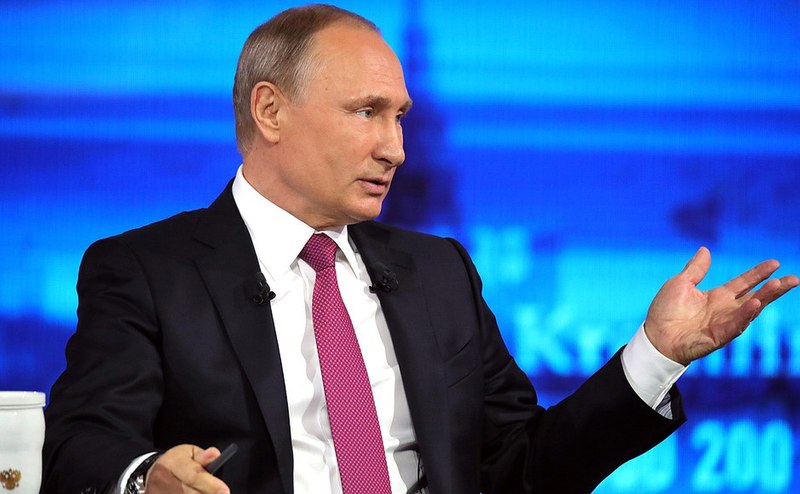
With Russian troops remaining at the borders with Ukraine, NATO countries, including the US, have been warning that sanctions would be placed should an invasion occur. An analyst has suggested that Russian President Vladimir Putin will face serious backlash should he direct the troops to go on the offensive against Ukraine.
Speaking on GB News, Chatham House associate fellow Samantha De Bendern warned that there is a lot at stake for the Russian leader, especially as the UK government would be targeting Russian oligarchs in possible sanctions on their assets in the country. This comes as UK Prime Minister Boris Johnson is also set to travel to Kyiv this week to speak with Ukrainian President Volodymyr Zelensky in a show of support.
De Bendern added that some of the Russian oligarchs may decide to turn on Putin if he decides to target Ukraine as they may have ties to Ukraine and will not forgive the Russian leader for making such a decision.
“An invasion is avoidable. This morning I just read that the Russians have given original response to the Americans’ written proposals,” said De Bendern. “So the plan is continuing. That’s a good sign.”
“And you have to remember that Putin has a lot to lose and I think that the plans Liz Truss unveiled to say that Russian oligarchs in Putin’s close circle will be targeted have shown a very, very, strong resolve to explain to Putin that the consequences for him personally could be rather dramatic,” De Bendern explained. De Bendern also noted that not all the Russian oligarchs are supportive of Putin.
Truss, the UK’s Foreign Secretary, warned that sanctions would be imposed on Russia in case it invades Ukraine.
While Russia has denied planning an invasion on Ukraine, there are still thousands of troops stationed at the borders, leading to concerns of a possible invasion. Russia has also since accused the West of provocation, and recently, Putin accused the US and its allies of using Ukraine as a tool to contain Russia.
Putin accused the US and its allies of not taking Russia’s security concerns seriously. However, the Russian leader said he hoped that both parties would still be able to negotiate towards a solution in the midst of the ongoing tensions.







