


 Zelenskiy Slams US-Russia Diesel Deal as Funding War
  Trump Cancels Alabama Football Trip as Hurricane Isaias Approaches
  Venezuela’s Machado Calls for Elections by July 2027
  Pakistan Declares Emergency in Khyber Pakhtunkhwa, Suspends Imran Khan’s PTI Government
  Ripple Chairman Chris Larsen Donates $22.5 Million Ahead of US Midterms
  Trump Announces Russia-Ukraine Energy Ceasefire as Zelenskiy Awaits Details
  Flydubai Co-Pilot Planned Suicide Attack on Israel Airport, UAE Says
  Trump Announces Russia-Ukraine Energy Ceasefire Amid U.S. Pressure on Kyiv
  US Judge Blocks Trump Administration’s Taxpayer-Funded Political Ads
  Trump Calls for Zelenskyy Replacement Amid Russian Diesel Deal
  RFK Jr. Launches Nationwide Vaccine Safety Review
  Russian Strikes Kill Six in Ukraine, Including Three in Kharkiv
  Trump Secures Russian Diesel Deal as US Fuel Prices Surge
  Houthis Warn Saudi Airports After Deadly Riyadh Attack
  Trump Sanctions International Criminal Court, Sparking EU Backlash
  Trump Buys Up to $25M in Meta Stock, Invests in SpaceX Debt
  North Korea Fires Ballistic Missiles as Tensions With South Korea Escalate


 Add as a preferred source on Google
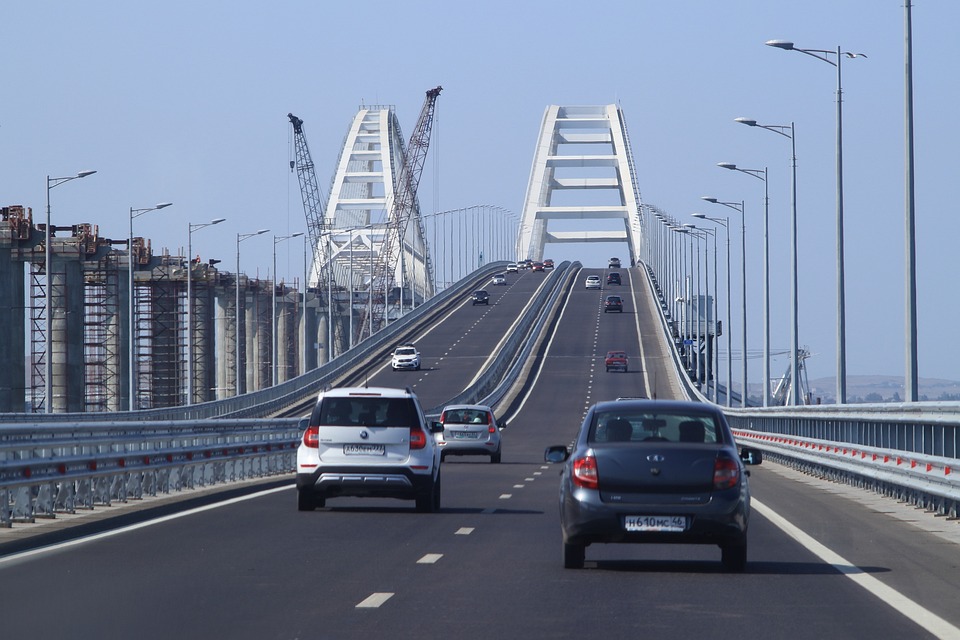
The road and rail bridge that connected the Russian-annexed Crimea to Russia was partially bombed over the weekend. Hours after the explosion, traffic appeared to resume, with Russian officials saying that an investigation was launched into the matter.
The 19-kilometer Kerch bridge was struck by a bomb on Saturday, killing three people and setting fire to three oil tankers, and collapsing two car lanes, according to Russian investigators. The bridge was a symbol of Russia’s annexation of Crimea and was opened by Vladimir Putin in 2018. The bridge also serves as a key supply route for Russian forces on the ground in Ukraine.
On the same day, Putin signed a decree for stronger security for the bridge and infrastructure supplying electricity and natural gas to Crimea. Putin also called for an investigation into the partial explosion. The blast also came a day after the Russian dictator celebrated his 70th birthday.
While the explosion was celebrated by Ukrainians, Ukrainian President Volodymyr Zelenskyy did not reference the bridge during his nightly address at the time, and no officials claimed responsibility.
Russian deputy prime minister Marat Khusnullin told reporters that traffic was restored on the bridge railway, according to state news outlet Ria Novosti, but did not specify when operations resumed. Khusnullin confirmed that the resumption of operations on the bridge was for “both freight and passenger traffic” in an earlier post on the Telegram messaging platform.
During Zelenskyy’s address, the Ukrainian leader talked about a “sunny” future for Ukrainians, a future without any occupiers, especially in Crimea. Zelenskyy’s adviser Mikhailo Podolyak also suggested that Moscow played a part in the blast on the Kerch bridge, as the blast was coming from the Russian side.
Russia continues to bombard Ukraine even as Ukrainian forces continue their advance in the occupied southern and eastern territories. Ukrainian officials reported that Russian shelling in the occupied territory of Zaporizhzhia over the weekend killed 12 people, in what Zelenskyy described as “absolute evil.”
Regional official Oleksandr Starukh and Zelenskyy said the death toll was at 12, with Starukh saying the numbers may be higher as search and rescue operations take place in the area.







