


 Trump Sanctions International Criminal Court, Sparking EU Backlash
  Ripple Chairman Chris Larsen Donates $22.5 Million Ahead of US Midterms
  Trump Announces Russia-Ukraine Energy Ceasefire as Zelenskiy Awaits Details
  Brazil Election: Lula and Bolsonaro Rally Ahead of October 25 Runoff
  UK Finance Minister Healey Calls for Fiscal Discipline Amid Global Risks
  Mahmoud Abbas Postpones Palestinian Elections to September 2027
  Pakistan Declares Emergency in Khyber Pakhtunkhwa, Suspends Imran Khan’s PTI Government
  European Auto Stocks Rise as EU-China Trade Deal Targets Hybrid Imports
  Flydubai Co-Pilot Planned Suicide Attack on Israel Airport, UAE Says
  Yandex Data Center Hit by Drone Strike as Russia-Ukraine Cyber Infrastructure Attacks Escalate
  Panama Declares Emergency After 7.7 Earthquake Triggers 200 Aftershocks
  Zelenskiy Slams US-Russia Diesel Deal as Funding War
  Venezuela’s Machado Calls for Elections by July 2027
  Trump Buys Up to $25M in Meta Stock, Invests in SpaceX Debt
  US, EU Push for Action Against Asia’s Excess Factory Capacity
  Trump Calls for Zelenskyy Replacement Amid Russian Diesel Deal
  Trump Cancels Alabama Football Trip as Hurricane Isaias Approaches


 Add as a preferred source on Google
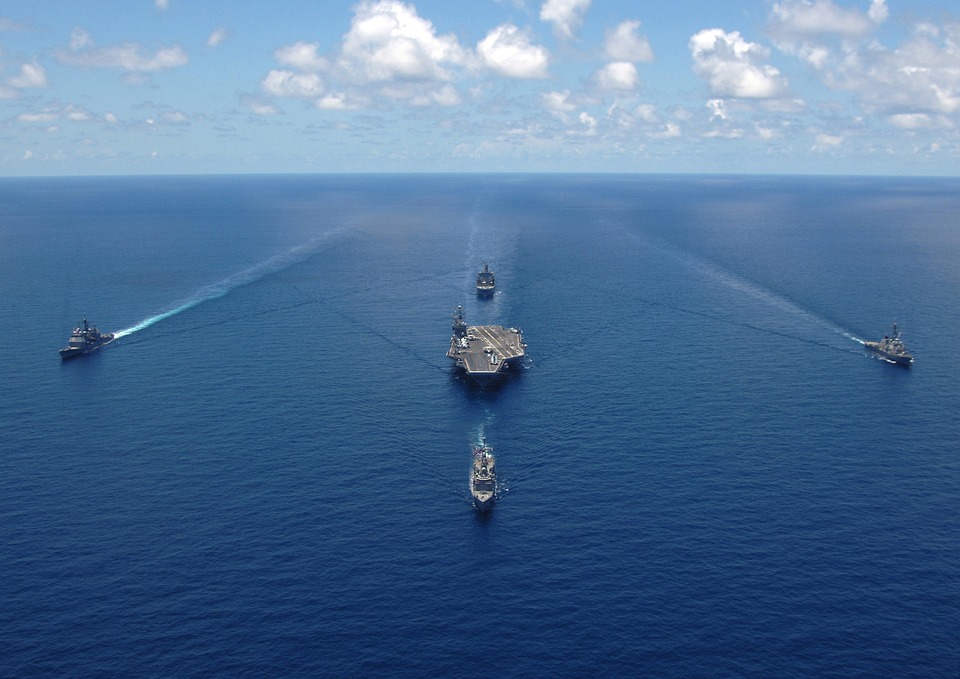
Tensions in the South China Sea continue to grow due to the increasing military presence from both Chinese forces and the surrounding countries and their allies in the west. The European Union recently called out Chinese President Xi Jinping for the attempts to disturb the peace in the hotly contested waters.
The European Union has now urged everyone involved in the dispute to adhere to the 2016 arbitration rejecting China’s claim of having sovereignty over almost the entire South China Sea. Beijing has since rejected the ruling and has continued to insist it has sovereignty over the waters. At the same time, Brussels has also issued a new policy that seeks to increase the EU’s presence in the South China Sea to counter Chinese forces.
“Tensions in the South China Sea, including the recent presence of large Chinese vessels at Whitsun Reef, endanger peace and stability in the region,” said the EU spokesperson in a statement. The statement also stressed the EU’s opposition to actions that could undermine stability in the region and are against the international rules-based order.
The statement also comes as the Philippines has protested against China for its failure to pull out the boats that are believed to be manned by maritime militia around the Whitsun Reef. The reef is also referred to as Julian Felipe reef by the Philippines. In response to the EU’s statement, China rejected the accusations and also stressed that the Whitsun reef is part of the nation’s Nansha islands, also known as Spratley Islands.
They also said that it was reasonable and legal for Chinese fishing vessels to operate there and seek shelter from the weather. China also appears to grow more concerned due to the EU and other countries involved heeding US President Joe Biden’s call to make a coordinated effort to counter China’s plans for expansion. The concerns come as the US and its allies have already imposed sanctions over the incidents in Hong Kong and the treatment of Uyghur Muslims in Xinjiang.
The United Kingdom is also looking to increase its naval presence in the disputed waters as it is set to deploy its biggest naval flotilla, its Carrier Strike Group, in May. The fleet would be led by the HMS Queen Elizabeth in its first maiden voyage, according to UK Defense Secretary Ben Wallace.
“When our Carrier Strike Group sets sail next month, it will be flying the flag for Global Britain -- projecting our influence, signaling our power, engaging with our friends, and reaffirming our commitment to addressing the security challenges of today and tomorrow,” said Wallace.







