


 US Confirms Weapons in Orbit as Space Tensions Rise
  Australia Defends Social Media Algorithm Law Amid US Concerns
  Trump Eyes End to Iran War, Plans Gulf Leaders Meeting
  South Korea’s Cho Hyun to Meet Rubio in Washington
  Trump Administration Removes Confederate Memorial Criticism From Arlington Website
  Houthis Seize Bab el-Mandeb as Military Power Grows
  France Targets Shein, Temu With Fast-Fashion Fees
  Australia Plans New Rules Giving Users Control Over Social Media Feeds
  Trump Administration Pauses Visa Appointments Worldwide
  FAA Allows Boeing to Sell 35 More 777F Freighters Beyond 2028
  Rodrigo Duterte Makes First Public Appearance at ICC in 18 Months
  Australia Tightens Student Visa Rules, Targets Migration Cut by 2028
  SEC Seeks ISS Client Voting Records in Proxy Adviser Probe
  Who should own the knowledge that underpins AI technology?
  UN Allows Mahmoud Abbas Video Address After US Visa Denial
  Trump Grants Clemency to Jay-Z Associate Emory Jones
  Google Changes EU Spam Policy Amid Antitrust Scrutiny


 Add as a preferred source on Google
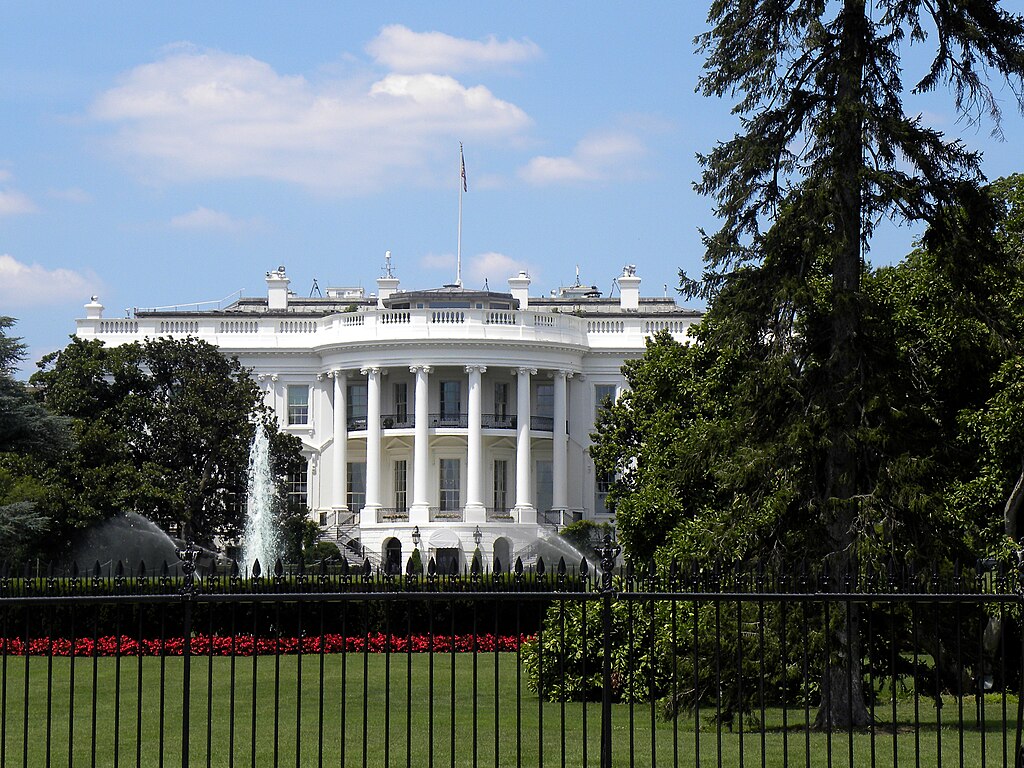
The Trump administration is considering a controversial proposal that could deny automatic back pay to hundreds of thousands of federal employees affected by the ongoing government shutdown. According to an internal document obtained by Reuters, the Office of Management and Budget (OMB) argues that back pay for furloughed workers should not be automatic and must instead be approved by Congress.
If implemented, the policy could affect as many as 700,000 federal workers, including scientists, administrators, and other civil servants who have been furloughed since the shutdown began on October 1. This proposal directly challenges the 2019 law signed by President Donald Trump, which guarantees that both furloughed and essential employees receive back pay as soon as the shutdown ends.
In a draft memo, OMB’s top lawyer contends that the law requires congressional approval for such payments — a stance that contradicts long-standing precedent. Historically, Congress has always approved retroactive pay following all 15 government shutdowns since 1981. The new interpretation could delay or even block back pay due to deep partisan divisions in Washington.
Speaking to reporters, President Trump hinted that not all affected workers deserve compensation, stating, “It depends on who we’re talking about.” He added, “There are some people that really don’t deserve to be taken care of.”
The shutdown has forced “essential” employees such as military personnel, border agents, and air traffic controllers to continue working without pay, placing many under financial strain as missed paychecks loom. Meanwhile, Republicans have proposed a temporary funding extension through November 21, but Democrats insist that any deal must also include healthcare subsidy protections.
Some Republicans, including Senator John Kennedy of Louisiana, expressed reluctance to back the OMB proposal. “I do think we’ve always given back pay, and we likely will this time,” he said, reflecting broader unease within the GOP.







