


 Saudi Arabia Raises Security Alerts as Houthi Attacks Threaten Oil Routes
  France Urges Faster AI Push Despite Safety Risks
  Trump Grants Clemency to Jay-Z Associate Emory Jones
  US Officials Meet Houthis in Oman Amid Yemen Offensive
  US Confirms Weapons in Orbit as Space Tensions Rise
  US Bans Canadian Alcohol, Motorcycles as Trade War Escalates
  Rodrigo Duterte Makes First Public Appearance at ICC in 18 Months
  Global Poll Shows Rising Trust in Institutions as US-China Leadership Support Falls
  Trump Threatens EU Tariffs Over Canada Membership Proposal
  Australia Tightens Student Visa Rules, Targets Migration Cut by 2028
  Trump Administration Pauses Visa Appointments Worldwide
  U.S. Probes Apex Logistics Over Nvidia AI Chip Shipments to China
  Vietnam, U.S. Firms Plan 29 Deals Across Energy, Tech and Aviation
  Ukraine Races to Counter Russia’s Faster Jet-Powered Drones
  US Allies Fear Trump Could Soften Taiwan Stance in Xi Talks
  Guterres Urges Stronger Global AI Safeguards Ahead of UN Assembly
  Trump Eyes End to Iran War, Plans Gulf Leaders Meeting


 Add as a preferred source on Google
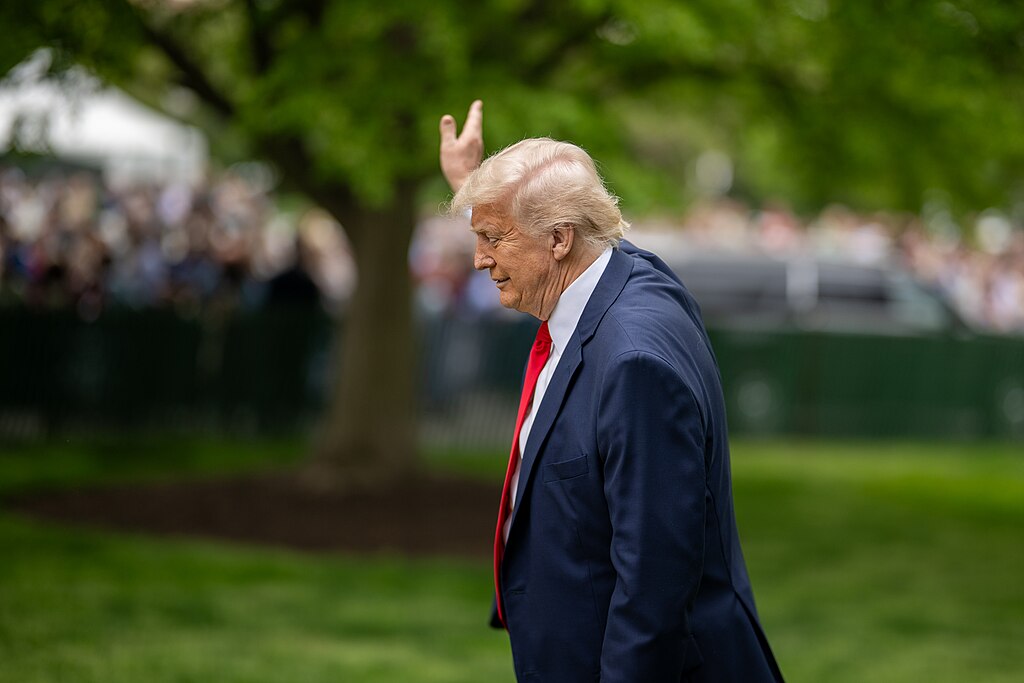
U.S. President Donald Trump announced a new policy direction on Tuesday, stating that his administration plans to revoke the citizenship of naturalized immigrants who are convicted of defrauding American citizens. The remarks were delivered during a speech at the Detroit Economic Club, where Trump outlined what he described as a broader effort to strengthen accountability within the U.S. immigration and naturalization system.
According to the president, the proposed action would apply to naturalized citizens from any country who are found guilty of committing fraud against Americans. While emphasizing that the policy is intended to be universal, Trump specifically referenced Somalia during his speech, drawing attention to concerns his administration has repeatedly raised about immigration enforcement and national security.
“We’re also going to revoke the citizenship of any naturalized immigrant from Somalia or anywhere else who is convicted of defrauding our citizens,” Trump said, underscoring that the focus is on criminal behavior rather than nationality alone. The statement reflects the administration’s continued emphasis on law and order, particularly in cases involving financial crimes, identity theft, or large-scale fraud schemes targeting U.S. residents.
Citizenship revocation, also known as denaturalization, is a legal process that already exists under U.S. law, typically reserved for cases where citizenship was obtained through false statements or concealment of material facts. Trump’s comments suggest a possible expansion or more aggressive use of this authority, especially in cases where fraud directly harms American citizens.
The announcement has sparked debate among legal experts, immigrant advocacy groups, and political analysts. Supporters argue that revoking citizenship for serious crimes protects the integrity of the naturalization process and deters future offenses. Critics, however, warn that such policies could raise constitutional concerns, create fear within immigrant communities, and lead to uneven enforcement.
As of now, the administration has not released detailed guidelines on how the policy would be implemented or whether new legislation would be required. Nonetheless, Trump’s remarks signal a continued hardline approach to immigration and naturalized citizenship, an issue that remains central to his political agenda and public messaging.







