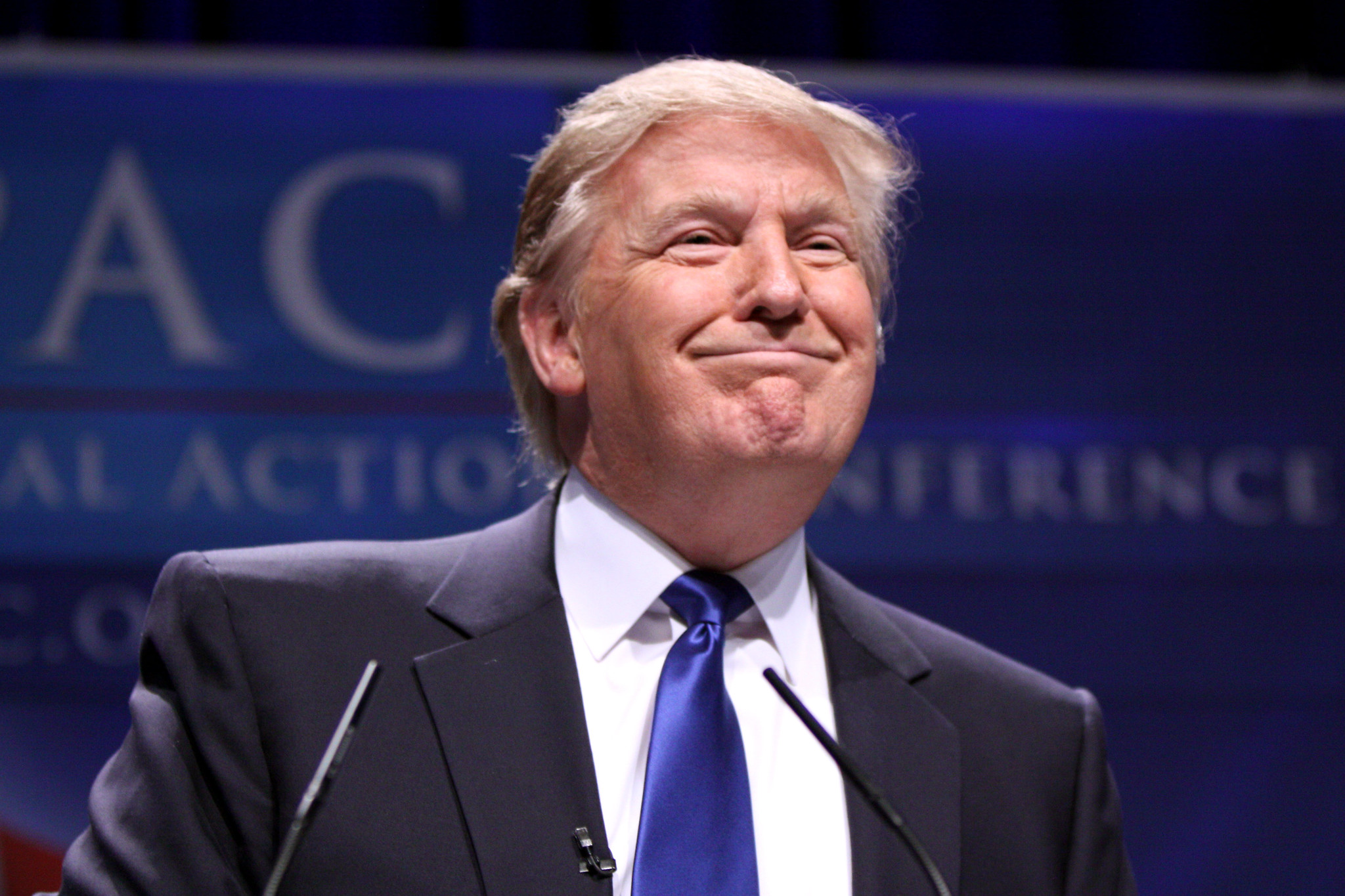
Trump’s Economic Vision
Republican presidential candidate Donald Trump defended his protectionist trade policies and fiscal proposals in a recent interview at the Economic Club of Chicago. He emphasized that his approach focuses on economic growth and revitalizing American manufacturing, asserting that these policies would not lead to increased federal debt.
Addressing Federal Debt Concerns
Despite budget analysts predicting that Trump's policies could add $7.5 trillion to the federal debt by 2035, Trump remains confident. He argues that imposing tariffs on imported goods, including those from allies like the European Union, will generate sufficient revenue to alleviate concerns about the deficit. "To me, the most beautiful word in the world is 'tariff,'" Trump stated, highlighting his commitment to these measures.
Promises of Tax Breaks
In a follow-up Fox News town hall in Atlanta, Trump promised to introduce more tax breaks for low-income Americans, emphasizing the need for fairness in the tax system. "We're going to readjust things so that it's fair to everybody," he said.
Potential Economic Risks
Experts warn that Trump's tariffs could negatively impact the U.S. economy by increasing consumer prices and jeopardizing jobs. Nevertheless, Trump insists that domestic manufacturing would mitigate these risks. He reiterated his commitment to imposing high tariffs, including a proposed 200% tariff on vehicles imported from Mexico.
Broader Economic Discussions
Throughout the interview, Trump also touched on various topics, including his relationship with the Federal Reserve and international relations. He expressed a desire to influence interest rate decisions while refraining from directly commenting on his future intentions regarding Fed Chair Jerome Powell.
In summary, Trump remains resolute in his protectionist stance, aiming to bolster American manufacturing and provide tax relief, despite the controversy surrounding his fiscal strategies.