


 What is Zionism? The different meanings of a contested term
  Banking scandal rocks Brazil’s politics and the country’s presidential election in October
  Vietnam, U.S. Firms Plan 29 Deals Across Energy, Tech and Aviation
  New Zealand Labour Backs Social Media Ban for Under-16s
  Nvidia-Groq AI Chip Deal Faces U.S. Antitrust Probe
  Australia Plans New Rules Giving Users Control Over Social Media Feeds
  US Confirms Weapons in Orbit as Space Tensions Rise
  Nvidia CEO Jensen Huang Expected at Trump-Xi State Dinner
  Google Changes EU Spam Policy Amid Antitrust Scrutiny
  SEC Seeks ISS Client Voting Records in Proxy Adviser Probe
  Japan, U.S. Discuss $19 Billion GlobalFoundries Chip Plant
  U.S. Issues Cuba Health Alert as Illnesses Rise
  Trump Grants Clemency to Jay-Z Associate Emory Jones
  US Judge Dismisses Imran Ahmed Deportation Lawsuit
  Brazil Warns EU of Retaliation Over Animal Products Ban
  Trump Eyes End to Iran War, Plans Gulf Leaders Meeting
  Trump Hopes Iran War Nears End as Yemen Fighting Escalates


 Add as a preferred source on Google
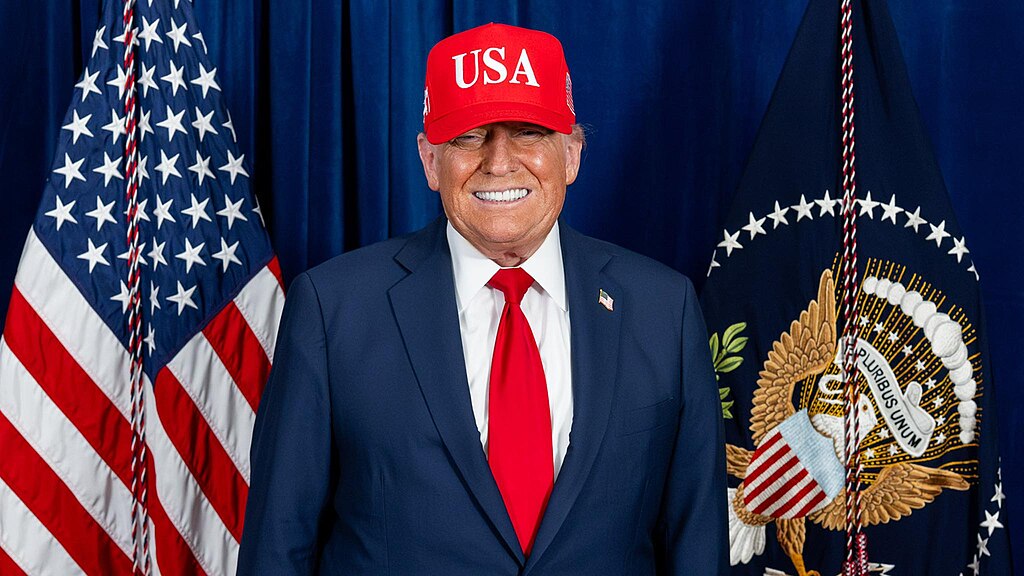
U.S. President Donald Trump announced late Friday that he is immediately ending Temporary Protected Status (TPS) protections for Somali nationals living in Minnesota, abruptly accelerating the termination of a program that began in 1991 under President George H.W. Bush. In a post on Truth Social, Trump claimed—without offering evidence—that Somali gangs were destabilizing Minnesota and that “billions of dollars are missing,” allegations that quickly drew criticism from state and federal officials.
Trump described Minnesota as a “hub of fraudulent money laundering activity” under Democratic Governor Tim Walz, referencing unverified media reports shared by several Republican lawmakers suggesting that the Somali militant group Al-Shabaab indirectly benefited from fraud schemes in the state. Walz responded on X, saying Trump’s decision was another example of targeting an entire community to distract from larger national issues. Minnesota Senator Amy Klobuchar echoed the criticism, saying the president should focus on economic concerns instead of threatening residents with legal immigration status.
The TPS program for Somalia was created to protect eligible individuals who could not safely return home due to civil war and instability. Although the Biden administration extended Somali TPS through March 17, 2026, Trump’s announcement overrides that extension. Official data from the Congressional Research Service shows that only 705 Somali-born individuals nationwide currently hold TPS status, compared with far larger groups like the 330,000 Haitians and 170,000 Salvadorans protected under the same program. Most Somalis in Minnesota are U.S. citizens and are unaffected by the order.
Community leaders expressed deep concern. Jaylani Hussein of the Council on American-Islamic Relations (CAIR) in Minnesota emphasized that those with TPS are legal immigrants who have followed all requirements and now face the risk of family separation. Meanwhile, Abshir Omar, a political strategist and Trump supporter during the 2024 election, predicted immediate legal challenges and warned that the move could strain U.S.–Somalia relations at a time when Somalia has offered significant strategic cooperation, including access to key air bases and port facilities.







