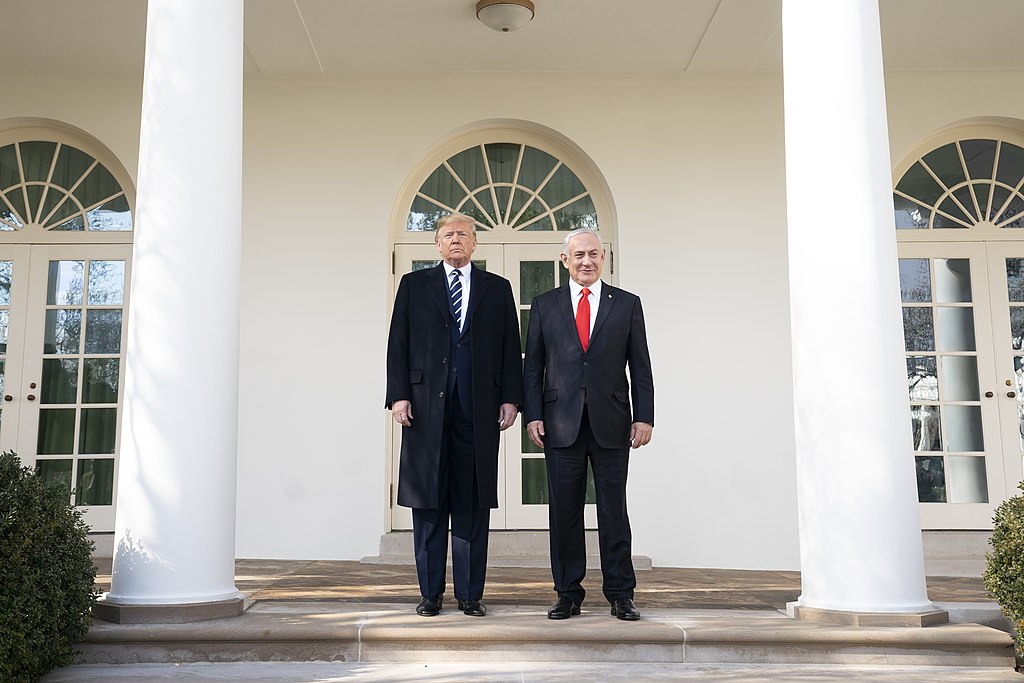
U.S. President Donald Trump held a phone call with Israeli Prime Minister Benjamin Netanyahu on Tuesday, according to a report by Axios, which cited an unnamed Israeli official. The conversation comes at a time of heightened geopolitical tension in the Middle East, particularly as conflict between Israel and Iran intensifies.
While details of the call were not disclosed, the timing suggests that the two leaders may have discussed regional security, military strategies, or diplomatic coordination in response to recent escalations. Over the past week, Israel has conducted sustained airstrikes on Iranian targets, sparking fears of broader U.S. involvement in the conflict.
Trump, who is campaigning for re-election in 2026, has repeatedly positioned himself as a staunch ally of Israel. His close ties with Netanyahu during his presidency included key policy moves such as relocating the U.S. embassy to Jerusalem and recognizing Israeli sovereignty over the Golan Heights. His latest engagement with Netanyahu is likely to be seen as a continuation of that relationship and could influence both U.S. domestic politics and international diplomacy.
The call also comes amid broader speculation about a possible shift in U.S. foreign policy should Trump return to office. His critics argue that his direct involvement could further destabilize the region, while supporters say his firm stance could restore deterrence.
Neither Trump’s office nor Netanyahu’s has officially commented on the content of the conversation as of Wednesday. However, the report has already drawn international attention, with analysts closely watching for further signs of coordination between the two leaders.
The call highlights the ongoing complexity of U.S.-Israel relations and the potential implications for global stability, especially as tensions with Iran continue to escalate.