


 France Targets Shein, Temu With Fast-Fashion Fees
  Trump Threatens Bombardier U.S. Sales Ban
  Yen Rebounds as BOJ Rate Hike Bets Rise
  SEC Proposes ‘Regulation Crypto Assets’ Framework for Crypto Fundraising
  Iran Vows Tougher Response as US Sanctions Squeeze Economy
  Japan, U.S. Stay Aligned on Yen as Currency Surges
  Asian Currencies Mixed as Yen Rallies on BOJ Bets
  Guatemala Receives 2,300 Mexicans Deported From US
  Trump’s Arlington Arch Project Faces New Court Restrictions
  South Korea GDP Surges on Chip and AI Boom
  UK House Prices Fall for First Time Since 2023
  Kyiv Mothers Give Birth Amid Russian Drone Attacks
  Netanyahu Orders West Bank Settler Outposts Dismantled
  Asian Stocks Rally as AI Optimism Fuels Chipmaker Surge
  European Stocks Flat as Iran Tensions, ECB Rate Hike Loom
  Merz Rejects AfD Alliance After Saxony-Anhalt Surge
  US Tightens Cuba Sanctions, Targets Officials and State Entities


 Add as a preferred source on Google
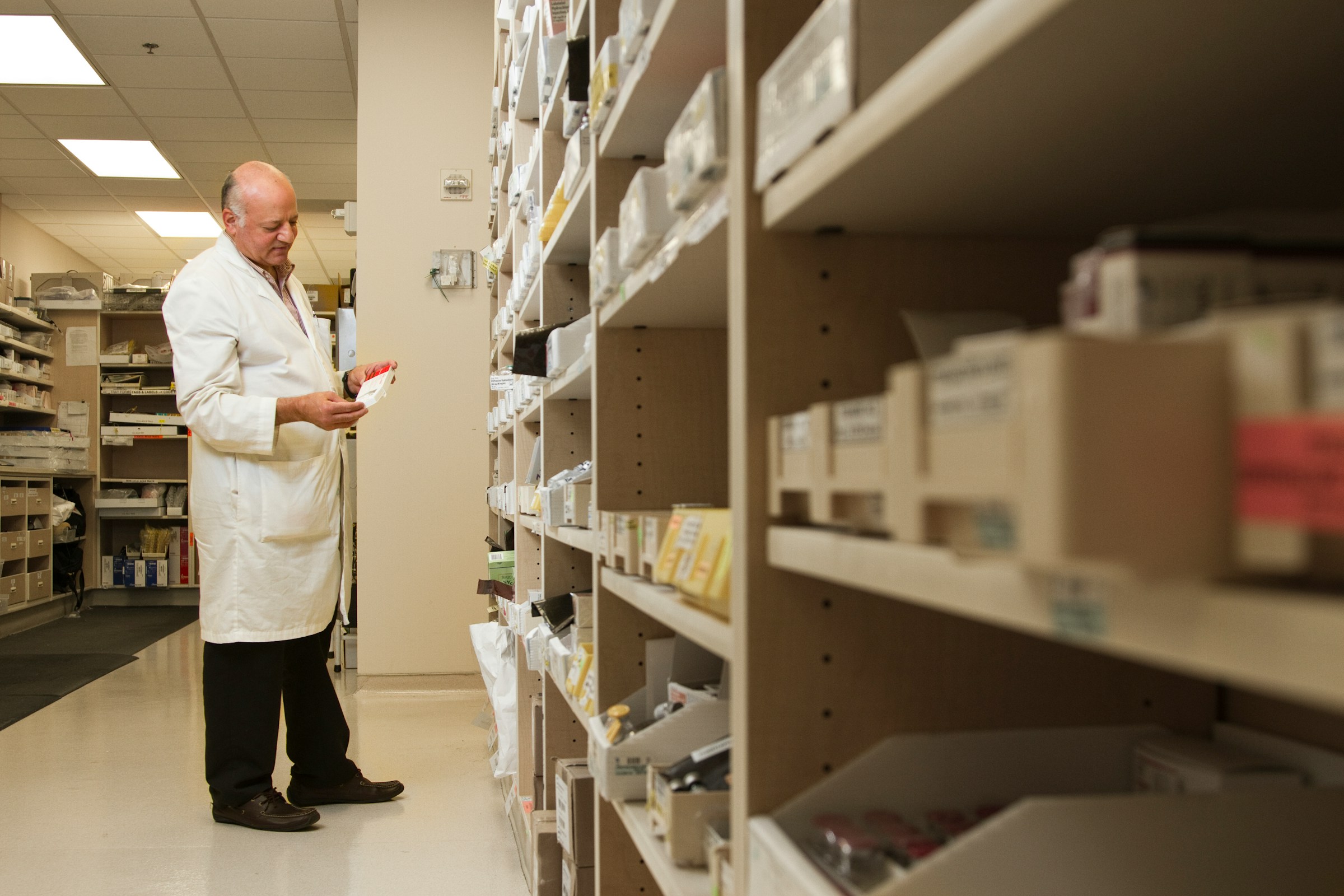
U.S. President Donald Trump announced sweeping new trade tariffs Thursday evening, including a 100% levy on imported pharmaceutical products, marking one of his most aggressive moves to date in reshaping America’s trade policy. The new tariffs, set to take effect October 1, will also include a 25% duty on heavy truck imports, 50% on kitchen and bathroom fittings, and 30% on upholstered furniture.
According to Trump, the pharmaceutical tariffs will apply to all branded or patented products, though companies actively building manufacturing plants in the United States will be exempt. He specified that firms must have already broken ground or begun construction on U.S. facilities to qualify. Trump framed the move as a matter of national security and a necessary step to reduce dependency on foreign drug imports.
The United States imported over $212 billion worth of pharmaceutical products in 2024, government data shows. Trump has long criticized this reliance, arguing that it threatens U.S. security and weakens domestic industries. Earlier this year, he demanded that 17 major drugmakers lower domestic drug prices while raising them abroad to balance profits. In August, Trump warned he could hike tariffs as high as 250%, signaling the seriousness of his push for reshoring production.
The tariff threats have already spurred huge investment pledges from global pharma companies. Roche committed to investing $50 billion, while Novartis announced $23 billion in U.S. facilities. American firms including Johnson & Johnson (NYSE:JNJ) and Eli Lilly and Company (NYSE:LLY) are also ramping up domestic operations to hedge against the new trade policies.
These tariffs extend beyond pharmaceuticals, targeting industries like heavy trucks, fittings, and furniture—sectors Trump says need protection to revive U.S. manufacturing and safeguard jobs. While the full impact of these measures on trade partners remains unclear, they underscore the administration’s continued reliance on tariffs as a core tool in its economic agenda.







