


 ICE Agent Arrested in Minneapolis Over Venezuelan Man Shooting
  Japan, U.S. Discuss $19 Billion GlobalFoundries Chip Plant
  Trump Administration Pauses Visa Appointments Worldwide
  Pentagon Restarts Testosterone Testing for US Troops
  Vietnam, U.S. Firms Plan 29 Deals Across Energy, Tech and Aviation
  US Officials Meet Houthis in Oman Amid Yemen Offensive
  Australia Tightens Student Visa Rules, Targets Migration Cut by 2028
  U.S. Probes Apex Logistics Over Nvidia AI Chip Shipments to China
  Australia Plans New Rules Giving Users Control Over Social Media Feeds
  Nvidia-Groq AI Chip Deal Faces U.S. Antitrust Probe
  US Confirms Weapons in Orbit as Space Tensions Rise
  Trump Hopes Iran War Nears End as Yemen Fighting Escalates
  US Resumes Immigrant Visa Processing for Hungary, Poland
  Judge Blocks Trump Rule Limiting Foreign Student Visas
  US-China Experts Push AI Nuclear Safeguards to Prevent Military Escalation
  U.S. Issues Cuba Health Alert as Illnesses Rise
  Trump Threatens EU Tariffs Over Canada Membership Proposal


 Add as a preferred source on Google
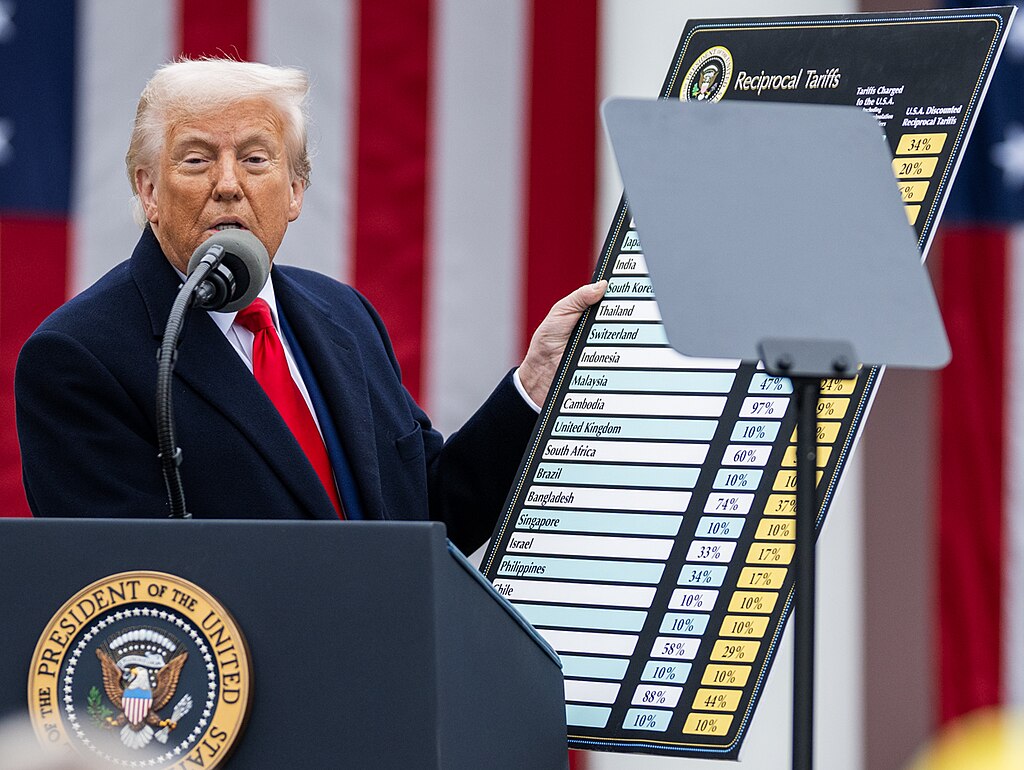
President Donald Trump announced that beginning November 1, all medium- and heavy-duty trucks imported into the United States will face a 25% tariff, marking a sharp escalation in his administration’s efforts to protect U.S. truck manufacturers from foreign competition.
Last month, Trump initially proposed new duties for heavy truck imports on October 1, citing national security concerns. He stated the measure was designed to shield domestic producers like Peterbilt and Kenworth (owned by Paccar) and Freightliner (owned by Daimler Truck) from “unfair outside competition.”
Under current trade agreements with Japan and the European Union, the U.S. applies a 15% tariff on light-duty vehicles, though it remains unclear whether this rate will extend to larger trucks. The administration has also permitted automakers to deduct U.S.-made components from tariff costs for light-duty vehicles produced in Canada and Mexico.
The new tariffs affect a wide range of vehicles, including delivery trucks, buses, tractor-trailers, and heavy-duty vocational vehicles. Industry groups, including the U.S. Chamber of Commerce, have criticized the move, noting that top import sources—Mexico, Canada, Japan, Germany, and Finland—are all U.S. allies.
Mexico, the largest exporter of medium- and heavy-duty trucks to the U.S., warned that tariffs could disrupt trade. Imports from Mexico have tripled since 2019 to about 340,000 units, with the country emphasizing that its trucks contain around 50% U.S. content.
Automakers like Stellantis, which builds Ram trucks and commercial vans in Mexico, had lobbied against the tariffs. Meanwhile, Volvo Group is investing $700 million in a new Mexican truck plant slated to open in 2026.
In 2024, the U.S. imported nearly $128 billion in heavy vehicle parts from Mexico—roughly 28% of all U.S. imports—highlighting the potential impact these tariffs could have on the North American supply chain and cross-border manufacturing.







