


 Trump’s ‘New America’ Proposal Draws Backlash in New Mexico
  Canada Retaliatory Tariffs on U.S. Goods Take Effect
  Russia Seeks to Claw Back Soldier Bonuses After Crimes
  Trump Hails AfD Election Win, Blames Germany Immigration Rules
  Australia Plans New Rules Giving Users Control Over Social Media Feeds
  U.S. Accuses Chinese AI Firms of Extracting Model Capabilities
  SEC Sues Former Tricolor Executives Over $1.9 Billion Investor Fraud Scheme
  US Bans Canadian Alcohol, Motorcycles as Trade War Escalates
  US Resumes Immigrant Visa Processing for Hungary, Poland
  Japan Foreign Reserves Plunge $79.6 Billion After Record Yen Intervention
  Iran Vows Tougher Response as U.S. Sanctions Squeeze Economy
  China Boosts Gold Reserves by 650,000 Ounces as Prices Rally
  France Targets Shein, Temu With Fast-Fashion Fees
  Iran Allows Iraqi Oil Tankers Through Strait of Hormuz
  FDA Names Permanent Drug and Biologics Center Chiefs
  Trump Grants Clemency to Jay-Z Associate Emory Jones


 Add as a preferred source on Google
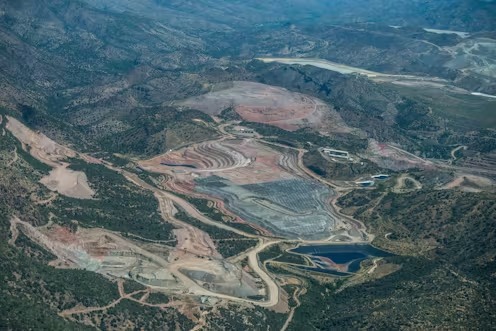
U.S. President Donald Trump has announced a sweeping 50% tariff on copper imports in a bid to revitalize America’s copper industry. The decision, unveiled via a social media post on Wednesday, follows through on a threat made earlier this week. Trump sharply criticized former President Joe Biden, claiming his administration weakened the U.S. copper sector.
“Copper is the second most used material by the Department of Defense,” Trump wrote. “This 50% TARIFF will reverse the Biden Administration’s thoughtless behavior. America will, once again, build a DOMINANT Copper Industry.”
The U.S. currently produces just over half of the refined copper it consumes, importing the rest. Top copper suppliers to the U.S. include Chile, Canada, and Peru—countries that have urged the Trump administration to reconsider and exempt them from the steep tariffs.
While China is the world’s largest copper refiner and consumer, the U.S. depends heavily on Latin American imports to meet industrial demand. The tariff move is expected to significantly impact global trade flows and prices.
A significant portion of U.S. copper is mined in Arizona. Industry giants like Freeport-McMoRan (NYSE:FCX) and Rio Tinto (NYSE:RIO) dominate the domestic market. Following Trump's announcement, Freeport-McMoRan shares surged, and U.S. copper futures soared to record highs earlier this week amid anticipation of supply tightening.
Analysts believe the tariff could fuel higher prices and drive new investment into American copper production, though it may also provoke retaliation from trade partners. The long-term impact on supply chains and domestic infrastructure projects remains uncertain.







