


 South Korea’s Cho Hyun to Meet Rubio in Washington
  Brazil Court Suspends Sigma Lithium Mine Operations
  TikTok, DOJ Reach $400 Million Children’s Privacy Settlement
  Judge Blocks Trump Rule Limiting Foreign Student Visas
  Texas Republicans Turn Against AI Data Centers as Election Backlash Grows
  US Sailor’s Father Detained by Immigration Authorities
  Amazon Shares Fall as FTC Plans Ad Pricing Lawsuit
  China’s Global Times Slams Anthropic CEO’s AI Slowdown Plan as ‘Cold War’ Strategy
  Banking scandal rocks Brazil’s politics and the country’s presidential election in October
  US Confirms Weapons in Orbit as Space Tensions Rise
  Houthis Escalate Saudi Attacks as Red Sea Oil Risks Grow
  Global Poll Shows Rising Trust in Institutions as US-China Leadership Support Falls
  UN Chief Raises Concern Over US Sanctions on ICC Officials
  US Judge Dismisses Imran Ahmed Deportation Lawsuit
  Prince Harry Faces Potential Multi-Million-Pound Legal Bill in Daily Mail Case
  CK Hutchison Seeks $1.5 Billion From Panama Over Canal Ports
  SEC Sues Former Tricolor Executives Over $1.9 Billion Investor Fraud Scheme


 Add as a preferred source on Google
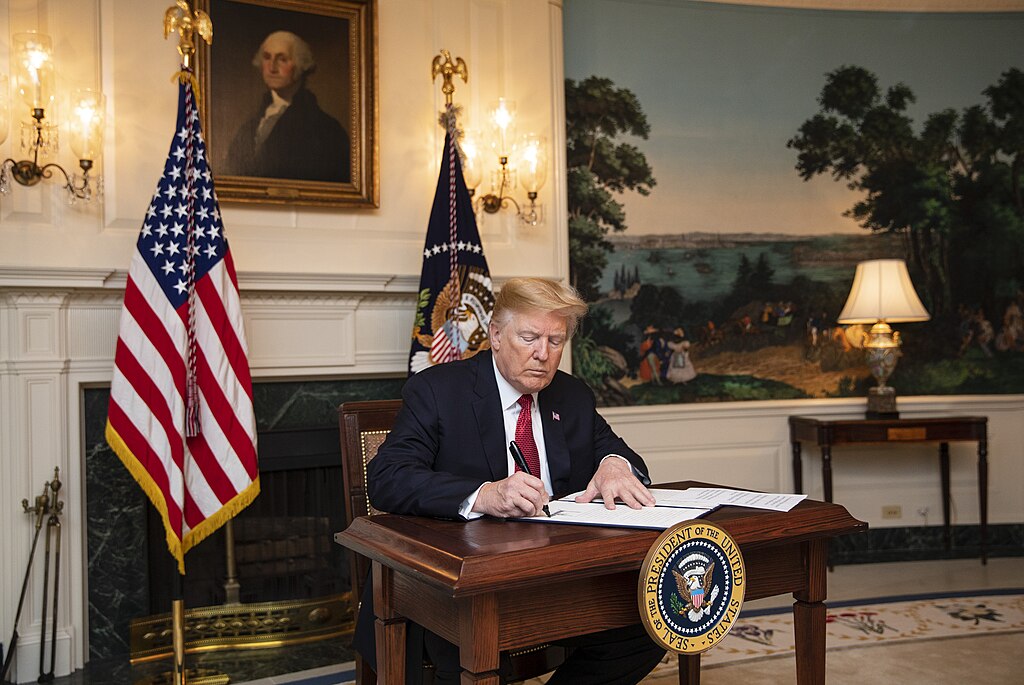
U.S. President Donald Trump is set to sign an executive order on Thursday to dismantle the Department of Education, fulfilling a key campaign promise. The move, already facing legal opposition, aims to shift education authority to the states while ensuring ongoing services.
A coalition of Democratic attorneys general has sued to block the decision, arguing that massive staff layoffs—over 1,300 positions—will cripple the agency and violate congressional authority. Trump's push to eliminate the department follows his criticism of federal education oversight, calling it a “big con job.” The administration claims over $3 trillion has been spent since the department’s 1979 inception without improving student outcomes.
Despite the executive order, Congress holds the power to abolish a cabinet-level agency. With a 53-47 Republican Senate majority, Trump needs seven Democratic votes to advance legislation, an unlikely outcome given Senate opposition. Education Secretary Linda McMahon, newly confirmed, has vowed to maintain federal funding for low-income districts and student aid.
The department oversees 100,000 public and 34,000 private schools, distributing billions in aid and managing $1.6 trillion in student loans. Critics warn that closing it would disrupt essential services, including support for students with disabilities. The order also bans remaining department funds from advancing DEI and gender ideology initiatives.
Legal experts argue Trump cannot unilaterally dissolve the agency. The lawsuit contends the mass layoffs and restructuring exceed executive authority, making congressional intervention crucial. Trump’s past attempts to shut down government agencies, like USAID, faced similar hurdles.
While the order is a significant step toward downsizing the federal government, the fight over education’s future is far from over.







