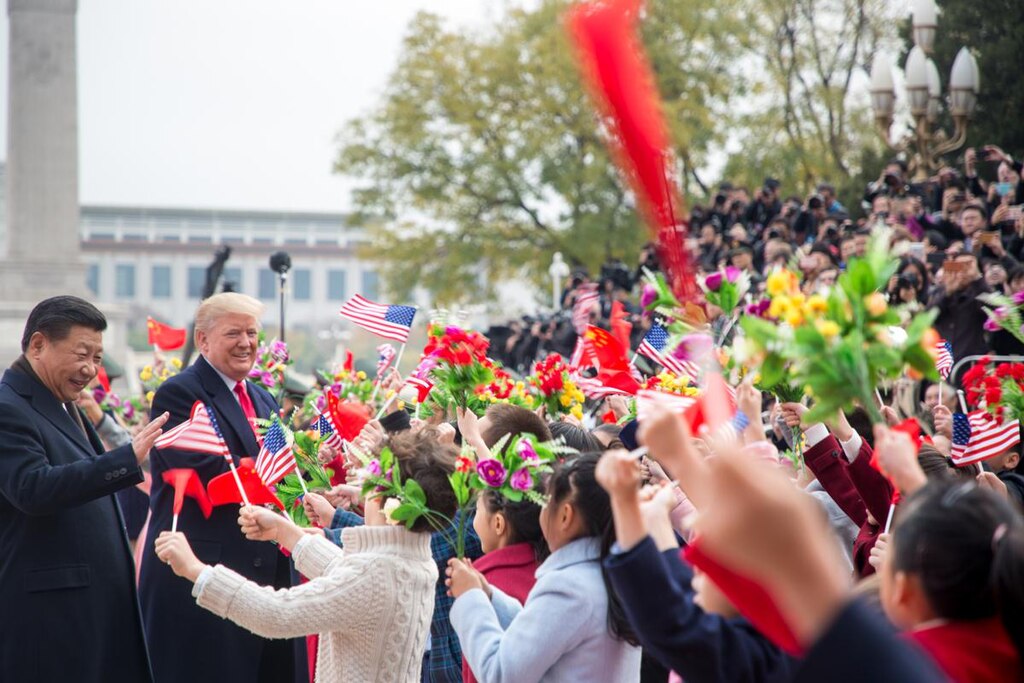
U.S. President Donald Trump and Chinese President Xi Jinping are set to hold a call Friday aimed at reaching an agreement to keep TikTok operating in the United States while addressing escalating trade tensions. The conversation, their first in three months, comes as both nations weigh a potential meeting during the Asia-Pacific Economic Cooperation (APEC) summit in South Korea from October 30 to November 1.
TikTok’s future remains uncertain after Congress ordered the app’s shutdown by January 2025 unless its U.S. assets are sold by Chinese parent company ByteDance. Trump has delayed enforcement, citing TikTok’s political influence and popularity among American users. He praised the app’s value, noting its role in boosting his political communications.
Reports suggest the deal would transfer TikTok’s U.S. operations to American ownership while still relying on ByteDance’s algorithm. This raises national security concerns among lawmakers wary of Beijing’s potential access to U.S. user data. China, however, rejects claims that TikTok poses a threat.
The talks unfold against the backdrop of strained economic relations. Both countries have imposed steep tariffs since Trump returned to office in January, with rates reaching historic levels. Despite a series of limited trade truces, disputes persist over technology, rare-earth materials, and agricultural purchases. Washington is pressing Beijing to increase imports of soybeans and Boeing aircraft while cracking down on fentanyl-related exports.
Trump has signaled openness to extending trade agreements under current terms, while also warning of additional tariffs if disputes remain unresolved. Meanwhile, geopolitical flashpoints such as Taiwan and the South China Sea continue to fuel regional uncertainty.
In a goodwill gesture ahead of the leaders’ call, Beijing allowed U.S. banker Chenyue Mao to return home after months of being barred from leaving China, signaling tentative progress in easing tensions.