


 Google Changes EU Spam Policy Amid Antitrust Scrutiny
  US Delegation Visits Myanmar, Secures Release of American Adam Castillo
  FDA Weighs Safety Standards for Psychedelic Therapies
  Japan, U.S. Discuss $19 Billion GlobalFoundries Chip Plant
  Synthetic data could ease people’s concerns about privacy breaches. But who gets to create it?
  Bessent Presses Japan on Fiscal Policy as Yen Struggles
  Guterres Urges Stronger Global AI Safeguards Ahead of UN Assembly
  Vietnam, U.S. Firms Plan 29 Deals Across Energy, Tech and Aviation
  Australia Tightens Student Visa Rules, Targets Migration Cut by 2028
  Trump Says US Army Base in Poland Talks Make Progress
  Trump Grants Clemency to Jay-Z Associate Emory Jones
  SEC Seeks ISS Client Voting Records in Proxy Adviser Probe
  Houthis Seize Bab el-Mandeb as Military Power Grows
  U.S. Issues Cuba Health Alert as Illnesses Rise
  France Urges Faster AI Push Despite Safety Risks
  US Immigration Arrests Surge as Deportations Lag Behind
  U.S. Imposes New Visa Restrictions Over South Africa Policies


 Add as a preferred source on Google
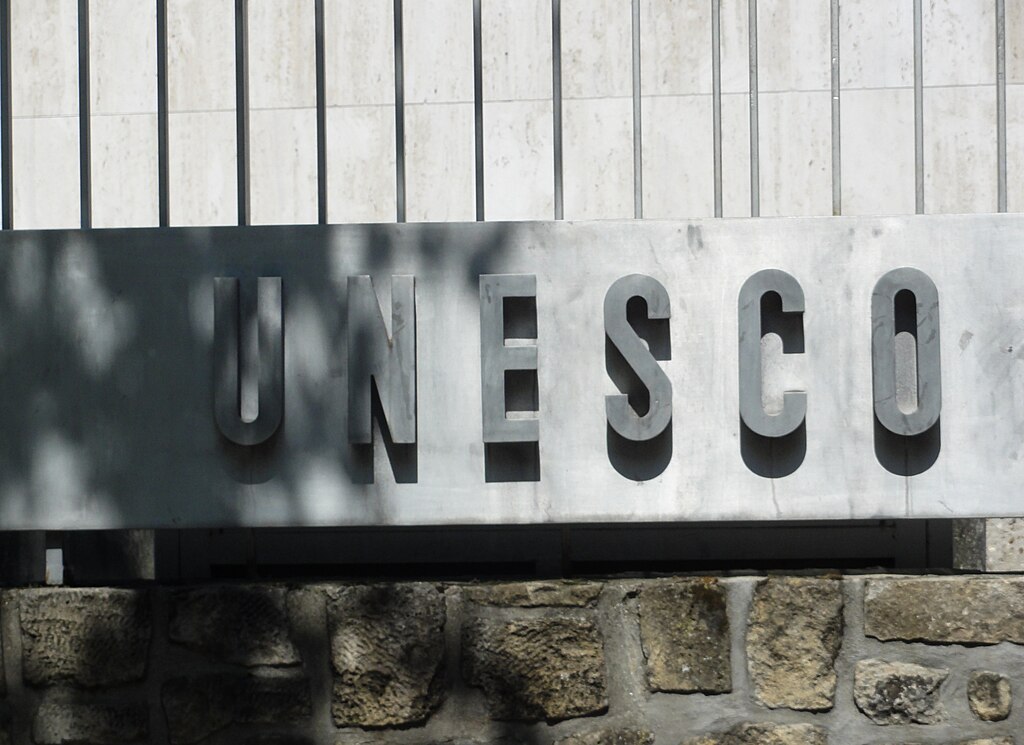
President Donald Trump will once again withdraw the U.S. from UNESCO, accusing the U.N. cultural and education agency of promoting “woke” and divisive agendas. The move, set to take effect by the end of next year, reflects Trump’s broader “America First” policy and skepticism toward global institutions like the U.N., NATO, and WTO.
White House spokeswoman Anna Kelly stated that UNESCO supports “social causes out of step with American values.” The U.S. State Department criticized the agency for backing a “globalist” development agenda and condemned its recognition of Palestine as a member state, citing increased anti-Israel rhetoric.
UNESCO Director-General Audrey Azoulay expressed regret but said the organization was prepared. French President Emmanuel Macron reaffirmed his support, calling UNESCO the “universal protector” of cultural heritage.
UNESCO officials noted that only 8% of its budget comes from the U.S. and that recent years had seen efforts to reduce political tensions and foster consensus. They highlighted programs combating antisemitism and promoting Holocaust education.
Israel welcomed the decision, with its U.N. ambassador citing a long-standing anti-Israel bias. Foreign Minister Gideon Sa’ar thanked Washington for its leadership and urged an end to the politicization of U.N. agencies.
Critics, however, warned of geopolitical consequences. Senator Jeanne Shaheen called the move “short-sighted,” noting it would again cede influence to China, which became UNESCO’s top funder after Trump’s previous withdrawal in 2017.
The U.S. has had a rocky history with UNESCO, having first left in 1984 under President Reagan and rejoining in 2003 under President Bush. Trump’s latest decision repeats his first-term exit reversed by Biden in 2023, amid broader reversals of U.S. withdrawals from global organizations.







