


 Trump Eyes End to Iran War, Plans Gulf Leaders Meeting
  SEC Seeks ISS Client Voting Records in Proxy Adviser Probe
  FDA Names Permanent Drug and Biologics Center Chiefs
  South Korea’s Lee Rules Out Military Role in Middle East War
  South Korea’s Cho Hyun to Meet Rubio in Washington
  Google Changes EU Spam Policy Amid Antitrust Scrutiny
  Texas Republicans Turn Against AI Data Centers as Election Backlash Grows
  Australia Plans New Rules Giving Users Control Over Social Media Feeds
  US Bans Canadian Alcohol, Motorcycles as Trade War Escalates
  FCC Approves Foreign Investment in $110B Paramount-Warner Bros. Deal
  Synthetic data could ease people’s concerns about privacy breaches. But who gets to create it?
  North Korea Vows to Expand Nuclear Arsenal Amid U.S.-Led Military Buildup
  Rodrigo Duterte Makes First Public Appearance at ICC in 18 Months
  Trump Threatens EU Tariffs Over Canada Membership Proposal
  Brazil Warns EU of Retaliation Over Animal Products Ban
  Australia Tightens Student Visa Rules, Targets Migration Cut by 2028
  ICE Agent Arrested in Minneapolis Over Venezuelan Man Shooting


 Add as a preferred source on Google
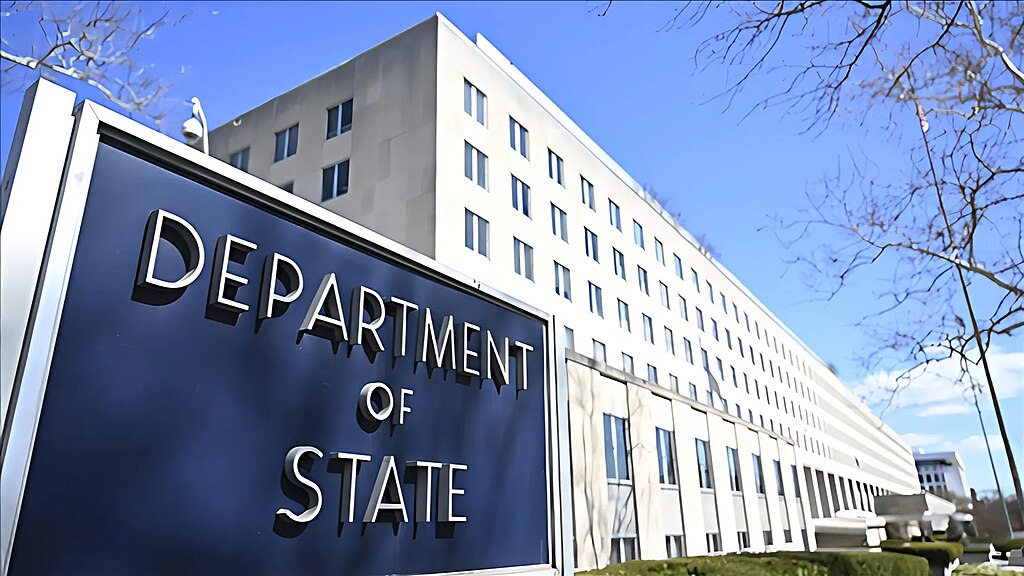
A U.S. Patent and Trademark Office employee, traveling in a personal capacity, has been barred from leaving China, according to the U.S. State Department. The individual, affiliated with the Department of Commerce, was visiting China when the exit ban was imposed. While the person's identity and current location remain undisclosed, officials confirmed they are actively engaged with Chinese authorities to resolve the situation.
The Washington Post reported that the employee, a U.S. citizen, was allegedly flagged by Chinese officials for not disclosing their U.S. government employment on a visa application. The State Department emphasized they are closely monitoring the matter.
China has a history of enforcing exit bans on both domestic and foreign nationals, often citing civil disputes, regulatory violations, or criminal investigations. Analysts say such measures are sometimes used for political leverage or to suppress dissent. The tactic has drawn criticism from international human rights organizations and heightened diplomatic tensions with Western nations.
The case follows a growing number of exit bans targeting U.S. citizens and foreign executives. Recently, Chenyue Mao, a Wells Fargo banker and U.S. citizen, was also prevented from leaving China due to her alleged involvement in a criminal investigation. In response, Wells Fargo suspended all employee travel to China.
The incident underscores the strained relations between Washington and Beijing, already fraught with disputes over trade, Taiwan, and national security. As geopolitical tensions mount, U.S. authorities are advising citizens—particularly government employees and corporate executives—to exercise caution when traveling to China.
This development adds to growing concerns among multinational companies operating in China and could further impact diplomatic efforts between the world’s two largest economies. The U.S. Commerce Department and the Chinese embassy have not yet issued public statements regarding the incident.







