U.S. delivery companies are preparing for a record-breaking holiday season, with parcel volumes expected to reach 2.3 billion between Thanksgiving and Christmas. This marks a 5% increase from last year, supported by an additional shopping day. However, industry analysts warn that the surge won’t be evenly distributed across carriers, as changing consumer behaviors and shifting logistics strategies impact market share.
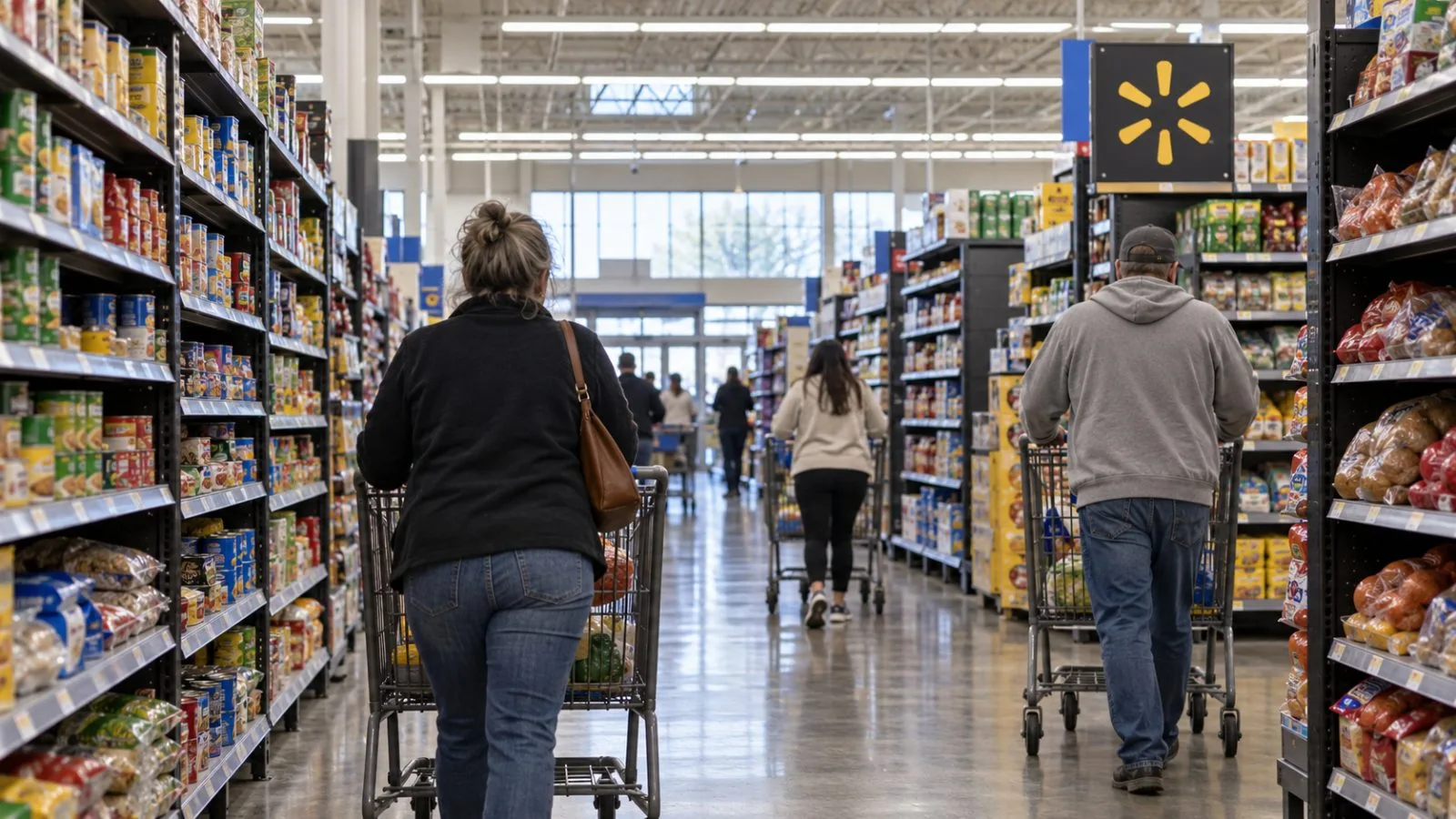
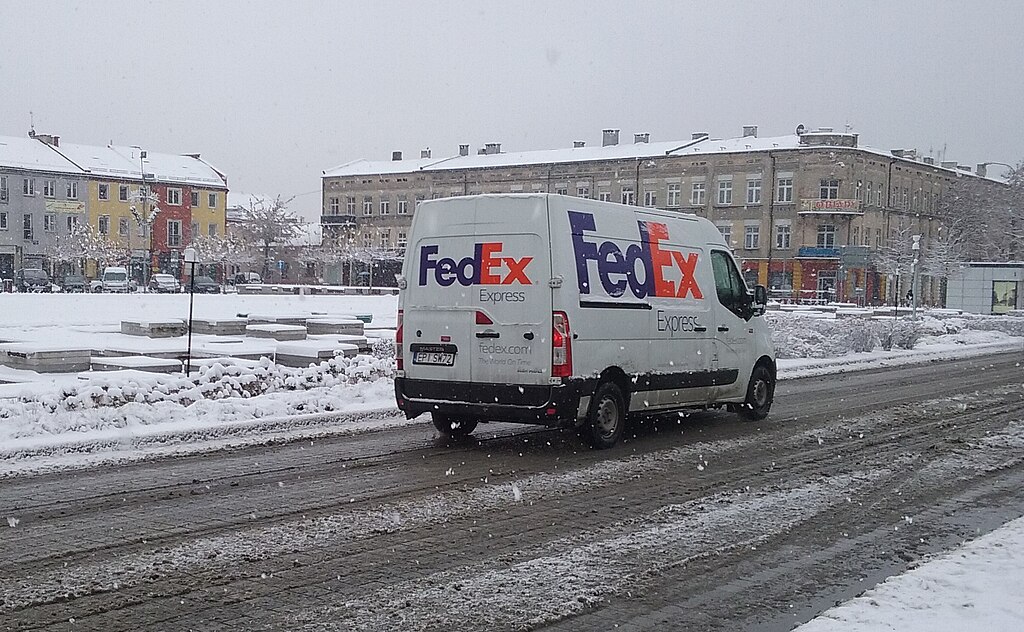
According to logistics technology firm ShipMatrix, Amazon’s logistics network and FedEx recorded solid growth in the first half of 2025, with parcel volumes up 6.1% and 5% respectively. In contrast, UPS experienced a 5.4% decline, while the U.S. Postal Service (USPS) dropped 6.7%. Since UPS is deliberately cutting back on Amazon deliveries, much of the lost volume is being absorbed by Amazon, FedEx, and private retailer networks such as Walmart. ShipMatrix projects that FedEx and Amazon could see a 5–8% volume increase during the holiday rush, while UPS and USPS remain flat.
The report also highlights potential consumer frustration over “peak surcharges,” fees implemented by carriers to offset higher seasonal costs. With more packages funneled into alternative delivery networks, traditional providers may face added pressure to justify these charges.
One major headwind for delivery demand has been President Donald Trump’s tariff policies. The elimination of the long-standing “de minimis” exemption, which previously allowed duty-free entry of goods valued under $800, has hit retailers like Temu and Shein especially hard. Roughly 1.4 billion packages benefited from this exemption last year, but the rule change—effective May 2 for China and Hong Kong, and August 29 globally—has disrupted cross-border e-commerce.
The ripple effects of tariff-driven price increases have made U.S. consumers more cautious, softening demand and creating uncertainty for shippers. As holiday shopping ramps up, FedEx and Amazon appear poised to benefit most, while UPS and USPS may struggle to regain momentum in an increasingly competitive delivery landscape.