


 Synthetic data could ease people’s concerns about privacy breaches. But who gets to create it?
  Vietnam, U.S. Firms Plan 29 Deals Across Energy, Tech and Aviation
  FDA Weighs Safety Standards for Psychedelic Therapies
  UN Allows Mahmoud Abbas Video Address After US Visa Denial
  Saudi Arabia Raises Security Alerts as Houthi Attacks Threaten Oil Routes
  DOJ Will Investigate AI-Related Crimes, Attorney General Blanche Says
  Who should own the knowledge that underpins AI technology?
  Trump Grants Clemency to Jay-Z Associate Emory Jones
  U.S. Imposes New Visa Restrictions Over South Africa Policies
  Saudi Arabia Shuts East-West Oil Pipeline After Drone Attack
  Trump Says US Army Base in Poland Talks Make Progress
  US Bans Canadian Alcohol, Motorcycles as Trade War Escalates
  Trump Administration Pauses Visa Appointments Worldwide
  Australia Tightens Student Visa Rules, Targets Migration Cut by 2028
  FBI, Coast Guard Board Ships After Cyberattacks
  Najib Razak Granted House Arrest Until 2028
  Paris Talks Focus on Lebanon Army Needs as UNIFIL Exit Looms


 Add as a preferred source on Google
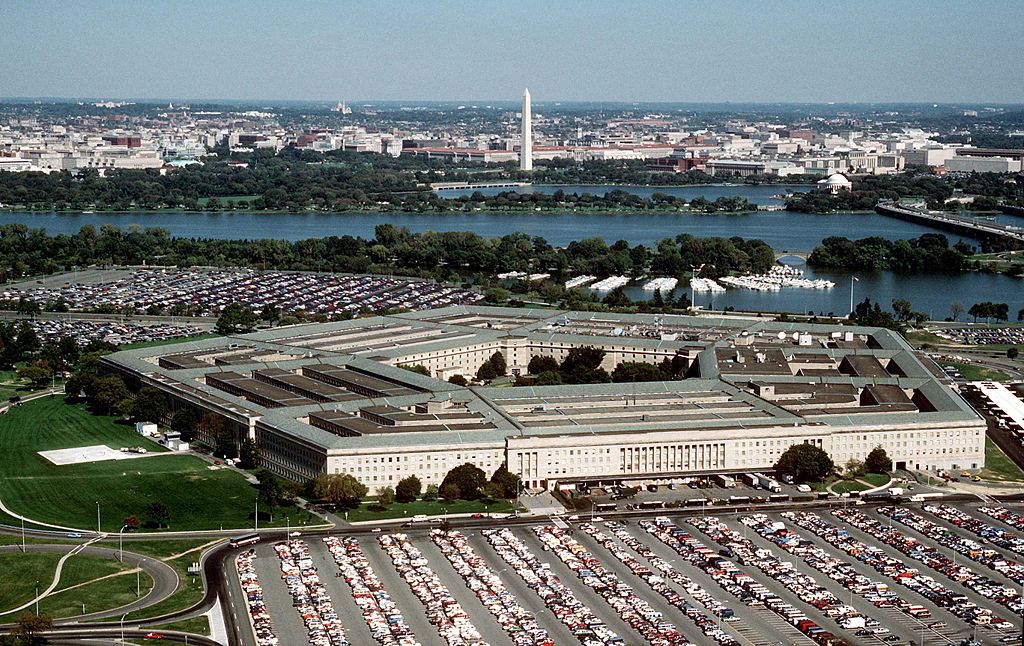
U.S. military officials involved in President Donald Trump’s expanding operations across Latin America have reportedly been asked to sign non-disclosure agreements (NDAs), according to three U.S. officials speaking to Reuters. The move is raising concerns in Washington over secrecy surrounding a buildup that Venezuela fears could signal an impending invasion.
The unusual use of NDAs — beyond standard military confidentiality requirements — coincides with growing unease among lawmakers who say they are being excluded from key mission details. While the Defense Department has occasionally used NDAs since Pete Hegseth became defense secretary in January, their application specifically to Latin American operations marks a significant shift in Pentagon protocol.
Last week, the Pentagon announced the deployment of the Gerald Ford aircraft carrier group to the region, intensifying what experts describe as a buildup far exceeding any need for counter-narcotics missions — the official rationale. Since early September, the U.S. has launched at least 13 strikes against alleged drug-trafficking vessels, mainly in the Caribbean, killing about 57 individuals from Venezuela, Colombia, and Ecuador.
The buildup now includes guided missile destroyers, F-35 jets, a nuclear submarine, and around 16,500 troops. Critics argue the scale of force points to a broader strategic objective rather than drug enforcement. Hegseth has further tightened information control at the Pentagon, requiring staff to obtain clearance before speaking with Congress and implementing stricter press access policies.
Trump’s administration continues to accuse Venezuela and Colombia of deep involvement in the drug trade — claims both nations deny. Senator Lindsey Graham suggested Trump may soon reveal potential military plans for both countries, insisting the president already possesses full authority to act.
As tensions rise, experts warn the combination of secrecy, aggressive rhetoric, and massive troop deployment could signal a volatile new phase in U.S.-Latin American relations.







