


 U.S. Accuses Chinese AI Firms of Extracting Model Capabilities
  Flavio Bolsonaro Rallies Brazil Opposition Ahead of Election
  US Forces Destroy Five Iranian Oil Tankers After Missile Attacks
  Trump Hails AfD Election Win, Blames Germany Immigration Rules
  Japanese Yen Nears Seven-Month High as Oil Approaches $100
  UK House Prices Fall for First Time Since 2023
  Russia Seeks to Claw Back Soldier Bonuses After Crimes
  Iran Strikes U.S.-Used Jordan Base as Gulf War Escalates
  South Korea GDP Surges on Chip and AI Boom
  Hungary Industrial Output Beats Forecasts With 4.7% July Growth
  U.S. Envoy Warns Taiwan Conflict Could Devastate Global Economy
  SEC Seeks ISS Client Voting Records in Proxy Adviser Probe
  Merz Rejects AfD Alliance After Saxony-Anhalt Surge
  U.S. Issues Cuba Health Alert as Illnesses Rise
  Iran Allows Iraqi Oil Tankers Through Strait of Hormuz
  Trump Targets 1,000 U.S. Space Launches Annually by 2030
  US Stock Futures Mixed as Fed Rate Hike Bets Rise


 Add as a preferred source on Google
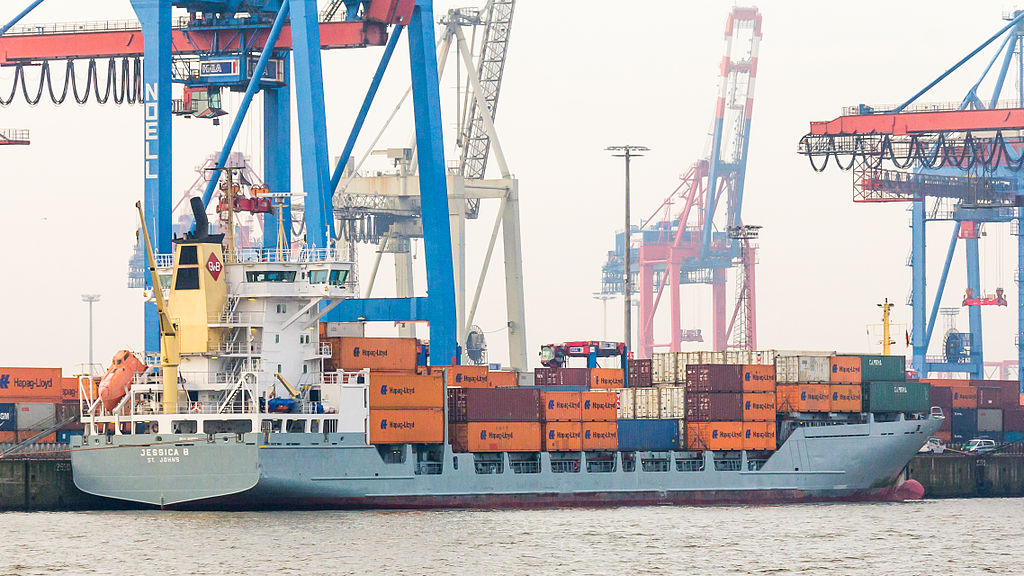
The U.S. is set to impose fees on Chinese-made ships entering its ports and introduce tax incentives to revive domestic shipbuilding, aiming to curb China’s influence over the $150 billion global shipping industry. A draft executive order by President Donald Trump outlines an 18-point plan, including a Maritime Security Trust Fund and tax credits to boost U.S. shipbuilding.
The White House is establishing an office within the National Security Council to coordinate efforts in strengthening the maritime industrial base. Trump's initiative has garnered bipartisan support, with Jake Sullivan, former national security adviser under Joe Biden, acknowledging China's unfair trade practices as a major threat to U.S. shipbuilding.
Decades of Chinese market dominance and dwindling U.S. naval readiness have raised concerns among lawmakers. The Biden administration’s recent trade probe found that China employs unfair practices to control the sector. The U.S. Trade Representative's office has proposed charging up to $1.5 million per Chinese-built vessel entering American ports.
Trump also celebrated BlackRock's acquisition of most of Hong Kong’s CK Hutchison’s $22.8 billion ports business, securing control over key Panama Canal ports. His administration aims to reclaim strategic maritime assets from Chinese ownership.
Additionally, bipartisan legislation has been reintroduced to monitor China’s port expansion globally. The draft plan also mandates a review of government procurement, wage increases for nuclear shipyard workers, and an Arctic security strategy.
Michael Wessel, a long-time advocate for revitalizing U.S. industry, emphasized the urgency of investing in supply chains and workforce development. "We can still lead industrially, but we must act now," he said.
With increasing bipartisan backing, the U.S. is ramping up efforts to regain its competitive edge in maritime industries and safeguard national security.







