


 Alcohol is one of the most dangerous drugs, yet its presence is ubiquitous in social settings and celebrations
  New Zealand Labour Backs Social Media Ban for Under-16s
  U.S. Issues Cuba Health Alert as Illnesses Rise
  SEC Proposes ‘Regulation Crypto Assets’ Framework for Crypto Fundraising
  Russia Eyes Putin-Trump-Xi Trilateral Meeting at China APEC Summit
  Moderna Wins FDA Approval for mFLUSIVA mRNA Flu Vaccine for Adults 50+
  Trump Imposes New US Tariffs on Drone Imports Over National Security Concerns
  Guatemala Receives 2,300 Mexicans Deported From US
  Pacific Leaders Raise Alarm Over China Missile Test as Nauru Dissents
  France Targets Shein, Temu With Fast-Fashion Fees
  Hanmi Pharm Soars 30% on $2.3 Billion Genentech Obesity Drug Deal
  Trump Administration Bars U.S. Travelers From Congo Flights Amid Ebola Outbreak
  SEC Sues Former Tricolor Executives Over $1.9 Billion Investor Fraud Scheme
  US-Backed Pediatric HIV Treatment Drops After Foreign Aid Changes, Study Finds
  Iran Vows Tougher Response as U.S. Sanctions Squeeze Economy
  Mexico Morena Lawmaker Zenyazen Escobar Found Dead in Veracruz
  Iran Allows Iraqi Oil Tankers Through Strait of Hormuz


 Add as a preferred source on Google
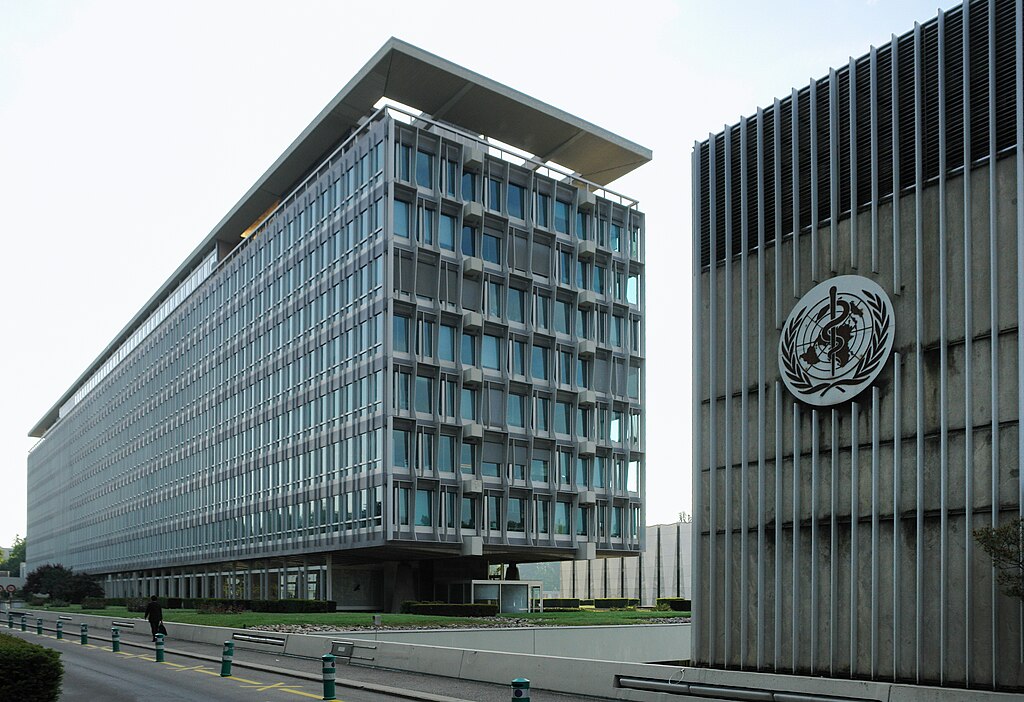
In a joint statement on Tuesday, U.S. Health and Human Services Secretary Robert F. Kennedy Jr. and Argentine Health Minister Mario Lugones announced their countries’ withdrawal from the World Health Organization (WHO), criticizing its handling of the COVID-19 pandemic. The two leaders cited the organization's "structural and operational shortcomings" and called for a new international health model centered on scientific integrity, national sovereignty, and transparency.
Kennedy, during his visit to Buenos Aires, met with Argentine President Javier Milei to discuss future health cooperation between the two nations and the development of what he called an “alternative international health system.” The meeting underscores a growing alliance between the U.S. and Argentina in rethinking global health governance.
The U.S. exit follows an executive order from President Donald Trump, issued early in his second term, directing the withdrawal from WHO within a year. Trump had previously criticized the agency for alleged political bias and disproportionate U.S. financial contributions, despite the country being its largest donor. Sources revealed that the administration was open to remaining in the WHO if significant reforms were implemented, including the appointment of a U.S. director-general.
Argentina had already confirmed its departure from the WHO back in February. Tuesday’s joint declaration signals a coordinated move to challenge the status quo in global health policy, with both nations advocating for a system less influenced by international politics and more focused on accountability and scientific leadership.
This unprecedented move could reshape international health dynamics, as two major countries chart a new course away from traditional institutions and toward sovereign-driven collaboration.







