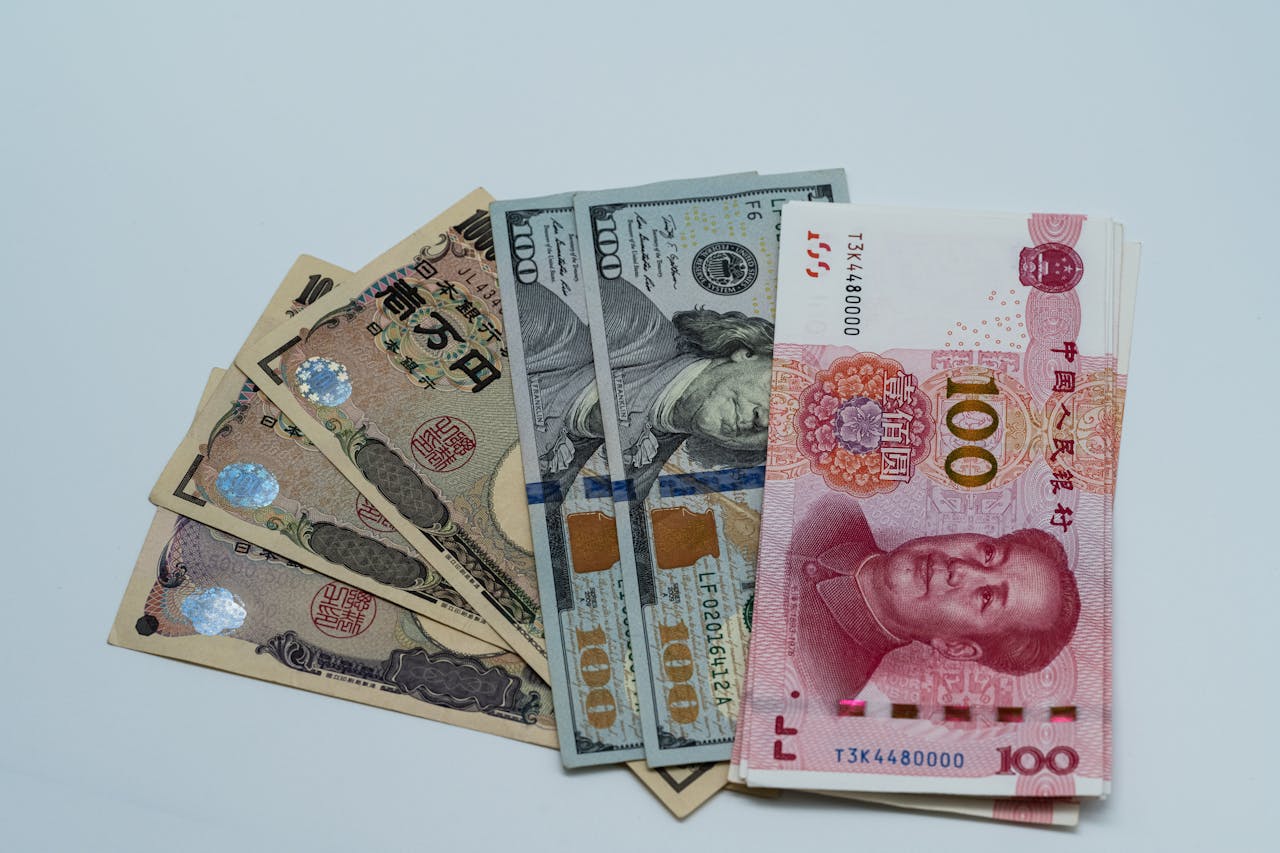
U.S. Treasury Secretary Scott Bessent and Japan’s Finance Minister Katsunobu Kato agreed that the current dollar-yen exchange rate aligns with market fundamentals, according to a statement from the U.S. Treasury Department on Wednesday. This rare, explicit remark follows speculation that Washington might pressure Tokyo to let the yen appreciate to help U.S. exports.
The officials met during the G7 finance ministers’ summit in Banff, Canada. Their agreement that exchange rates should be “market determined” suggests continued cooperation despite ongoing U.S. concerns about trade imbalances. President Donald Trump has repeatedly criticized Japan for allegedly keeping the yen weak to gain a trade edge, fueling market expectations of future currency-related pressure.
Although the U.S. Treasury emphasized that no discussions on exchange rate levels occurred—echoing their April meeting—Kato offered a more cautious response. At a press conference, he stated that he did not discuss specific rate levels, only that exchange rates should be set by the market.
The dollar briefly spiked to 144.40 yen following the U.S. statement, but the lack of a strong confirmation from Japan pulled it back below 143.50 yen. The yen, seen as a safe-haven asset, has already strengthened nearly 9% this year amid global uncertainties and U.S. tariff policies.
While Japan and the U.S. have agreed to exclude currency issues from trade negotiations, a weaker yen remains a domestic concern for Japan, driving up import prices and inflation. Kato also noted that he did not discuss Japan’s $1 trillion in U.S. Treasuries during the meeting, despite earlier comments that hinted they could be a potential leverage point in trade talks.