


 Countries Tighten Social Media Bans for Children
  European Stocks Flat as Iran Tensions, ECB Rate Hike Loom
  Iran Plans New Gulf Restricted Zone as Hormuz Tensions Push Oil Higher
  SEC Probes Banks Over Situational Awareness Hedge Fund Collapse
  China Boosts Gold Reserves by 650,000 Ounces as Prices Rally
  US Bans Canadian Alcohol, Motorcycles as Trade War Escalates
  Hungary Industrial Output Beats Forecasts With 4.7% July Growth
  Iraq Seeks 6 Million Bpd OPEC+ Oil Quota
  UK Food Inflation Forecast to Hit 6.4% by Mid-2027
  U.S. Issues Cuba Health Alert as Illnesses Rise
  Trump Administration Removes Confederate Memorial Criticism From Arlington Website
  Iran Vows Tougher Response as U.S. Sanctions Squeeze Economy
  Google Changes EU Spam Policy Amid Antitrust Scrutiny
  Asian Stocks Mixed as Korean Chipmakers Rally
  Gold Prices Rise as Yen Rally Weakens Dollar
  Guatemala Receives 2,300 Mexicans Deported From US
  US Stock Futures Mixed as Fed Rate Hike Bets Rise


 Add as a preferred source on Google
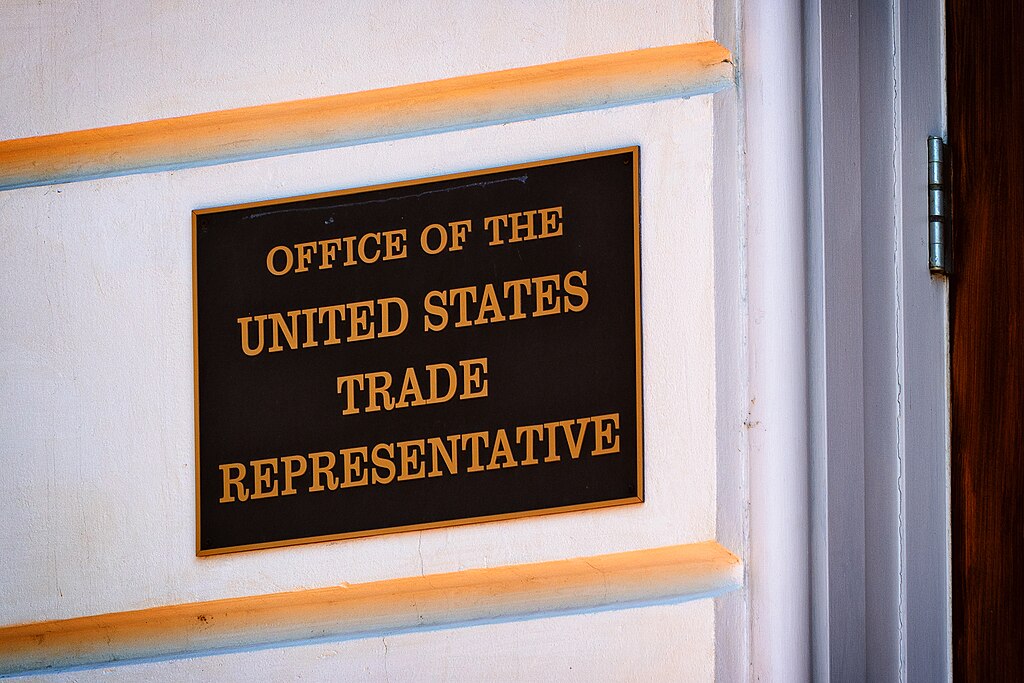
The U.S. Trade Representative (USTR) has revised its fee policy on non-U.S.-built LNG tankers and car carriers, softening measures originally aimed at countering China's maritime influence and reviving the domestic shipbuilding industry.
The updated proposal, announced Friday, eliminates penalties for LNG exporters failing to use U.S.-built ships and lowers port fees for foreign-built car carriers. Vessels serving the U.S. military and those in the Maritime Security Program (MSP) are now exempt. This move comes after industry backlash to USTR’s April announcement requiring LNG exporters to transport 1% of shipments on U.S.-built vessels by 2029, rising to 15% by 2047.
The revised car carrier fee drops significantly—from $150 per vehicle capacity to $14 per net ton. The changes follow strong criticism from both the LNG and vehicle shipping sectors, who said the initial rules blindsided them. The American Petroleum Institute welcomed the revisions, calling them “a step in the right direction” for ensuring U.S. LNG remains competitive globally.
USTR had previously exempted ships carrying U.S. exports and those serving the Great Lakes, Caribbean, and U.S. territories. Now, exemptions have been extended to U.S.-flagged, U.S.-crewed RoRo ships under the MSP, including operators like American Roll-On Roll-Off Carrier Group.
These port fees, originally targeting China-linked vessels, had also impacted ships from other countries not involved in the USTR’s fast-track probe of Chinese maritime dominance. Stakeholders, who were previously denied a chance to comment, have until July 7 to provide feedback on the revisions.
The new rules continue to reference “non-U.S.-built” ships, highlighting ongoing efforts to steer more trade toward U.S. maritime assets without disrupting critical supply chains.







