


 US Officials Meet Houthis in Oman Amid Yemen Offensive
  FCC Approves Foreign Investment in $110B Paramount-Warner Bros. Deal
  Japan, U.S. Discuss $19 Billion GlobalFoundries Chip Plant
  Who should own the knowledge that underpins AI technology?
  France Targets Shein, Temu With Fast-Fashion Fees
  Google Changes EU Spam Policy Amid Antitrust Scrutiny
  US Confirms Weapons in Orbit as Space Tensions Rise
  Australia Tightens Student Visa Rules, Targets Migration Cut by 2028
  Saudi Arabia Shuts East-West Oil Pipeline After Drone Attack
  Trump Says US Army Base in Poland Talks Make Progress
  Australia Plans New Rules Giving Users Control Over Social Media Feeds
  Venezuela Nears Deal to Move $4 Billion in Gold to New York Fed
  US-China Experts Push AI Nuclear Safeguards to Prevent Military Escalation
  US Delegation Visits Myanmar, Secures Release of American Adam Castillo
  U.S. Imposes New Visa Restrictions Over South Africa Policies
  Trump Administration Removes Confederate Memorial Criticism From Arlington Website
  FAA Allows Boeing to Sell 35 More 777F Freighters Beyond 2028


 Add as a preferred source on Google
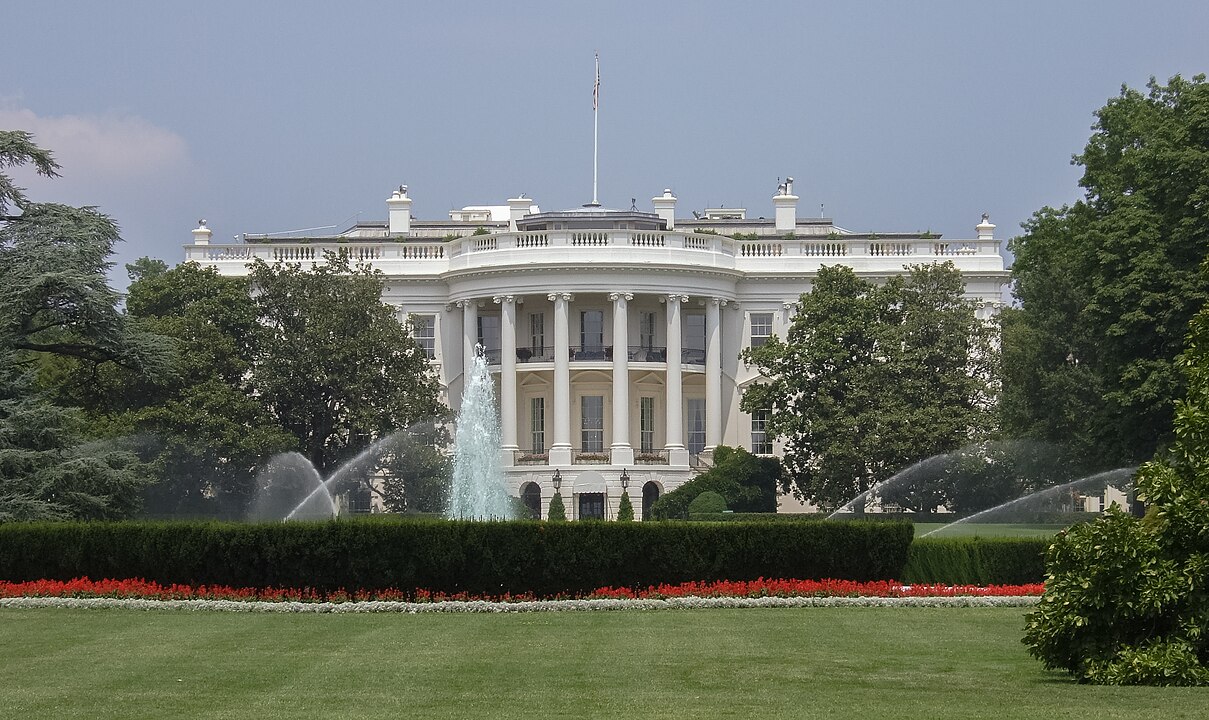
The White House is negotiating with several U.S. universities, including Harvard, Cornell, Duke, Northwestern, and Brown, over fines related to alleged failures in addressing antisemitism on campus. According to a Trump administration official, federal funding for these schools remains suspended and could be restored in exchange for financial penalties and compliance agreements.
The official, who requested anonymity, indicated that deals with Northwestern and Brown are close to being finalized, with Cornell potentially next. Harvard, the nation’s oldest and wealthiest university, is reportedly a priority target for the administration.
This move is part of a broader campaign by President Donald Trump to use federal funding as leverage against what he describes as pervasive antisemitism and “radical left” ideologies within higher education. The crackdown intensified following pro-Palestinian student protests that swept campuses nationwide last year.
Columbia University recently reached a $200 million settlement with the administration, resolving federal investigations and restoring most of its suspended funding. Officials view the Columbia agreement as a benchmark for other universities facing similar scrutiny.
While some institutions are negotiating settlements, Harvard has taken legal action, filing a lawsuit against the federal government to recover its suspended grants rather than paying fines.
The targeted universities, including Cornell, declined to comment or did not respond to media inquiries. The administration’s aggressive stance underscores its intent to reshape how universities handle antisemitism complaints, potentially influencing broader U.S. higher education policies.
This development adds to ongoing tensions between the federal government and elite universities, with financial penalties and funding restoration emerging as central points in the debate over campus free speech, antisemitism, and political activism.







