


 Hims & Hers Shares Fall as GLP-1 Costs Widen Q2 Loss
  New York Declares Measles Disaster Emergency as Cases Surge
  Moderna Wins FDA Approval for mFLUSIVA mRNA Flu Vaccine for Adults 50+
  FDA Weighs Safety Standards for Psychedelic Therapies
  Novo Nordisk Raises 2025 Outlook Despite Wegovy Pill Miss and CagriSema Setback
  US-Backed Pediatric HIV Treatment Drops After Foreign Aid Changes, Study Finds
  3 clinical-grade skincare creams you really shouldn’t buy online
  GLP-1 Weight-Loss Drug Use Surges Among U.S. Children
  Trump Signs Order to Cut Routine Childhood Vaccines
  Trump Administration Bars U.S. Travelers From Congo Flights Amid Ebola Outbreak
  GSK Unveils $2.52 Billion Cost-Cutting Plan to Accelerate Drug Pipeline
  Venezuela Earthquake Health Risks Rise as Disease Monitoring Intensifies
  AstraZeneca, Bristol Myers Squibb Explore Mega Merger Worth Nearly $400 Billion
  Hanmi Pharm Soars 30% on $2.3 Billion Genentech Obesity Drug Deal
  Hengrui Shares Rise on $2.6 Billion Novo Nordisk Obesity Drug Deal


 Add as a preferred source on Google
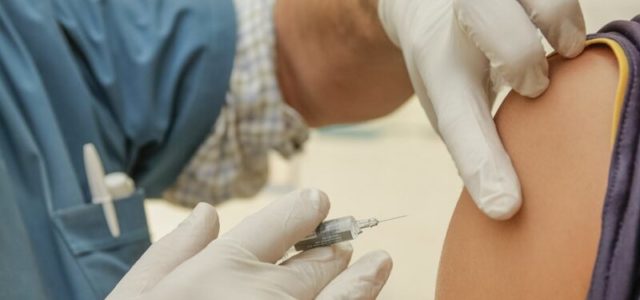



COVID-19 vaccination is rolling out across Australia. So health authorities are keen to dispel myths about the vaccines, including any impact on COVID testing.
Do the vaccines give you COVID, or make you test positive for COVID? Does the vaccine affect other tests? Do we still need to get COVID tested if we have symptoms, even after getting the shot? And will we still need COVID testing once more of the population gets vaccinated?
We look at the evidence to answer five common questions about the impact of COVID vaccines on testing.
1. Will the vaccine give me COVID?
The short answer is “no”. That’s because the vaccines approved for use so far in Australia and elsewhere don’t contain live COVID virus.
The Pfizer/BioNTech vaccine contains an artificially generated portion of viral mRNA (messenger ribonucleic acid). This carries the specific genetic instructions for your body to make the coronavirus’s “spike protein”, against which your body mounts a protective immune response.
The AstraZeneca vaccine uses a different technology. It packages viral DNA into a viral vector “carrier” based on a chimpanzee adenovirus. When this is delivered into your arm, the DNA prompts your body to produce the spike protein, again stimulating an immune response.
Any vaccine side-effects, such as fever or feeling fatigued, are usually mild and temporary. These are signs the vaccines are working to boost your immune system, rather than signs of COVID itself. These symptoms are also common after routine vaccines.
2. Will the COVID vaccine make me test positive?
No, a COVID vaccine will not affect the results of a diagnostic COVID test.
The current gold-standard diagnostic test is known as nucleic acid PCR testing. This looks for the mRNA (genetic material) of SARS-CoV-2, the virus that causes COVID-19. This is a marker of current infection.
This is the test the vast majority of people have when they line up at a drive-through testing clinic, or attend a COVID clinic at their local hospital.
Yes, the Pfizer vaccine contains mRNA. But the mRNA it uses is only a small part of the entire viral RNA. It also cannot make copies of itself, which would be needed for it to be in sufficient quantity to be detected. So it cannot be detected by a PCR test.
The AstraZeneca vaccine also only contains part of the DNA but is inserted in an adenovirus carrier that cannot replicate so cannot give you infection or a positive PCR test.
3. How about antibody testing?
While PCR testing is used to look for current infection, antibody testing — also known as serology testing — picks up past infections.
Laboratories look to see if your immune system has raised antibodies against the coronavirus, a sign your body has been exposed to it. As it takes time for antibodies to develop, testing positive with an antibody test may indicate you were infected weeks or months ago.
So as COVID vaccines are rolled out, and people develop a vaccine-induced antibody response, it may become difficult to differentiate between someone who has had COVID in the past and someone who was vaccinated a month ago. But this will depend on the serology test used.
The good news is that antibody testing is not nearly as common as PCR testing. And it’s only ordered under limited and rare circumstances.
For instance, when someone tests positive with PCR, but they are a false positive due to the characteristics of the test, or have fragments of virus lingering in the respiratory tract from an old infection, public health experts might request an antibody test to see whether that person was infected in the past. They might also order an antibody test during contact tracing of cases with an unknown source of infection.
4. If I get vaccinated, do I still need a COVID test if I have symptoms?
Yes, we will continue to test for COVID as long as the virus is circulating anywhere in the world.
Even though the COVID vaccines are looking promising in preventing people from getting seriously sick or dying, they won’t provide 100% protection.
Real-world data suggests some vaccinated people can still catch the virus, but they usually only get mild disease. We are unsure whether vaccinated people will be able to potentially pass it to others, even if they don’t have any symptoms. So it’s important people continue to get tested.
Furthermore, not everyone will be eligible to receive a COVID-19 vaccine. For instance, in Australia, current guidelines exclude people under 16 years of age, and those who are allergic to ingredients in the vaccine. And although pregnant women are not ruled out from receiving the vaccine, it is not routinely recommended. This means a proportion of the population will remain susceptible to catching the virus.
We also are unsure about how effective vaccines will be against emerging SARS-CoV-2 variants. So we will continue to test to ensure people are not infected with these strains.
We know testing, detecting new cases early and contact tracing are the core components of the public health response to COVID, and will continue to be a priority from a public health perspective.
Minimum numbers of daily COVID tests are also needed so we can be confident the virus is not circulating in the community. As an example, New South Wales aims for 8,000 or more tests a day to maintain this peace of mind.
Continued vigilance and high rates of testing for COVID will also be important as we enter the flu season. That’s because the only way to differentiate between COVID and influenza (or any other respiratory infection) is via testing.
5. Will testing for COVID stop as time goes on?
It is unlikely our approach to COVID testing will change in the immediate future. However, as COVID vaccines are rolled out and since COVID is likely to become endemic and stay with us for a long time, the acute response phase to the pandemic will end.
So COVID testing may become part of managing other infectious diseases and part of how we respond to other ongoing health priorities.







