


 Trump Denies China, Russia Are Helping Iran in War
  Netanyahu Rejects Preemptive Iran Strike Ahead of Israel Election
  China Warns Taiwan Over South China Sea Coast Guard Incident
  Trump Warns Houthis Over Attacks, Considers Erdogan Intervention
  Trump Confirms US Intelligence Sharing With Ukraine Amid Russian Strikes
  SpaceX Starlink Restrictions Disrupt Ukraine Military Operations
  US Condemns China Sanctions on Taiwan Allies Belize and Paraguay
  Zelenskiy Seeks New US Talks to Revive Ukraine-Russia Peace Negotiations
  MI5 Warns of Rising Iran, Russia Threats and AI Bioweapon Risks
  Elon Musk Donates $366 Million to 2026 US Midterms
  Container Ship Sinks in Strait of Hormuz as Iran Attacks Escalate
  China Resumes US Soybean Purchases After Trump-Xi Summit
  Most Americans Oppose Election Betting on Prediction Markets, Poll Finds
  Flavio Bolsonaro Backs Brazil’s 40-Hour Workweek Reform Ahead of Runoff
  FBI Denies Report of Kash Patel’s Russia Visit
  US Senate Midterms 2026: Key Races That Could Flip Control
  Kim Jong Un Showcases ICBM Ahead of Possible Trump Meeting


 Add as a preferred source on Google
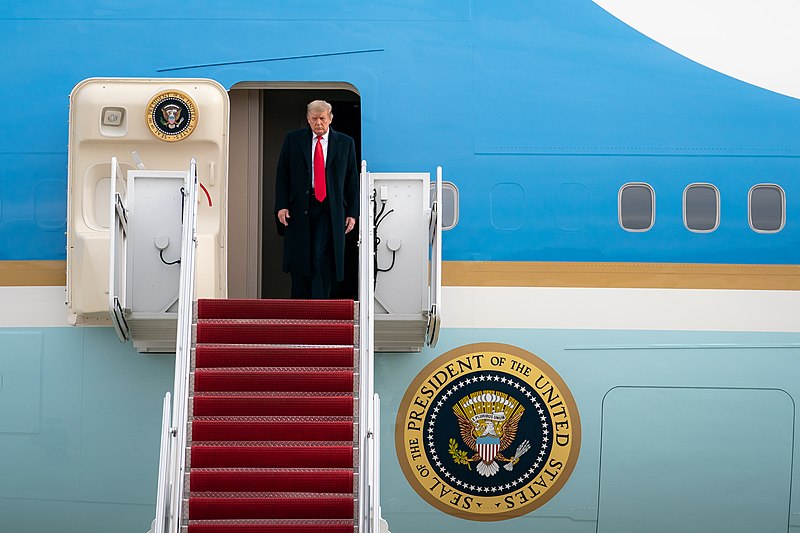
Donald Trump now only has less than 20 days left until he officially has to leave the White House. However, with his insistence to overturn the election results in his favor, 10 former Pentagon Secretaries have now spoken out.
All 10 living former Defense Secretaries, both Democrat, and Republican signed onto an op-ed piece that was published over the weekend by the Washington Post warning Trump not to involve the military in his push for pursuing his claims of voter fraud. Despite having been refuted many times over, Trump continues to insist that election misconduct occurred without providing any evidence. The lawsuits challenging election results in swing states have also been widely unsuccessful, even the lawsuits turned to the Supreme Court. In the piece, they questioned Trump’s capability to ensure a peaceful handover of power to the next administration.
They also issued a warning against involving the military to change the results of the elections. “Efforts to involve the US armed forces in resolving election disputes would take us into dangerous, unlawful, and unconstitutional territory,” they wrote in the piece. “Civilian and military officials who direct or carry out such measures would be accountable, including potentially facing criminal penalties, for the grave consequences of their actions on the republic.”
The former Secretaries that signed were Dick Cheney, William Perry, Mark Esper, Jim Mattis, William Cohen, Donald Rumsfield, Robert Gates, Leon Panetta, Chuck Hagel, and Ash Carter. Esper is the latest former Defense Secretary who succeeded Mattis in the Trump administration but was dismissed prior to the elections. Their op-ed piece also comes as more military officials have spoken against the possible involvement of the military in Trump’s efforts to overturn the election.
At the same time, Trump has found himself at odds with both Congress and Senate leadership as the days of his presidency dwindle. After vetoing the NDAA bill that received a bipartisan pass from both the House and the Senate, Congress voted to override his veto by passing the bill again. Trump had also warned his GOP colleagues not to override his veto, a move that was made anyway.
Trump vetoed the bill due to the fact that once it is passed, the names of military bases that were named after Confederate generals would be stripped down and changed.







