


 FBI Denies Report of Kash Patel’s Russia Visit
  US Justice Department Drops Prosecution of Ex-CIA Analyst Sue Mi Terry
  Jordan Bardella Antisemitism Allegations Threaten Le Pen’s Campaign
  Zelenskiy Says Ukraine Received No Warning Before Russian Missile Attack
  Kim Jong Un Showcases ICBM Ahead of Possible Trump Meeting
  US Supreme Court Denies Release of Anti-ICE Activist Kyle Wagner
  Zelenskiy Says Trump’s Support for Russia Is ‘Painful’
  Container Ship Sinks in Strait of Hormuz as Iran Attacks Escalate
  Elon Musk Donates $366 Million to 2026 US Midterms
  UN Urges Talks on Lebanon Peacekeeping Mission Extension
  US Senate Midterms 2026: Key Races That Could Flip Control
  IMF Warns US Debt Crisis Needs Fiscal Action, Urges China to Boost Consumption
  Flavio Bolsonaro Backs Brazil’s 40-Hour Workweek Reform Ahead of Runoff
  China Warns Taiwan Over South China Sea Coast Guard Incident
  Zelenskiy Seeks New US Talks to Revive Ukraine-Russia Peace Negotiations
  Trump Confirms US Intelligence Sharing With Ukraine Amid Russian Strikes


 Add as a preferred source on Google
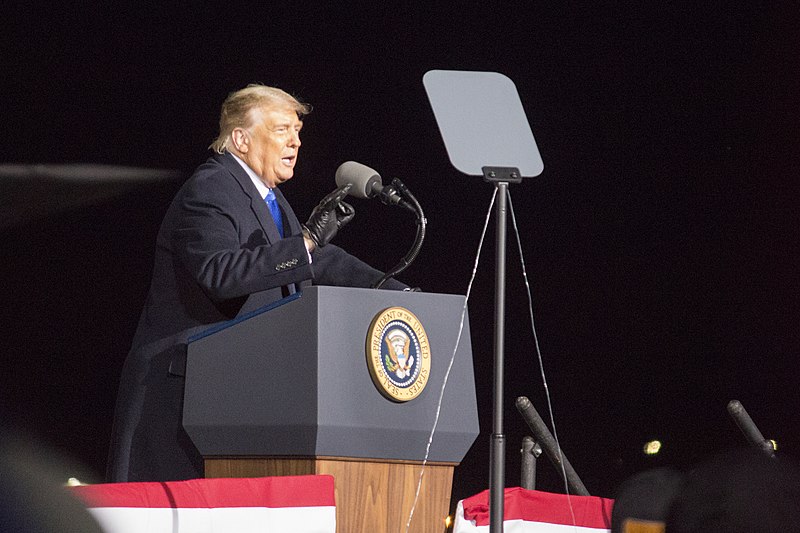
To this day, former President Donald Trump and his allies continue to spread claims of election or voter fraud that led to the Capitol insurrection last January 6. The Supreme Court has now ultimately rejected the lawsuits filed by Trump and his allies to contest the election results.
On Monday, the Supreme Court rejected a number of cases that were related to the recent elections. This also included the disputes from Pennsylvania that caused a divide among the justices prior to the election. The cases that were rejected involved the contention of results by the now-former president and his allies in the five states that went to Joe Biden: Pennsylvania, Georgia, Michigan, Nevada, and Wisconsin. Aside from the two Pennsylvania disputes, the judges ultimately declined to hear the cases, putting an end to the months of legal disputing. The Supreme Court previously did not take any action on the cases and turned away requests to fast-track the cases in January.
With regards to the Pennsylvania disputes, three of the nine justices said that they would have heard the case. Nevertheless, this would not affect the outcome of the elections. Biden won the elections with 306 electoral votes while Trump has 232 electoral votes. Justice Clarence Thomas called the rejected cases an opportunity to address the question of whether state lawmakers or state courts get the final say in how federal elections are carried out.
“We failed to settle this dispute before the election, and thus provide clear rules. Now we again fail to provide clear rules for future elections. The decision to leave election law hidden beneath a shroud of doubt is baffling. By doing nothing, we invite further confusion and erosion of voter confidence,” wrote Justice Thomas.
Trump’s continuous assertions of a stolen election incited the Capitol riots that resulted in his impeachment by the House for a second time before leaving the White House on January 20. The now-former president’s impeachment was decided on by a bipartisan vote, with 10 Republican Representatives joining their Democratic counterparts. Among those Republicans was Liz Cheney, the number three Republican in the House.
Cheney once again doubled down on her criticism of Trump for inciting the riots. Speaking at a foreign policy event hosted by the Ronald Reagan Presidential Foundation and Institute, Cheney reiterated her comments from when she voted to impeach, saying that what happened on January 6 must not be repeated.







