


 Iran Strikes U.S.-Used Jordan Base as Gulf War Escalates
  Trump Hails AfD Election Win, Blames Germany Immigration Rules
  China Inflation Accelerates in August as CPI, PPI Rise
  Texas Republicans Turn Against AI Data Centers as Election Backlash Grows
  Japan, U.S. Stay Aligned on Yen as Currency Surges
  Merz Rejects AfD Alliance After Saxony-Anhalt Surge
  Hormuz Shipping Slows as Iran Threats Lift Oil Risks
  Trump Orders Reduction in U.S.-South Korea Military Drills, Citing Kim Jong Un Ties
  Asian Stocks Mixed as Korean Chipmakers Rally
  US Resumes Immigrant Visa Processing for Hungary, Poland
  U.S. Envoy Warns Taiwan Conflict Could Devastate Global Economy
  Canada Retaliatory Tariffs on U.S. Goods Take Effect
  U.S. Issues Cuba Health Alert as Illnesses Rise
  Iran Threatens US With ‘Economic Warfare’ as Gulf Tensions Rise
  South Korea GDP Surges on Chip and AI Boom
  U.S. Accuses Chinese AI Firms of Extracting Model Capabilities
  UK Food Inflation Forecast to Hit 6.4% by Mid-2027


 Add as a preferred source on Google
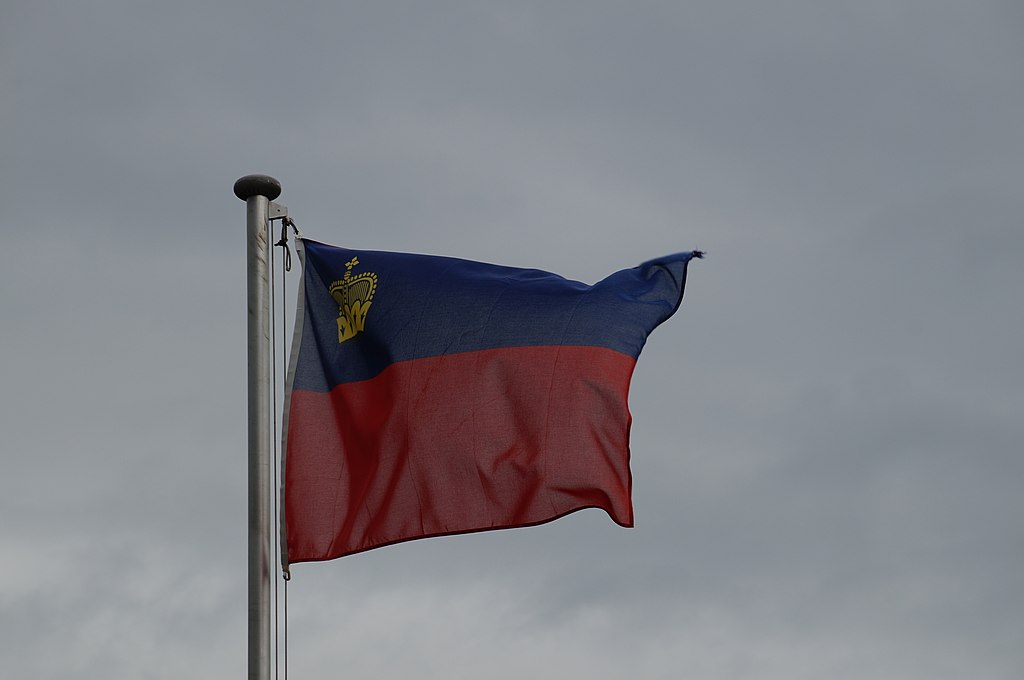
Liechtenstein is tightening oversight of hundreds of Russian-linked trusts left unmanaged after their directors resigned under mounting U.S. sanctions pressure. According to sources familiar with the matter, the small Alpine nation—known for its low-tax financial structures—is facing heightened scrutiny due to its historical role as a haven for foreign wealth.
Since Russia’s invasion of Ukraine, the U.S. Treasury has sanctioned several Liechtenstein-based trusts tied to Russian oligarchs, including Vladimir Potanin and Gennady Timchenko. Fearing similar penalties, many directors have stepped down from managing these entities, leaving nearly 475 trusts in administrative limbo.
A government official stated that 350 trusts are undergoing reappointment of managers, 40 are being liquidated, and efforts to appoint liquidators to 85 others have failed. While not all trusts are directly tied to sanctioned individuals, the mass resignations have immobilized significant assets, including luxury properties and yachts—assets that remain beyond Russia’s immediate reach.
This development strikes at the heart of Liechtenstein’s trust industry, a key pillar in its $930 billion financial sector. Local banks are also impacted, with concerns growing that U.S. action could sever access to dollar markets, triggering wider economic repercussions.
Liechtenstein, governed by a royal family and closely tied to Switzerland, is now considering centralizing oversight of deserted trusts and enhancing regulation. The move reflects ongoing U.S. pressure despite President Trump’s prior signals of potential sanctions relief. Authorities have assured that no trust assets will be released to blacklisted individuals.
Once home to 80,000 tax shelters, Liechtenstein now hosts about 20,000 trusts—roughly one for every two residents. The latest turmoil marks the nation’s biggest financial credibility challenge since a 2008 tax scandal involving LGT Bank. International cooperation and regulatory reform remain key to safeguarding its reputation.







