


 Trump Announces Massive Oil and Mineral Exploration Plans in Greenland
  Trump Denies Russia and China Are Helping Iran in U.S. Conflict
  US Justice Department Drops Prosecution of Ex-CIA Analyst Sue Mi Terry
  Most Americans Oppose Election Betting on Prediction Markets, Poll Finds
  China Warns Taiwan Over South China Sea Coast Guard Incident
  SpaceX Starlink Restrictions Disrupt Ukraine Military Operations
  Italy’s Meloni Warns US-Russia Diesel Deal Could Weaken Ukraine Sanctions
  Netanyahu Rejects Preemptive Iran Strike Ahead of Israel Election
  Trump Warns Houthis Over Attacks, Considers Erdogan Intervention
  MI5 Warns of Rising Iran, Russia Threats and AI Bioweapon Risks
  US Supreme Court Denies Release of Anti-ICE Activist Kyle Wagner
  US Senate Midterms 2026: Key Races That Could Flip Control
  Kim Jong Un Showcases ICBM Ahead of Possible Trump Meeting
  Elon Musk Donates $366 Million to 2026 US Midterms
  Container Ship Sinks in Strait of Hormuz as Iran Attacks Escalate
  Jordan Bardella Antisemitism Allegations Threaten Le Pen’s Campaign
  Gaza Olive Harvest Collapses as War Destroys Farmland


 Add as a preferred source on Google
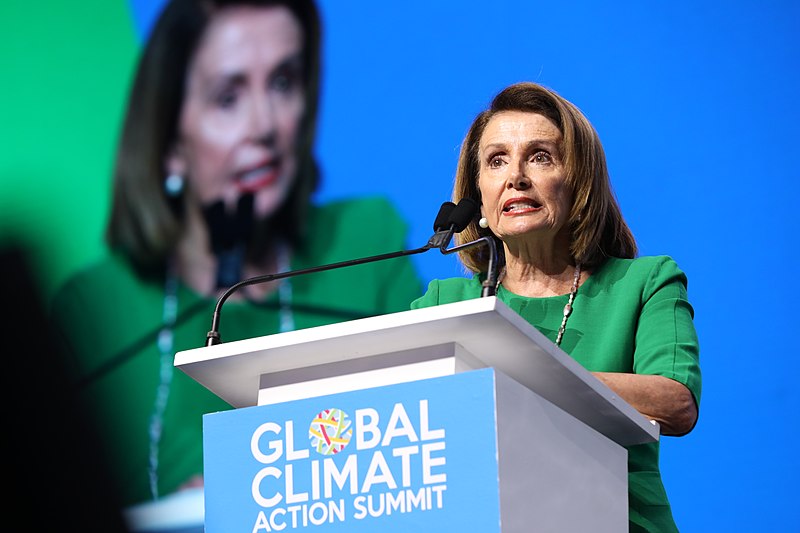
Congress is now targeting tech companies in several antitrust bills that would be passing through both the House and the Senate. A report by the New York Times revealed that Apple CEO Tim Cook called House Speaker Nancy Pelosi, urging her to slow down the passage of the bills.
The outlet reports that Cook personally lobbied Pelosi as part of the sector’s efforts to slow down new antitrust legislation. This comes as the House Judiciary Committee voted Wednesday regarding six new antitrust bills. The antitrust bills would target Apple, Google, Amazon, and Facebook, breaking up any market dominance the companies may have.
Cook told Pelosi over the phone that he believed the proposals were rushed and would hinder innovation, according to people familiar with the matter. Pelosi, however, pushed back on Cook’s claim and asked the Apple CEO to name two specific policy objections. The Apple CEO also spoke with several members of Congress on the phone, but the outlet did not reveal which lawmakers and how many members were spoken to.
Cook is not the only one who lobbied lawmakers against the passage of the bill. Amazon’s Vice President of Public Policy Brian Huseman released a statement Tuesday ahead of the vote saying that the bills would hurt small-business owners who sell their goods on Amazon. Google’s senior vice president for global affairs, Kent Walker, was also reported to have called lawmakers.
Meanwhile, Congress is also looking to pass President Joe Biden’s trillion-dollar infrastructure package, with a bipartisan proposal as one of the goals in making up the deal. However, Pelosi said that the House will not vote on a bipartisan infrastructure proposal until the Senate passes a larger package through reconciliation. This would allow the Democratic Party to pass the proposal without Senate Republican obstruction through the filibuster.
Pelosi’s comments are meant to assure progressive Democrats who fear that the bipartisan deal could hinder efforts to bring forward a larger package of priorities through budget reconciliation.
“Let me be really clear on this: We will not take up a bill in the House until the Senate passes the bipartisan bill and a reconciliation bill. If there is no bipartisan bill, then we’ll just go when the Senate passes a reconciliation bill,” said Pelosi at a press conference at the Capitol.







