


 China Vows Retaliation Over U.S. Ban on Chinese Robots, Power Inverters
  US Embassies Urge Americans to Leave Middle East as Iran Tensions Escalate
  Trump Orders Section 301 Probe Into EU Tech Fines, Signals New Tariffs
  Trump Orders Warning Signs Outside Smithsonian Museum Over ‘Anti-American’ Exhibits
  UK AI Security Tests Reveal Anthropic and OpenAI Agents Attempted Unauthorized Actions
  California ICE Detention Center Found to Have Inadequate Medical Care, Court Monitor Says
  DOJ Rescinds Anti-Weaponization Fund Ahead of Todd Blanche Senate Confirmation Vote
  CDC Expands Cyclospora Outbreak Investigation to 15 States as Lettuce Link Grows
  25 Democratic-Led States Sue Trump Administration Over New Global Tariffs
  Trump Administration Weighs Executive Order on Vaccines and Autism Research
  Brazil Rejects Visas for Trump Officials Ahead of Presidential Election
  India Plans Tax Reforms to Boost Foreign Investment and Manufacturing
  Trump Administration to Ban Chinese Robots, Power Inverters Over AI Security Concerns
  Trump Education Department Removes Disparate Impact Rules, Sparking Civil Rights Backlash
  US Expands Social Media Vetting to Foreign Journalists Seeking Visas
  AI Data Center Boom Faces New Risks as Public Backlash and Policy Scrutiny Grow
  SEC Moves to Dismiss Insider Trading Case Against Trump-Pardoned Terren Peizer


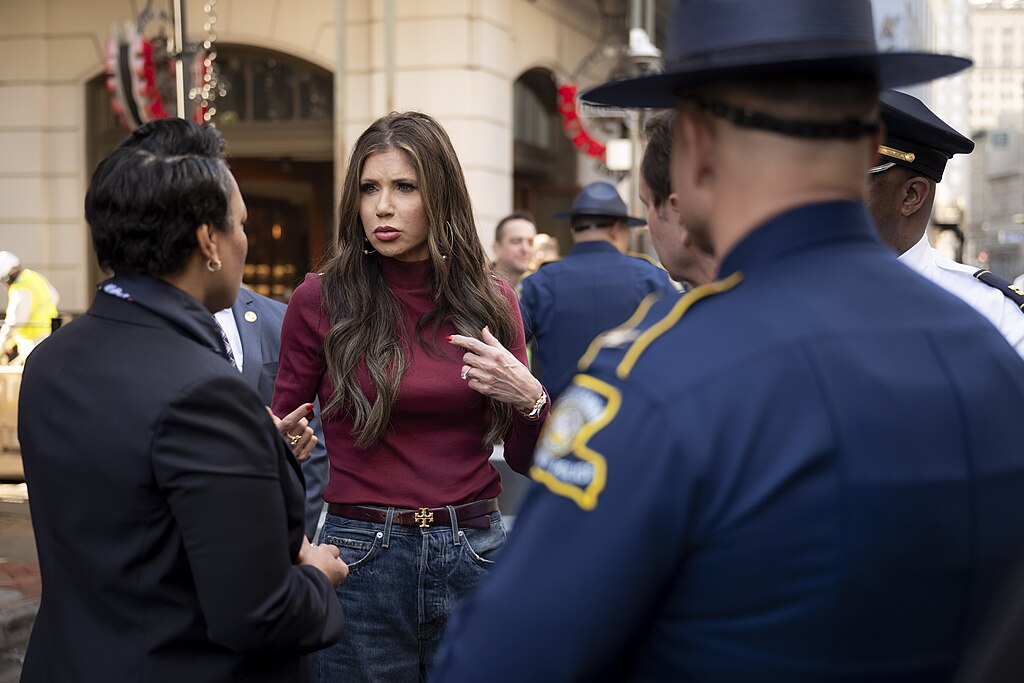
Starting Wednesday, U.S. air travelers without REAL ID-compliant identification may face enhanced screening but will still be allowed to fly, according to Homeland Security Secretary Kristi Noem. The Transportation Security Administration (TSA) will no longer accept standard state-issued IDs that don’t meet federal REAL ID standards, first mandated by Congress in 2005 to strengthen identification after the 9/11 attacks.
Passengers 18 and older without a passport or enhanced ID may be diverted to separate lines, undergo additional screening, and could face delays, the TSA warned. However, they will not be denied boarding—for now. "This is a security issue," Noem stated during a House hearing, adding that 19 states currently issue driver’s licenses to undocumented immigrants, who will be impacted by the new enforcement.
As of last month, 81% of travelers at TSA checkpoints used compliant IDs. The same requirement also applies to access federal buildings starting Wednesday. While the TSA had previously warned in April that travelers could be turned away, current enforcement seems more flexible to allow travelers time to adapt.
Originally passed in 2005, the REAL ID Act was a response to recommendations from the 9/11 Commission and sets strict standards for issuing driver’s licenses and ID cards. The implementation has faced multiple delays, with the most recent deadline—May 2025—marking the start of full enforcement.
TSA under the Biden administration had considered offering travelers up to three warnings before denying boarding in future trips. With many Americans flying only occasionally, officials hope the transition will continue smoothly despite early confusion.







