
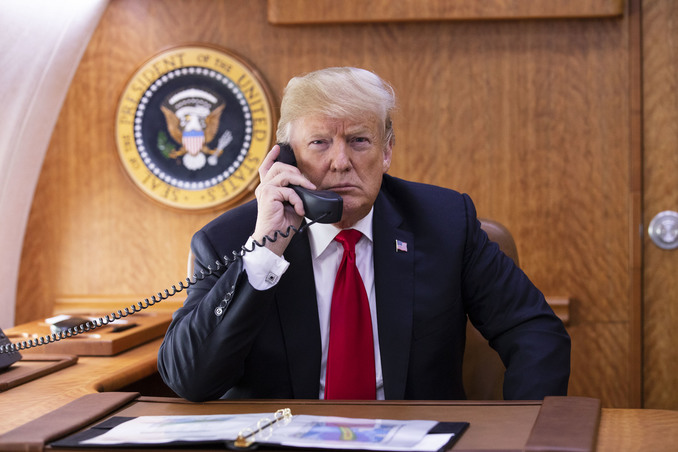
The Trump administration has initiated direct talks with Russia to end the war in Ukraine, a shift from previous U.S. efforts to isolate Moscow. The 4.5-hour meeting in Riyadh marked the first high-level U.S.-Russia discussion on halting the conflict, though Ukraine was excluded.
Russia reinforced its stance, demanding that Ukraine never join NATO. Trump, speaking in Florida, expressed optimism about potential peace talks and suggested a meeting with Putin before month’s end. "Russia wants to do something," he said, criticizing Ukraine for not engaging in talks sooner.
U.S. National Security Adviser Mike Waltz acknowledged that negotiations would involve discussions on territory and security guarantees. Secretary of State Marco Rubio noted that while Russia appeared open to talks, achieving peace would require compromises. Despite U.S. reassurances, Kyiv and European leaders insist that Ukraine must not be sidelined, with German Chancellor Olaf Scholz emphasizing that no deal should exclude Ukrainian approval.
Moscow, however, offered no concessions, and critics warn that Trump’s approach risks legitimizing Russia’s invasion. Some U.S. officials and European politicians fear the talks could result in a deal that favors Moscow and weakens Ukraine’s security. Rubio reassured European allies that negotiations would include them, yet concerns remain that Trump may seek a swift resolution at Ukraine’s expense.
Meanwhile, Russian Foreign Minister Sergei Lavrov rejected NATO peacekeepers in Ukraine, reinforcing Moscow’s firm stance. He also highlighted Russia’s interest in lifting economic sanctions, suggesting the potential for future U.S.-Russia economic partnerships.
The rapid diplomatic shift has sparked global concern that Trump’s engagement with Putin could sideline Ukraine and NATO allies while legitimizing Russia’s territorial gains. With no firm date set for further negotiations, uncertainty looms over the future of U.S. policy on Ukraine.


