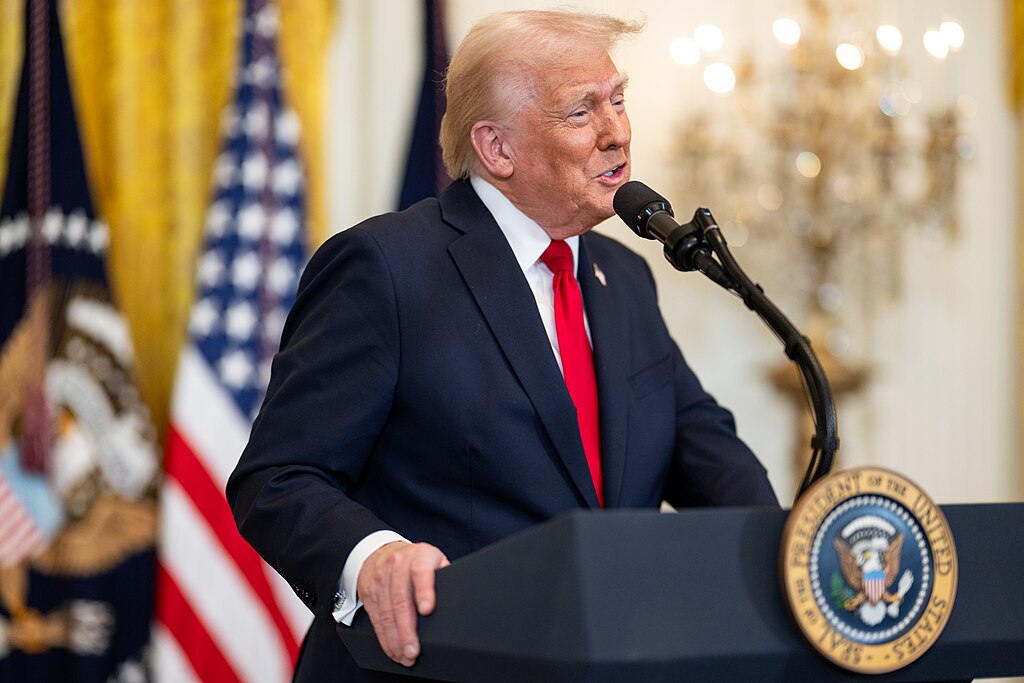
The Trump administration has petitioned the U.S. Supreme Court to authorize the deployment of National Guard troops to the Chicago area, escalating tensions between the federal government and Democratic-led states. The Justice Department asked the court to overturn a lower court ruling that blocked the deployment of hundreds of troops opposed by Illinois officials, arguing that federal agents face ongoing threats from protests against Trump’s immigration policies.
Federal lawyers claimed local authorities underestimated the risks, calling their assessment of demonstrations “implausibly rosy.” The Supreme Court has ordered Illinois and Chicago leaders to respond by Monday. Illinois Governor JB Pritzker condemned the move, saying Trump’s attempt to “militarize communities” was an attack on democracy and state sovereignty.
Trump previously sent National Guard troops to Los Angeles, Memphis, Washington, D.C., and Portland, Oregon, describing these Democratic cities as lawless and crime-ridden. Critics argue that the deployments are politically motivated, aimed at punishing adversaries rather than restoring order. Federal judges have repeatedly questioned the administration’s justification, finding little evidence of the “war zone” Trump described.
The legal dispute centers on Trump’s use of a federal law allowing the president to federalize National Guard troops only during rebellion or when regular forces cannot execute federal law. Judge April Perry of the Northern District of Illinois ruled that the administration’s claims of violence during protests were exaggerated, emphasizing that peaceful demonstrations should not be equated with riots. Her decision was upheld by a federal appeals court, which stated that the president’s actions were not supported by facts.
As legal challenges mount in Illinois and Oregon, Trump continues to push the boundaries of presidential authority, raising constitutional concerns over the use of military power on U.S. soil.