


 Judge Blocks Trump Rule Limiting Foreign Student Visas
  Yemen Fighting Threatens Red Sea Oil Routes
  Pentagon Restarts Testosterone Testing for US Troops
  U.S. Probes Apex Logistics Over Nvidia AI Chip Shipments to China
  Trump Hopes Iran War Nears End as Yemen Fighting Escalates
  Trump Eyes End to Iran War, Plans Gulf Leaders Meeting
  Who should own the knowledge that underpins AI technology?
  Google Changes EU Spam Policy Amid Antitrust Scrutiny
  Kim Yo Jong Warns of Stronger Response to US-Led Military Drills
  SEC Seeks ISS Client Voting Records in Proxy Adviser Probe
  US Resumes Immigrant Visa Processing for Hungary, Poland
  US Allies Fear Trump Could Soften Taiwan Stance in Xi Talks
  U.S. Imposes New Visa Restrictions Over South Africa Policies
  Trump Says US Army Base in Poland Talks Make Progress
  Trump Grants Clemency to Jay-Z Associate Emory Jones
  DOJ Will Investigate AI-Related Crimes, Attorney General Blanche Says


 Add as a preferred source on Google
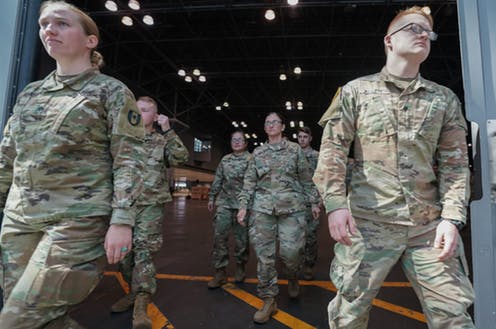
The U.S. National Guard is preparing to train hundreds of troops in every state to create specialized rapid-response forces capable of handling civil disturbances by early next year, according to two U.S. officials. The move aligns with President Donald Trump’s push to use the military to support domestic security operations, including deployments to cities such as Los Angeles, Portland, and Washington, D.C.
This initiative follows Trump’s executive order signed in August, directing each state to establish National Guard units ready to deploy quickly for “quelling civil disturbances and ensuring public safety.” The officials, speaking anonymously, said states would be required to form units of about 500 troops each by the start of next year. The Guardian first reported the implementation timeline, citing a National Guard memo dated October 8.
While the Pentagon has not commented, questions remain about how these new forces differ from existing state quick-reaction units. Currently, National Guard units can mobilize 125 personnel within eight hours and an additional 375 within 24 hours for missions involving riot control and disaster response.
During a recent visit to Japan, President Trump reiterated his commitment to restoring law and order, signaling that the federal government could deploy additional forces beyond the National Guard if necessary. “We have cities that are troubled,” Trump said. “We’re sending in our National Guard, and if we need more than the National Guard, we’ll send more because we’re going to have safe cities.”
The plan underscores Trump’s emphasis on strengthening domestic security and ensuring rapid military readiness amid rising civil unrest. Analysts say the initiative could mark a significant expansion of the National Guard’s role in maintaining public order across the United States.







