A special investigation by the United States into the Federal Bureau of Investigation’s handling of a politically-charged probe surrounding potential collusion between former President Donald Trump and Russia in 2016 has ended. While the final report criticized the FBI’s handling, it did not issue new charges.
On Monday, the Justice Department released the 300-page long report by Special Counsel John Durham following a four-year investigation into possible collusion between Trump and Russia during the former president’s 2016 campaign. The report detailed missteps by the FBI, including that federal investigators mostly relied on tips provided by the former president’s political opponents to further their investigation. The report also accused the FBI of treating the 2016 investigation differently compared to other politically sensitive investigations, such as the probe surrounding Trump’s then-Democratic rival, Hillary Clinton.
“The Department and the FBI failed to uphold their important mission of strict fidelity to the law in connection with certain events and activities described in this report,” said Durham. “Senior FBI personnel displayed a serious lack of analytical rigor towards the information that they received, especially information from politically affiliated persons or entities.”
Many of the details that Durham included in Monday’s report were already previously detailed in a 2019 assessment by the inspector general. The FBI’s investigation into Trump was later handed to Special Counsel Robert Mueller, ended in March 2019, which found that there were “numerous links” between the Russian government and the Trump campaign.
The report at the time also said that Russia worked to support Trump and smear Clinton. However, the report also found no evidence of a criminal conspiracy between Trump’s 2016 presidential campaign and Russia.
The FBI outlined the changes it made over the years since the report’s release in a letter to Durham on Monday, including the steps taken to ensure the accuracy of secretive surveillance applications to eavesdrop on suspected “terrorists” and spies.
On Tuesday, federal prosecutors in Manhattan charged a Chinese national with violating US sanctions by providing materials to Iran used to produce ballistic missiles. Prosecutors charged Xiangjiang Qiao, who works at the China-based Sinotech Dalian Carbon and Graphite Manufacturing Corporation. The company was placed on the US Treasury’s sanctions list in 2014 for helping Iran buy parts to produce ballistic missiles.
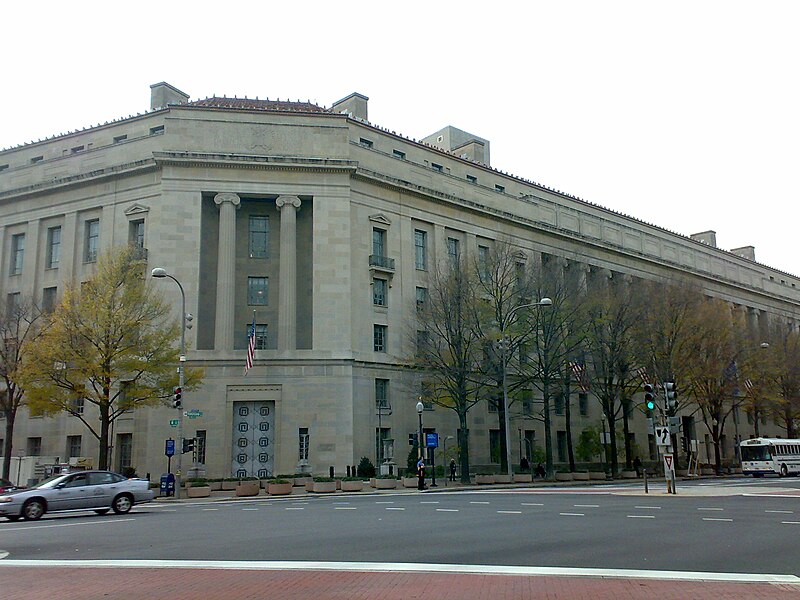
Photo: Bjoertvedt/Wikimedia Commons(CC by 2.0)