


 Australia Defends Social Media Algorithm Law Amid US Concerns
  FCC Approves Foreign Investment in $110B Paramount-Warner Bros. Deal
  North Korea Vows to Expand Nuclear Arsenal Amid U.S.-Led Military Buildup
  Brazil Warns EU of Retaliation Over Animal Products Ban
  U.S. Issues Cuba Health Alert as Illnesses Rise
  Synthetic data could ease people’s concerns about privacy breaches. But who gets to create it?
  Trump Says US Army Base in Poland Talks Make Progress
  Paris Talks Focus on Lebanon Army Needs as UNIFIL Exit Looms
  Trump Bans CNN, MS NOW and Politico From White House
  Who should own the knowledge that underpins AI technology?
  FDA Names Permanent Drug and Biologics Center Chiefs
  Appeals Court Rejects Trump Third-Country Deportation Policy
  ICE Agent Arrested in Minneapolis Over Venezuelan Man Shooting
  Pentagon Restarts Testosterone Testing for US Troops
  Mexico Pushes for US Trade Deal Before Midterms
  US Bans Canadian Alcohol, Motorcycles as Trade War Escalates


 Add as a preferred source on Google
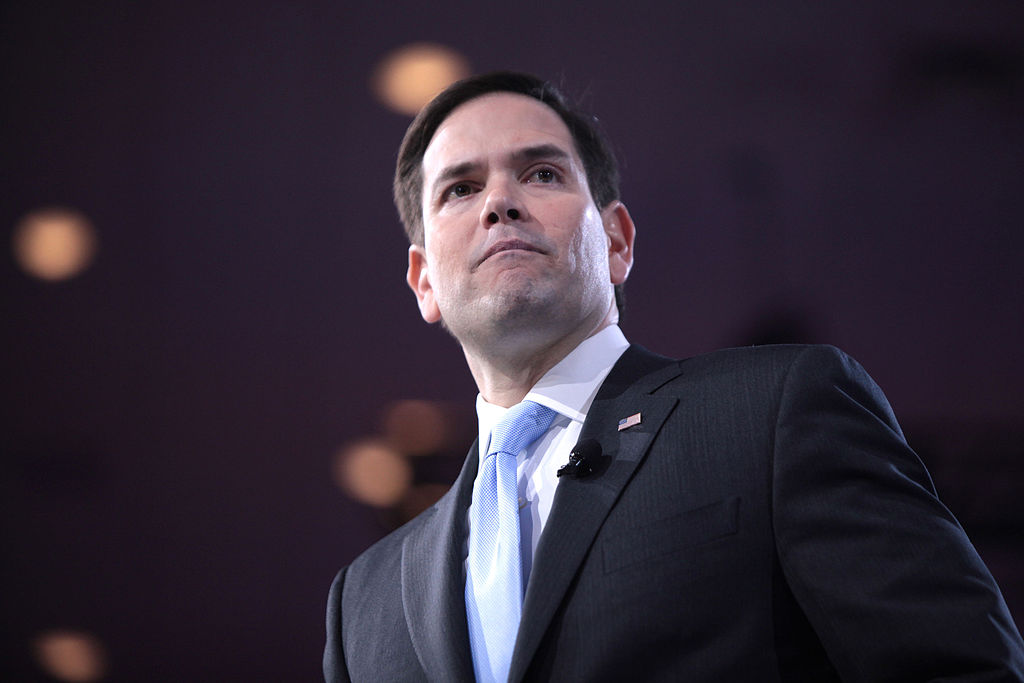
The United States has imposed sanctions on four Cuban judicial officials for their involvement in the 2020 detention of political dissident Luis Robles. U.S. Secretary of State Marco Rubio announced on Wednesday that judges Gladys Maria Padrón Canals, Maria Elena Fornari Conde, Juan Sosa Orama, and prosecutor Yanaisa Matos Legrá will be barred from entering the U.S. due to what Washington described as a "gross violation of human rights."
Robles was arrested in Havana in December 2020 for peacefully protesting with a sign reading "Liberty" and "No more Repression." He was charged with "disobedience" and "enemy propaganda"—charges rights groups have long criticized as tools for suppressing dissent.
Rubio called the detention "arbitrary" and said these officials were complicit in enforcing politically motivated prosecutions. "Judges and prosecutors who serve the regime—not justice—enable these sham legal processes," Rubio said. The U.S. move aligns with efforts to hold foreign actors accountable for repressing freedom of expression and peaceful protest.
Despite constitutional rights to protest under Cuba’s 2019 charter, a delayed law defining these rights has left activists legally vulnerable. The Cuban government has yet to comment but has previously accused the U.S. of encouraging unrest on the island.
Robles was released in January 2025 as part of a deal brokered by the Vatican, making him one of over 500 political prisoners freed under a diplomatic agreement with the Biden administration.
This latest round of U.S. sanctions underscores continued tensions between Washington and Havana, particularly over human rights and political freedoms. The Biden administration maintains that defending human rights in Cuba remains a priority, as international pressure builds for reform and accountability.







