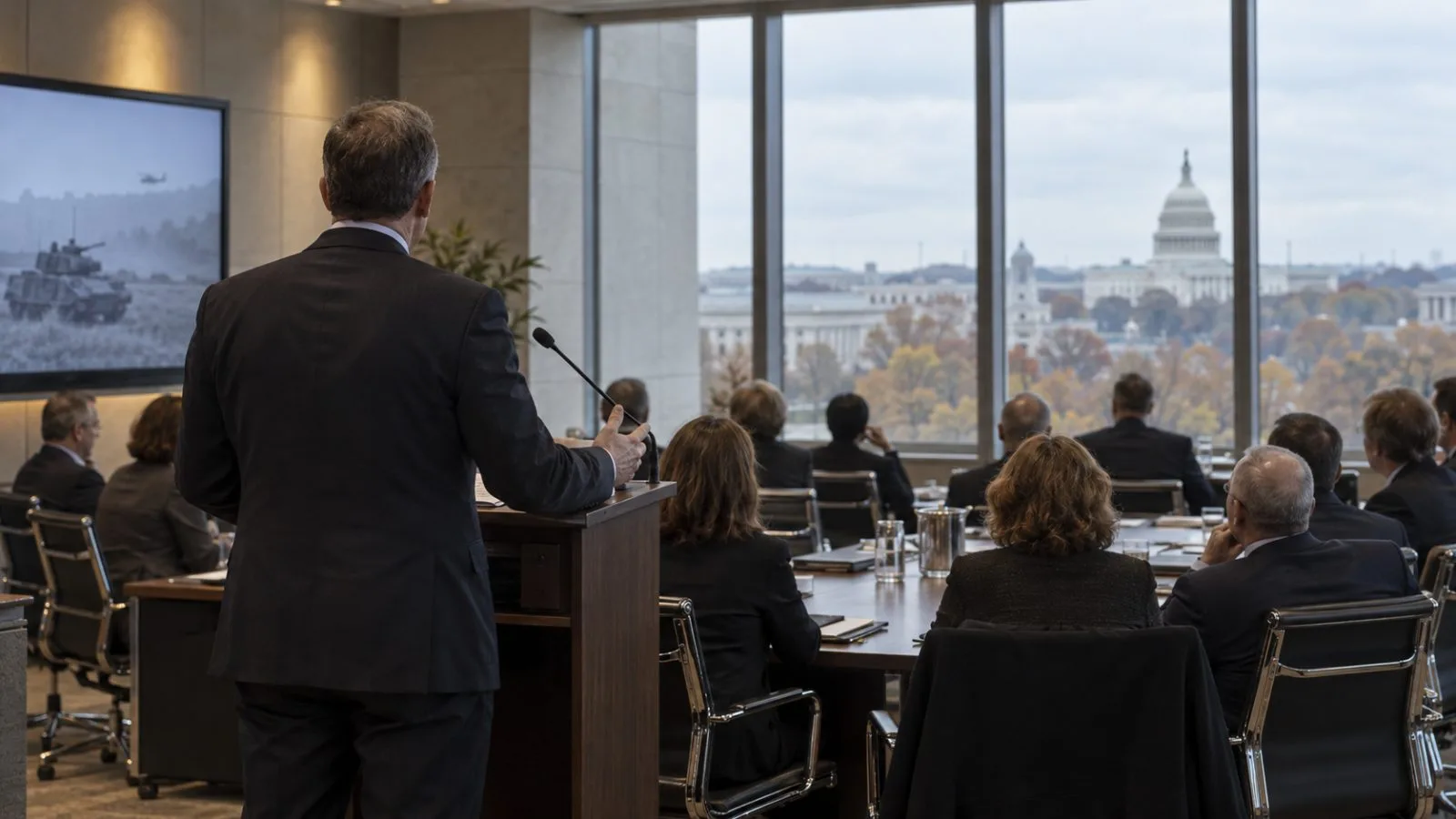
The U.S. Department of Agriculture (USDA) has disbanded two advisory committees on food safety, raising concerns about oversight as the Trump administration moves to cut costs and reduce bureaucracy. The eliminated panels, the National Advisory Committee on Microbiological Criteria for Foods and the National Advisory Committee on Meat and Poultry Inspection, provided scientific guidance on food safety policies.
The USDA stated that the decision aligns with an executive order aimed at streamlining government operations. However, consumer advocacy groups, including Consumer Reports, criticized the move, warning that eliminating these expert panels could weaken food safety regulations. "The termination of these two important advisory committees is very alarming," said Brian Ronholm, director of food policy at Consumer Reports.
Members of the microbiological committee were notified of its termination on March 6 via email. According to Randy Worobo, a Cornell University food science professor who served on the panel, members were unpaid and offered independent scientific recommendations to regulatory agencies. The committees had an annual combined budget of $300,000, covering staff support and travel reimbursement.
Industry representatives, including members from Cargill, Smithfield Foods, and OSI Group, had participated in these panels. The Meat Institute, an industry group for meat processors, expressed disappointment but reaffirmed its commitment to food safety. Nonprofit organization Stop Foodborne Illness, which was part of the meat and poultry committee, stated it had not been informed of the decision.
Sandra Eskin, the group’s CEO and a former USDA official, questioned the future effectiveness of food safety policies without the committees' expertise. Critics argue that removing these panels undermines the USDA’s ability to ensure a safe food supply, leaving public health at greater risk.