


 US Condemns China Sanctions on Taiwan Allies Belize and Paraguay
  US Authorities Raid Ilhan Omar’s Home Amid Immigration Fraud Probe
  Kim Jong Un Showcases ICBM Ahead of Possible Trump Meeting
  India Voter List Protests Reach Supreme Court as Opposition Demands Election Chief's Resignation
  Trump Defends Russian Diesel Deal Amid US Sanctions Backlash
  North Korea Fires Ballistic Missiles Amid Rising Tensions With South Korea
  Greenland Lawmakers Back Trump Security Deal Despite Economic Concerns
  Djibouti Migrant Boat Capsizes, Killing 139 and Leaving 84 Missing
  Trump Warns Houthis Over Attacks, Considers Erdogan Intervention
  European Auto Stocks Rise as EU-China Trade Deal Targets Hybrid Imports
  Trump Sanctions International Criminal Court, Sparking EU Backlash
  Most Americans Oppose Election Betting on Prediction Markets, Poll Finds
  Jordan Bardella Antisemitism Allegations Threaten Le Pen’s Campaign
  US Supreme Court Denies Release of Anti-ICE Activist Kyle Wagner
  Trump Plans White House Shake-Up of Key AI Safety Agency
  US Recalls Nicaragua Envoy After Ambassador Rejection


 Add as a preferred source on Google
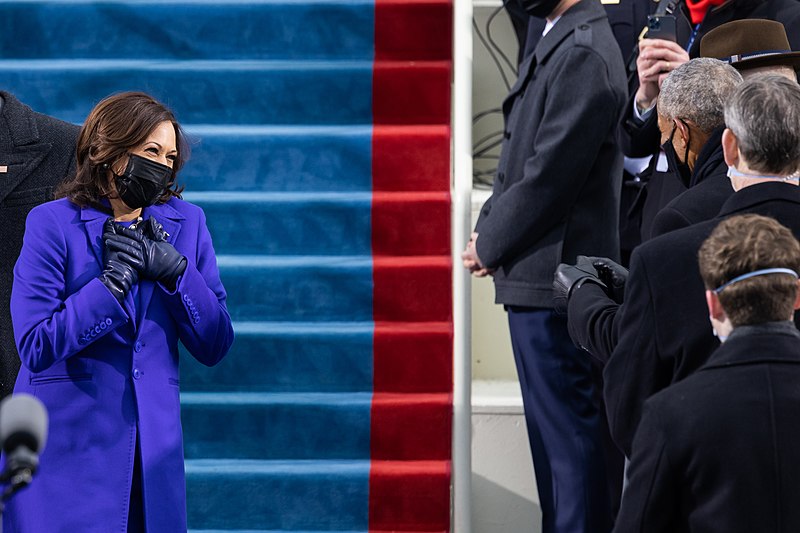
US Vice President Kamala Harris visited San Francisco this week, where she addressed the continuing issue of maternal health, especially among Black women. Harris called attention to the issue in her remarks at the University of California San Francisco.
Harris raised awareness of maternal health during her visit Thursday, calling the issue a “national crisis.” Harris cited that the United States has the worst maternal mortality rate among developed countries and that the issue disproportionately affects Black women.
“I do believe that our nation is facing a crisis on the issue of maternal health – it’s real,” said Harris in her remarks. “We know for certain women, the risk is much higher.”
“A big factor which contributes to these outcomes is systemic inequities,” Harris explained. “Differences in how people are treated based on who they are…disparities that are often a matter of life and death.”
Black women are over three times more likely to die from pregnancy-related complications compared to white women, while Native women are two times more likely. The CDC said that most pregnancy-related deaths are fully-preventable and could happen up to a year after the person gives birth.
The vice president is a known advocate for Black maternal health and has moved to address the issue during her time as a senator and when she made her presidential bid. Harris introduced the Black Maternal Health Momnibus Act when she was a senator representing California. The legislation sought to address preventable deaths and racial disparities in pregnancy and birthing care.
The issue gained more traction when tennis star Serena Williams and singer Beyonce opened up about the complications they suffered from childbirth.
In other related news, Harris was among the new slate of US officials and individuals that were sanctioned by Russia in retaliation for the sanctions placed on Russia by the West. The Russian foreign ministry said that the move to sanction Harris and other officials and individuals was Moscow’s response to the expanding sanctions the West and many other countries have placed on Russia.
Aside from Harris, her husband, second gentleman Doug Emhoff, White House Chief of Staff Ron Klain, Deputy Pentagon Chief Kathleen Holland Hicks, Pentagon spokesperson John Kirby, and State Department spokesperson Ned Price were sanctioned.







