


 US Officials Meet Houthis in Oman Amid Yemen Offensive
  Who should own the knowledge that underpins AI technology?
  DOJ Will Investigate AI-Related Crimes, Attorney General Blanche Says
  Australia Tightens Student Visa Rules, Targets Migration Cut by 2028
  Australia Defends Social Media Algorithm Law Amid US Concerns
  Synthetic data could ease people’s concerns about privacy breaches. But who gets to create it?
  Google Changes EU Spam Policy Amid Antitrust Scrutiny
  US Resumes Immigrant Visa Processing for Hungary, Poland
  FDA Weighs Safety Standards for Psychedelic Therapies
  U.S. Issues Cuba Health Alert as Illnesses Rise
  FCC Approves Foreign Investment in $110B Paramount-Warner Bros. Deal
  Trump Grants Clemency to Jay-Z Associate Emory Jones
  Pentagon Restarts Testosterone Testing for US Troops
  Najib Razak Granted House Arrest Until 2028
  Trump Eyes End to Iran War, Plans Gulf Leaders Meeting
  Appeals Court Rejects Trump Third-Country Deportation Policy
  FBI, Coast Guard Board Ships After Cyberattacks


 Add as a preferred source on Google
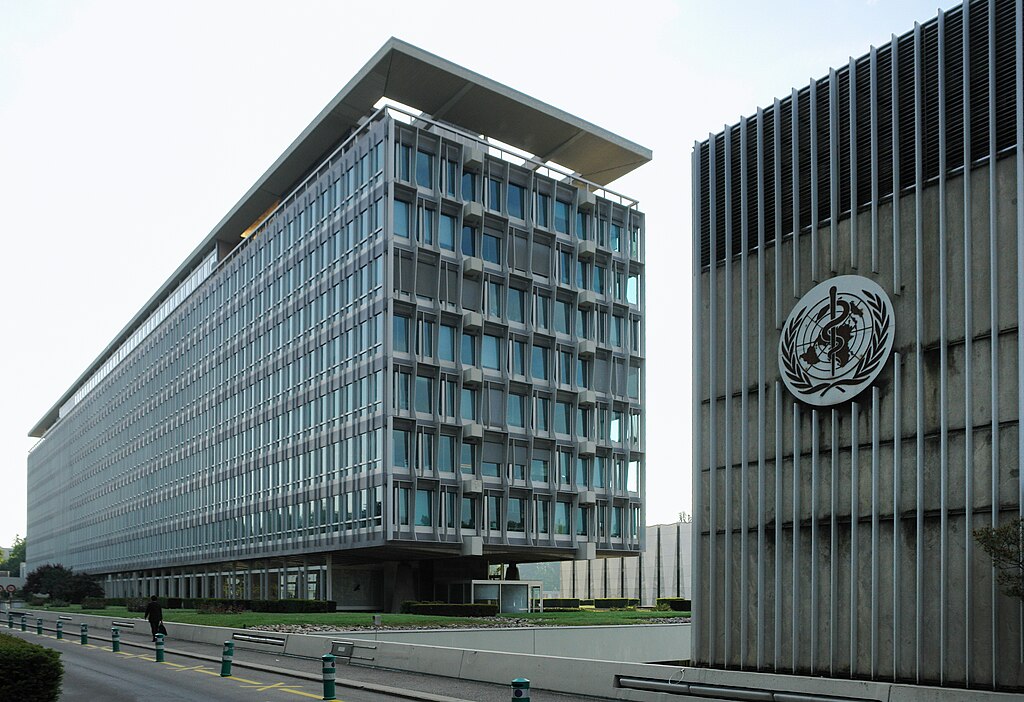
The World Health Organization (WHO) has taken a major step toward strengthening global health security by approving a groundbreaking treaty aimed at enhancing pandemic preparedness. At the World Health Assembly on Monday, 124 member states voted in favor of the accord, with no opposing votes. Eleven countries, including Slovakia, Poland, Israel, Italy, Russia, and Iran, abstained. The vote followed a call by Slovakia, led by a vaccine-skeptic prime minister, to challenge the agreement.
WHO Director-General Tedros Adhanom Ghebreyesus hailed the vote as a global commitment to building a more equitable, healthier, and safer world amid increasing threats from infectious diseases. The draft treaty seeks to correct systemic imbalances in the development and distribution of vaccines, medicines, and health tools—issues highlighted during the COVID-19 pandemic, which claimed millions of lives from 2020 to 2022.
The treaty will be formally adopted in a plenary session in Geneva on Tuesday. However, its implementation hinges on the completion of an annex concerning the sharing of pathogens, a process expected to take up to two years. Following that, countries will need to ratify the agreement domestically.
Despite its broad support, the United States is not bound by the treaty. U.S. representatives withdrew from negotiations after President Donald Trump began a formal process to exit the WHO upon taking office, halting funding from its largest financial contributor.
After three years of complex negotiations, global health experts view the agreement as a win for multilateral cooperation, particularly at a time when international institutions like the WHO face financial and political pressures.
By addressing future pandemic threats and ensuring fair access to health solutions, the treaty marks a historic move in global health governance.







