
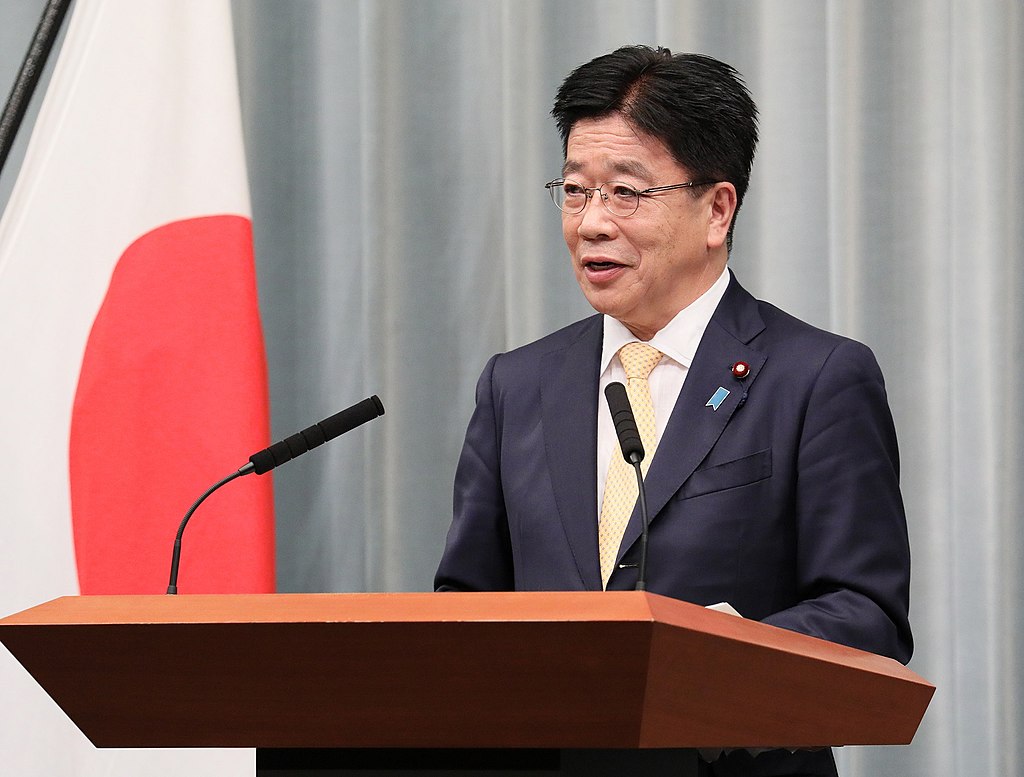
Japanese Finance Minister Katsunobu Kato said Friday that customs authorities have reported zero fentanyl seizures—both imports and exports—over the past six years through 2024. His comments come in response to a Nikkei report alleging that a Chinese criminal network used Japan as a logistics base to smuggle precursor chemicals for fentanyl production into the United States.
Speaking at a regular news briefing, Kato emphasized, “Japan will continue to take all necessary steps to prevent the smuggling of illegal drugs,” reinforcing Tokyo’s stance on narcotics enforcement.
According to Nikkei, the smuggling operation centered around a company registered in Nagoya. The report claims a key figure in the group directed the distribution of fentanyl ingredients and managed financial flows from within Japan until at least July 2024.
The Nikkei investigation raises concerns about Japan potentially being exploited as a transshipment hub by international narcotics traffickers targeting the U.S. market. Fentanyl, a synthetic opioid far more potent than heroin, has been a major contributor to the opioid crisis in the United States, prompting cross-border enforcement efforts and diplomatic pressure on East Asian countries.
While Japan maintains a strict stance on drug trafficking and possession, its role in global fentanyl supply chains has not been widely scrutinized until now. The government’s denial of seizures may reflect strong domestic control or possibly a lack of detection infrastructure for certain chemical precursors.
The allegations could prompt Japanese authorities to reassess monitoring systems and strengthen collaboration with international agencies. With the U.S. intensifying its fight against synthetic opioids, Japan may face growing pressure to ensure its territory is not exploited for illicit drug production or transport.
The finance ministry has yet to confirm or deny any specific investigation related to the reported smuggling operation.


