


 California ICE Detention Center Found to Have Inadequate Medical Care, Court Monitor Says
  Russia Charges Telegram Founder Pavel Durov With Facilitating Terrorism, Seeks International Arrest
  SEC Moves to Dismiss Insider Trading Case Against Trump-Pardoned Terren Peizer
  Brazil Rejects Visas for Trump Officials Ahead of Presidential Election
  FAA Proposes Inspections for Boeing 737 MAX Passenger Seats Over Installation Concern
  US Expands Social Media Vetting to Foreign Journalists Seeking Visas
  X Challenges Australia’s Expanded Social Media Ban Enforcement Powers
  US Supreme Court Lets $655.5 Million Judgment Against Palestinian Authorities Stand During Appeal
  Appeals Court Rejects Trump Bid to Reinstate $100,000 H-1B Visa Fee
  CDC Expands Cyclospora Outbreak Investigation to 15 States as Lettuce Link Grows
  Trump Orders Probe Into Pentagon Munitions Stockpile Leaks After Iran Conflict
  China Vows Retaliation Over U.S. Ban on Chinese Robots, Power Inverters
  US Customs Inspects China-Linked Factories in Vietnam Amid Trade Compliance Review
  US Embassies Urge Americans to Leave Middle East as Iran Tensions Escalate
  DOJ Rescinds Anti-Weaponization Fund Ahead of Todd Blanche Senate Confirmation Vote
  Trump Administration to Ban Chinese Robots, Power Inverters Over AI Security Concerns


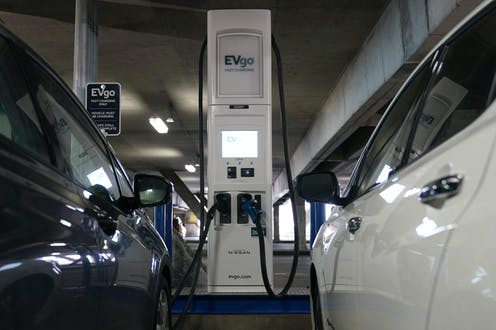
China has introduced new export restrictions on technologies crucial to electric vehicle (EV) battery production, further consolidating its dominance in the global EV supply chain. The Chinese Ministry of Commerce announced on Tuesday that it will now require export licenses for specific technologies used in producing battery cathode materials and in refining or processing nonferrous metals.
The move comes as China, already the world’s leading manufacturer of EV batteries, seeks to strengthen its control over the upstream components vital to electric mobility. By tightening regulations on outbound technologies, Beijing aims to safeguard domestic innovation and preserve its competitive edge amid intensifying global competition for battery materials.
Cathode materials are key to battery performance and cost, and China currently supplies a majority of these materials worldwide. With the new rules, companies outside of China may face delays or disruptions in accessing essential production technologies, potentially complicating supply chains for global automakers and battery manufacturers reliant on Chinese expertise.
The latest restrictions follow a series of regulatory efforts by Beijing to assert more control over critical resources such as lithium, cobalt, and rare earth elements. These measures reflect growing geopolitical and economic tensions over the control of green energy technologies and underscore China’s strategic positioning in the fast-growing EV industry.
Industry experts view the new export licensing regime as a move to strengthen China’s leverage in future negotiations and secure long-term dominance in the EV battery market. The decision may also prompt foreign manufacturers to reassess their supply chains and increase investments in domestic or alternative sources for battery technology and raw materials.







