


 US Resumes Immigrant Visa Processing for Hungary, Poland
  Rodrigo Duterte Makes First Public Appearance at ICC in 18 Months
  ICE Agent Arrested in Minneapolis Over Venezuelan Man Shooting
  FAA Allows Boeing to Sell 35 More 777F Freighters Beyond 2028
  Australia Tightens Student Visa Rules, Targets Migration Cut by 2028
  South Korea’s Lee Rules Out Military Role in Middle East War
  US Delegation Visits Myanmar, Secures Release of American Adam Castillo
  Paris Talks Focus on Lebanon Army Needs as UNIFIL Exit Looms
  SEC Seeks ISS Client Voting Records in Proxy Adviser Probe
  Yemen Fighting Threatens Red Sea Oil Routes
  Vietnam, U.S. Firms Plan 29 Deals Across Energy, Tech and Aviation
  US Officials Meet Houthis in Oman Amid Yemen Offensive
  Kim Yo Jong Warns of Stronger Response to US-Led Military Drills
  U.S. Issues Cuba Health Alert as Illnesses Rise
  Trump Administration Removes Confederate Memorial Criticism From Arlington Website
  Pentagon Restarts Testosterone Testing for US Troops
  Trump Hopes Iran War Nears End as Yemen Fighting Escalates


 Add as a preferred source on Google
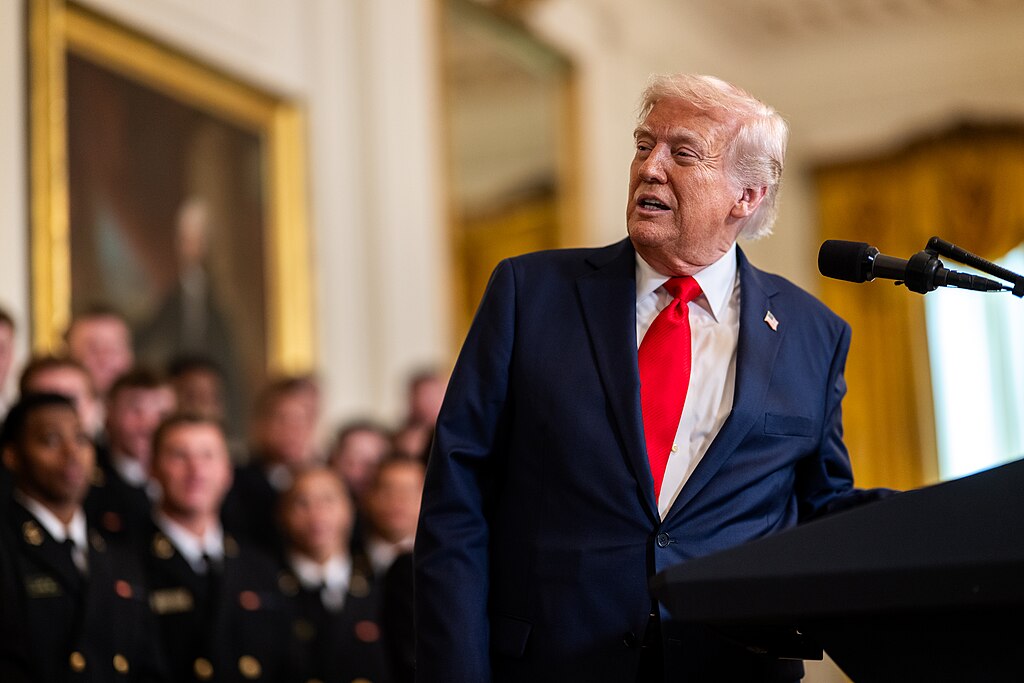
U.S. President Donald Trump announced the creation of a Memphis Safe Task Force, modeled after the recent federal law enforcement surge in Washington, D.C., as part of his broader initiative to combat rising urban violence. The operation will involve multiple federal agencies, including the FBI, Department of Homeland Security, U.S. Marshals, and Immigration and Customs Enforcement, working alongside the National Guard and local police. Trump confirmed that Attorney General Pam Bondi will lead the effort.
“Memphis had the highest violent crime rate, the highest property crime rate, and the third-highest murder rate in the country,” Trump said, justifying the federal intervention. He added that similar deployments will follow in Chicago, St. Louis, and New Orleans as part of a national strategy.
The memorandum establishing the Memphis task force underscores the administration’s framing of violent crime as a national emergency. Trump and Republican leaders are pushing a law-and-order agenda, seeking to position Democrats as weak on public safety. By emphasizing crime reduction as a political priority, they aim to rally voter support around tougher federal enforcement.
However, Trump’s decision has sparked strong criticism from Democratic lawmakers and civil rights groups, who argue the move is political theater rather than an effective crime-fighting strategy. Critics warn that using federal troops in cities undermines local authority and escalates tensions rather than addressing root causes of violence.
Despite backlash, Trump insisted his plan is necessary to restore safety in high-crime cities. “We think Chicago is going to be next, and we’ll get to St. Louis, and New Orleans we want to get into, too,” he said.
With deployments to Memphis and Washington already underway, the administration is betting on a tough stance against violent crime as a defining message heading into upcoming political battles.







